Welcome to our in-depth blog post on the critical role of a High-Performance Manager in AFL. This post explores how these experts drive success by integrating advanced training methodologies, sports science, and strategic planning to optimize team performance. Discover the key responsibilities of a High-Performance Manager, including developing comprehensive training programs, managing player wellness, and utilizing data analytics to make informed decisions. Learn how they collaborate with coaches, medical staff, and athletes to create a cohesive and effective high-performance environment. Whether you’re aspiring to become a High-Performance Manager, a coach looking to understand the role better, or a fan interested in the behind-the-scenes efforts that contribute to on-field success, this post provides valuable insights into the strategies and practices that define high performance in AFL.
The importance of personal development & communication skills in the workplace
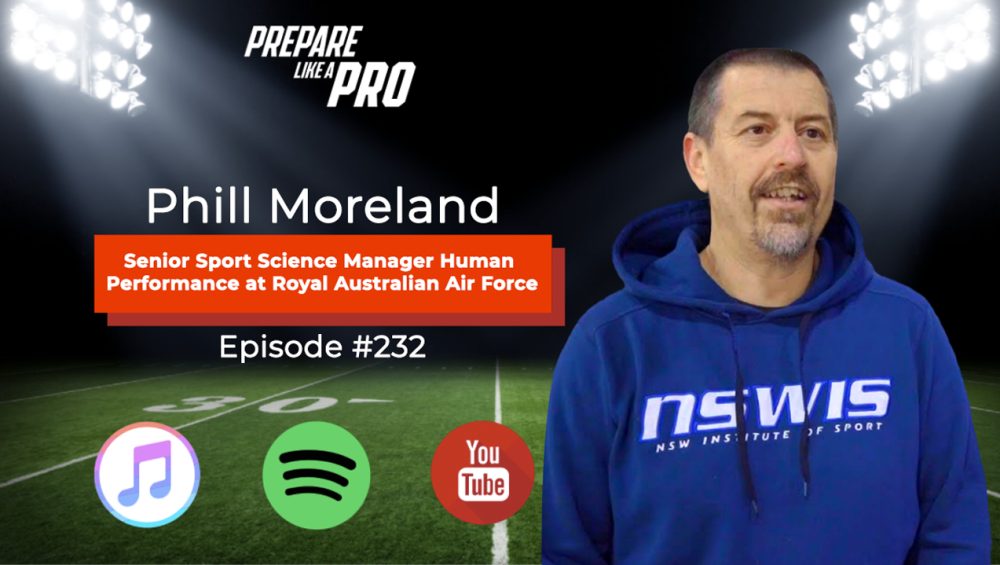
As the RAAF Sport Science Manager, getting fired was a tough but transformative experience. It made me realize the significance of self-reflection, self-improvement, and personal development in both my professional and personal life.
Highlights from the episode:
His advice for people who don’t upskill themselves and stay in their comfort zone
Performance facilities and tech they use in defense
What their periodized annual plan looks like
How they do rehab in defense
Fit For Life philosophy and injury mitigation
Seeking organizations that value continuous growth led me to the RAAF, renowned for its commitment to human performance through sport science programs. Aspired to become the RAAF Sport Science Manager due to this commitment.
RAAF’s sport science programs aim to enhance physical and mental performance. They offer tailored training plans, assessments, and access to top-notch facilities and technology.
Their Human Performance and Safety, Human Performance Optimization programs offer services like strength and conditioning, injury prevention, and nutrition advice. They utilize performance tech like motion capture and force plates to analyze movements and measure physical performance.
RAAF is exploring agile periodization in annual planning to accommodate training around occupational tasks.
Rehabilitation support is available through Joint Health Command. Understanding the occupation is crucial for a smooth return to work after injuries from training or tasks.
RAAF’s “Fit for Life” philosophy focuses on holistic preparation for life beyond defense, considering physical, and mental well-being & long-term injury prevention. They offer diverse programs and services, including access to performance psychologists, physiotherapists & educational resources.
Effective communication and engagement are equally vital for workplace success. After my firing, I improved my communication skills, actively listening, providing constructive feedback & seeking opportunities to collaborate and learn.
RAAF acknowledges the importance of communication and engagement, offering various programs…
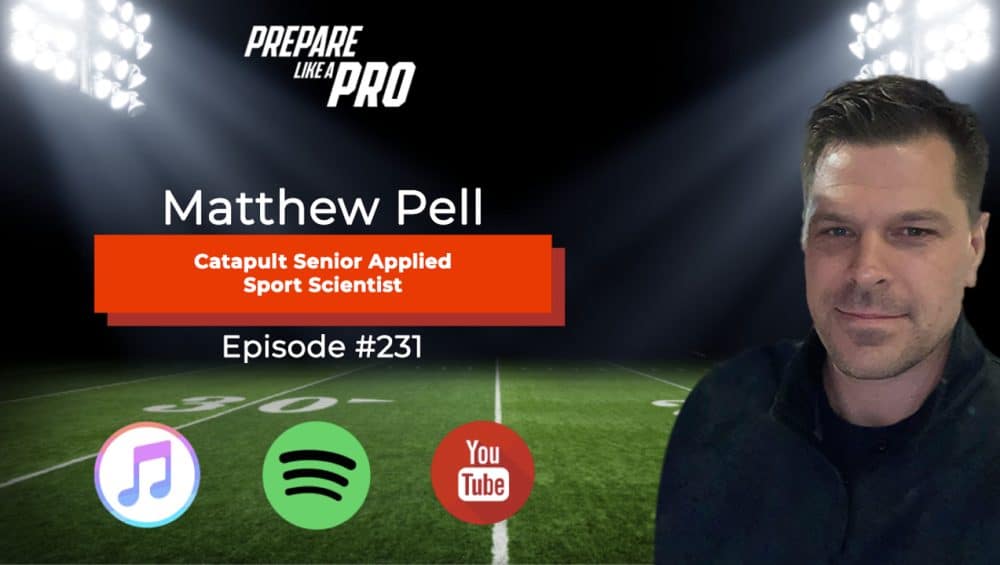
Matthew Pell is a senior applied sport scientist at Catapult, a leading provider of performance technology solutions for sports organizations worldwide. With over a decade of experience in strength and conditioning, sport science, and high-performance coaching, Matt has worked with renowned athletes in Australian Rules Football (AFL), rugby, and basketball. In this blog post, we’ll explore Matt’s career, top tips for strength and conditioning coaches, his use of tactical periodization in AFL, methods to get buy-in from athletes who dislike the gym, favorite acceleration drills, and tips for delivering clear presentations.
Highlights from the episode:
Matt’s top tips for developing strength & conditioning coaches wanting to gain work experience in elite sport
Matt explains the use of tactical periodization in AFL
Successful methods he used to get buy-in for athletes who don’t like the gym
His favorite acceleration drills for athletes
Tips and tricks to deliver a clear message during a presentation
Matt’s Career
Matt started in sport science and strength and conditioning while studying for a Bachelor of Exercise and Sport Science at Deakin University. He later completed his Master’s in High-Performance Sports at the Australian Catholic University, where he worked with top athletes.
After his studies, Matt worked as a strength and conditioning coach, including at the Carlton Football Club in the AFL. In 2011, he joined Catapult, where he currently works as a senior applied sport scientist, optimizing athlete performance using their performance technology solutions.
Top Tips for Developing Strength and Conditioning Coaches
Matt shares his top tips for strength and conditioning coaches looking for work experience in elite sports. Key takeaways include networking, working hard, being open to feedback, and staying updated with the latest research.
Tactical Periodisation in AFL
Tactical periodization is a training method that focuses on developing a team’s tactical abilities through specific drills and exercises. Matt explains how he uses this method in AFL to enhance teams’ on-field performance, breaking down the game into specific phases and using drills to simulate those situations.
Successful Methods for Getting Buy-In from Athletes Who Don’t Like the Gym
Getting buy-in from athletes who dislike the gym can be challenging. Matt shares successful methods, such as understanding athletes’ motivation, making training fun, providing individualized plans, and utilizing technology like GPS tracking devices.
Favorite Acceleration Drills for Athletes
Matt’s favorite acceleration drills include resisted sprint starts, split stance jumps, and standing broad jumps. These exercises can help athletes improve their speed and explosiveness off the mark.
Tips and Tricks to Deliver a Clear Message During a Presentation
As a senior applied sport scientist, Matt often gives presentations to athletes, coaches, and professionals. He recommends knowing your audience, keeping it simple, using visuals, and practicing extensively for effective and clear delivery.
Conclusion
Matt Pell’s expertise in sport science and strength and conditioning, along with his work at Catapult, has made him a valuable resource for optimizing athlete performance. Whether you’re a coach or a presenter, his insights and advice can help you excel in your field.
Key Topic: How to continue to maximize athletic development while managing a condensed schedule.
Introduction
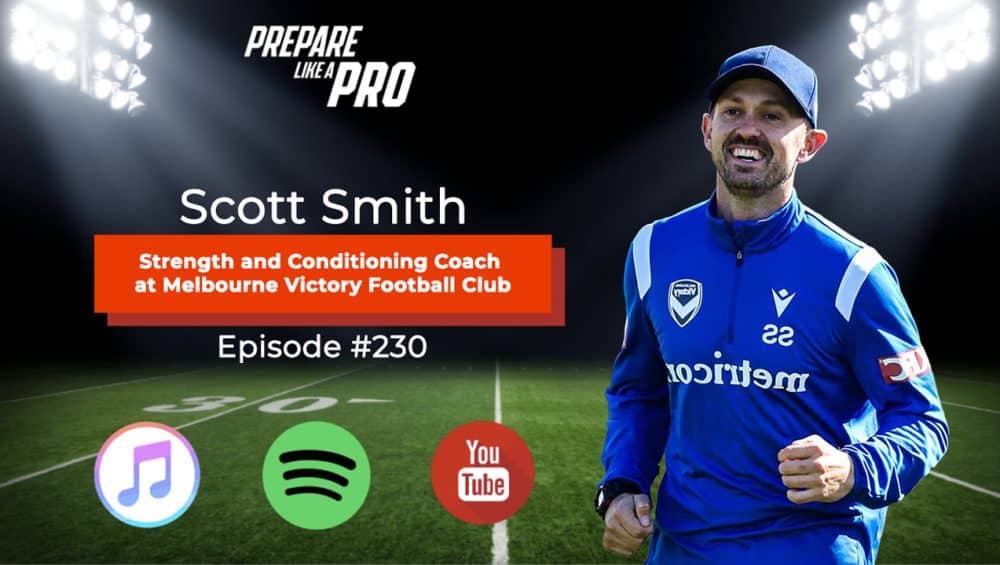
In this podcast episode, we welcome Scott Smith, the renowned strength and conditioning Coach at Melbourne Victory. He shares his expertise on “Maximize Athletic Development Condensed” while managing a tight schedule. With over 15 years of experience, Scott has worked with top athletes, helping them achieve peak performance and fitness goals.
Highlights from the episode:
How to manage in-season fatigue
Tips and advice for coaches managing a group of athletes going through a condensed schedule
Post-game training sessions for those that aren’t playing
Tips for athletes managing fatigue or low motivation in season
Favorite recovery methods for players after a game
People Mentioned:
Justin Crow
Tony Popovic
Adam Waterson
Karl Dodd
Craig Duncan
Benjamin Vasco
Jayden Anderson
Scott Smith’s Background and Role at Melbourne Victory
Scott Smith is a well-known Strength and Conditioning Coach in the world of professional football. Currently at Melbourne Victory FC, one of Australia’s most successful football clubs, his expertise has played a crucial role in the team’s recent success.
Managing In-Season Fatigue
One major challenge during the football season is managing player fatigue due to the busy schedule. Scott emphasizes monitoring players’ workloads with GPS tracking and heart rate monitors. He promotes rest and recovery through nutrition, sleep, and active recovery methods.
Tips for Coaches Managing a Condensed Schedule
Coaches face the challenge of keeping players fresh and motivated. Scott suggests individualized training programs based on players’ unique needs. This includes strength and conditioning exercises, mental training, and communication to support their well-being.
Post-Game Training Sessions for Non-Playing Athletes
To keep non-playing athletes engaged and motivated, Scott advises providing post-game training sessions focused on strength, conditioning, and technical drills.
Tips for Athletes Managing Fatigue or Low Motivation
Even with proper rest, athletes may experience fatigue or low motivation. Scott recommends focusing on goals and staying committed to training and performance. He emphasizes maintaining a positive attitude and connecting with teammates and coaches for support.
Favorite Recovery Methods for Players After a Game
Scott shares some of his favorite recovery methods for players, including foam rolling, massage therapy, cold water immersion, and the significance of proper nutrition and hydration.
Conclusion
Scott Smith’s insights into managing in-season fatigue, coaching during a condensed schedule, and post-game recovery are invaluable for athletes, coaches, and fitness enthusiasts alike. Implementing individualized programs and promoting rest will help athletes excel despite the challenges of a packed schedule.
Strength and Conditioning Tips: Boost Your Performance
Introduction
Are you looking to take your fitness and athletic performance to the next level? Whether you’re a seasoned athlete or just starting on your fitness journey, incorporating effective Strength and Conditioning Tips can make a significant difference in your overall performance. In this article, we’ll explore some essential Strength and Conditioning Tips that can help you achieve your fitness goals and boost your performance on the field, court, or track.
Highlights from the episode:
How he started his passion for strength & conditioning
People who influenced his career and philosophy
How he earned leadership positions in different sports
How does he manage multiple tasks/responsibilities
His favorite life motto
Set Clear Goals
The foundation of any successful training program starts with setting clear and achievable goals. Define what you want to accomplish through strength and conditioning, whether it’s increasing strength, improving endurance, or enhancing agility. Having specific goals in mind will allow you to tailor your workouts and track your progress effectively.
Develop a Structured Plan
Once you’ve established your goals, it’s time to create a structured training plan. A well-designed program should include a balance of strength exercises, cardiovascular training, flexibility work, and rest days for recovery. Seek guidance from a qualified coach or trainer to develop a personalized plan that suits your individual needs and fitness level.
Focus on Proper Form
When performing strength exercises, quality trumps quantity. Proper form is essential to prevent injuries and ensure you’re targeting the right muscle groups effectively. Don’t sacrifice form for heavier weights; instead, start with lighter weights and focus on mastering the correct technique before progressing to more challenging loads.
Gradually Increase Intensity
Progression is key to continued improvement in strength and conditioning. As you become more comfortable with your workouts, gradually increase the intensity of your exercises. This can involve adding more weight, increasing the number of repetitions, or shortening rest periods between sets.
Incorporate Functional Training
Functional training involves movements that mimic real-life activities and sports-specific actions. Integrating functional exercises into your training can enhance your performance and reduce the risk of injury during sports or daily activities.
Include Mobility and Flexibility Work
Flexibility and mobility are crucial components of a well-rounded training program. Incorporate stretching exercises and mobility drills into your routine to improve joint range of motion and reduce muscle tightness. Improved flexibility can also enhance overall athletic performance.
Prioritize Rest and Recovery
Pushing your body to the limit without proper rest can lead to overtraining and burnout. Ensure you schedule adequate rest days in your training plan, allowing your muscles and nervous system to recover and adapt. Adequate sleep, hydration, and nutrition are also vital for optimal recovery.
Cross-Train for Variety
Don’t be afraid to explore various types of physical activities. Cross-training can not only add variety to your workouts but also prevent boredom and reduce the risk of overuse injuries. Consider trying different sports, activities, or workout styles to challenge your body in new ways.
Listen to Your Body
Pay attention to your body’s signals during training. If you experience pain or discomfort, don’t ignore it. Ignoring warning signs could lead to more severe injuries. Instead, consult with a healthcare professional or a qualified trainer to address any concerns and modify your training plan accordingly.
Stay Consistent and Patient
Building strength and improving conditioning takes time and consistency. Don’t get discouraged by slow progress or occasional setbacks. Stay committed to your training plan and trust the process. With consistent effort and patience, you’ll gradually see the results you’ve been working hard for.
Conclusion
Effective strength and conditioning play a vital role in enhancing athletic performance and overall fitness levels. By setting clear goals, developing a structured plan, focusing on proper form, and gradually increasing intensity, you can achieve remarkable improvements in your strength and conditioning. Remember to incorporate functional training, mobility work, and prioritize rest and recovery for optimal results. Embrace variety through cross-training and, most importantly, listen to your body and stay patient on your fitness journey. Take these valuable tips to heart and unleash your full athletic potential!
Whether you’re a seasoned coach or just starting in the world of sports training, understanding performance coaching techniques can make a significant difference in unlocking an athlete’s true potential. By implementing the right strategies, coaches can guide athletes to new heights of achievement and success. In this comprehensive guide, we will explore essential performance coaching techniques that not only improve physical prowess but also cultivate mental strength and resilience.
Introduction
As a performance coach, your primary objective is to bring out the best in your athletes. You strive to optimize their skills, enhance their abilities, and foster a mindset of growth and determination. Performance coaching is not just about pushing athletes beyond their limits; it’s an art that involves a careful blend of science, psychology, and communication. In this blog post, we will delve into four fundamental performance coaching techniques that have proven to be transformative in the sports world. These techniques will equip you with the tools to take your athletes’ performance to new heights and achieve unparalleled success on and off the field.
Highlights from the episode:
Effective Ways to Profiling Athletes
Technical skills for S&C coaches to develop
Tips for improving communication and engagement with athletes
Tools he uses for visualization of movements
His do’s and don’ts for the management of staff
Profiling for Success
One of the cornerstones of effective performance coaching is athlete profiling. By employing tools like the Mars Briggs and strength deployment inventory, coaches gain invaluable insights into an athlete’s personality, strengths, and weaknesses. This profiling process goes beyond just numbers and data; it offers a deep understanding of an athlete’s motivations and preferred learning styles. Armed with this knowledge, coaches can tailor training programs and communication methods to resonate with each athlete individually, fostering a stronger coach-athlete relationship and igniting the athlete’s passion for growth.
Moving Beyond Numbers
Gone are the days when coaching was solely based on numbers and statistics. While objective measurements still hold value, the modern performance coach knows that true improvement lies in understanding an athlete’s movement patterns and biomechanics. Instead of solely relying on data, take the time to observe how athletes execute their movements during training sessions or competitions. Often, quick fixes and adjustments can lead to drastic improvements in performance. As a coach, identifying areas for improvement and addressing them promptly can be the key to unlocking an athlete’s true potential.
Mastering Effective Communication
In any coaching relationship, communication is the lifeblood that drives progress and success. As a performance coach, it is crucial to communicate openly and honestly with your athletes. Rather than dictating instructions, involve athletes in the decision-making process. Encourage them to share their thoughts, fears, and aspirations openly. By creating a psychologically safe environment, athletes will feel more comfortable taking risks and striving for greatness. Effective communication also involves setting clear expectations, outlining training objectives, and providing constructive feedback to foster continuous improvement.
The Power of Visualization
Visualization is a powerful technique that can significantly impact an athlete’s performance. By demonstrating movements and techniques visually, coaches provide athletes with a clear mental image of the desired outcome. Utilize competition context and showcase high performers excelling in their respective disciplines. This not only inspires athletes but also helps them gauge where they stand in relation to their goals. Visualization also aids in building confidence, managing pre-competition nerves, and staying focused during high-pressure situations.
Conclusion
As a performance coach, your role extends far beyond the sidelines. You have the unique opportunity to shape and mold athletes into their best selves both on and off the field. By implementing these four performance coaching techniques – profiling, movement analysis, effective communication, and visualization – you can create a nurturing and empowering environment for athletes to thrive. Remember, coaching is not just about pushing athletes; it’s about guiding them on their journey to excellence. Embrace these techniques, adapt them to your coaching style, and witness the remarkable transformation they bring to your athletes’ lives. The pursuit of greatness begins with you, the performance coach.
Healthy Eating Habits Guide: A Comprehensive Approach
Are you looking to improve your well-being and lifestyle through a well-rounded approach to healthy eating? Look no further! In this comprehensive healthy eating habits guide, we will explore various strategies and tips to help you make sustainable and positive changes in your dietary habits. Embracing healthy eating can have a profound impact on your overall health, energy levels, and even mental clarity. So, let’s dive right in and discover how you can optimize your eating habits for a healthier and happier you!
Highlights from the episode:
His biggest challenges and what he learned
How he upskills himself
What he notes down on athletes during the rehab process
Do you have to lie to change an athlete’s mentality
How often do athletes stick to the rehab plan 100%
His pet peeves in work/life
Why Healthy Eating Matters
Before delving into the nitty-gritty of healthy eating habits, it’s essential to understand why what we eat matters so much. The food we consume fuels our bodies, providing the necessary nutrients, vitamins, and minerals to function optimally. Adopting healthy eating habits not only helps in maintaining a healthy weight but also reduces the risk of chronic illnesses such as heart disease, diabetes, and certain cancers. Moreover, a balanced diet supports mental health, contributing to improved mood and cognitive function.
Key Components of a Healthy Eating Habits Guide
Balanced Nutrition: The foundation of healthy eating lies in consuming a well-balanced diet that includes a variety of food groups. This means incorporating fruits, vegetables, whole grains, lean proteins, and healthy fats into your daily meals. A balanced nutrition plan ensures you get all the essential nutrients your body needs to thrive.
Mindful Eating: In today’s fast-paced world, it’s easy to rush through meals without paying attention to what we are eating. Mindful eating is about slowing down, savoring each bite, and being fully present during mealtime. This practice can help prevent overeating and improve digestion.
Portion Control: Even healthy foods can become problematic if consumed in excessive amounts. Portion control is essential for maintaining a healthy weight and preventing overindulgence. Understanding appropriate serving sizes can be an essential aspect of any healthy eating habits guide.
Hydration: Staying hydrated is often overlooked but plays a vital role in supporting various bodily functions. Drinking an adequate amount of water throughout the day helps regulate body temperature, supports digestion, and aids in nutrient absorption.
Meal Planning: Planning your meals in advance can help you make healthier choices and avoid impulsive, less nutritious options. Meal planning ensures you have well-balanced meals readily available and reduces the likelihood of reaching for unhealthy snacks.
Avoiding Processed Foods: Processed foods are often loaded with unhealthy fats, sugars, and preservatives. Reducing your intake of processed foods and opting for fresh, whole foods can significantly improve your nutritional intake.
Regular Exercise: While not directly related to eating habits, regular exercise complements healthy eating by supporting overall well-being. Physical activity helps in maintaining a healthy weight, improving cardiovascular health, and boosting mood.
Tips for Implementing Healthy Eating Habits
Start Gradually: Making significant changes to your diet overnight can be overwhelming and unsustainable. Instead, begin by incorporating one or two healthier choices into your daily routine and gradually build from there.
Educate Yourself: Stay informed about nutrition and the benefits of healthy eating. Knowledge empowers you to make informed decisions about your dietary choices.
Seek Professional Guidance: If you have specific dietary concerns or health conditions, consider consulting a registered dietitian or nutritionist. They can offer personalized advice tailored to your needs.
Cook at Home: Preparing meals at home allows you to control the ingredients and cooking methods, ensuring a healthier outcome.
Get Creative: Healthy eating doesn’t have to be boring. Experiment with new recipes, flavors, and cooking techniques to keep things exciting.
Build a Support System: Enlist the support of friends or family members who are also interested in adopting healthier eating habits. Sharing the journey with others can be motivating and enjoyable.
Conclusion
Improving your eating habits is a journey that requires dedication and commitment. By following this healthy eating habits guide, you can take significant steps toward a healthier and more balanced lifestyle. Remember, small changes can make a big difference over time. Embrace the power of healthy eating, and you’ll discover a happier and more energized you! So, why wait? Start your journey today!
Game Day Performance Fundamentals: Enhancing Agility and Movement
Introduction
In the fast-paced world of sports, success on game day depends on various factors, including Game Day Performance Fundamentals. One crucial aspect is agility and multi-directional movement. Scott Salwasser, the renowned Director of Athletic Performance, specializes in understanding the importance of underpinning qualities and weightlifting proficiency to optimize game-day performance. Working with team-based athletes, Scott excels in individualizing training needs within a group setting. In this blog post, we explore his insights on agility training, weightlifting, and collaborating with tactical coaches for improved game-day performance.
Highlights from the episode:
Key fundamentals for performing agility actions on the game day
His stance for contact sports doing agility in the weights room and progression to weightlifting
Common challenges and solutions for team-based athletes looking to improve agility
He collaborates with tactical and skill coaches
What’s on the horizon for Scott in 2023
The Importance of Agility and Multi-Directional Movement
Agility is vital for contact sports, enabling athletes to change direction quickly, dodge opponents, and react swiftly to the game’s dynamic nature. Scott Salwasser emphasizes building a strong foundation of underpinning qualities like strength, balance, coordination, and flexibility to enhance agility. Focusing on these fundamentals improves athletes’ efficiency, reduces injury risks, and enhances overall performance.
Scott’s Approach to Weightlifting and Progression
Weightlifting is essential in an athlete’s training regimen, but Scott believes that age is less important than movement proficiency when introducing weightlifting exercises. Objective evaluation of an athlete’s movement patterns and biomechanics is crucial to determine their readiness for weightlifting. Scott tailors individualized weightlifting programs targeting weaknesses and developing proper techniques, ensuring safety and maximizing performance gains.
Catering to Team-Based Athletes
As the Director of Athletic Performance, Scott excels in working with large groups of team-based athletes. Training individuals within a group setting presents challenges, but Scott’s expertise lies in identifying and addressing each athlete’s unique needs. Personalized attention helps athletes thrive on game day by receiving the necessary guidance and training.
Collaborating with Tactical Coaches for Optimal Performance
Scott’s success as an athletic performance director comes from collaborating with tactical coaches. Though not directly involved in drill design, he understands the sport’s demands and goals. Working closely with tactical coaches, Scott tailors training programs that align with the sport’s specific requirements, leading to more effective game-day performance.
Conclusion
Scott Salwasser’s expertise in game day performance, particularly in agility training and weightlifting, benefits team-based athletes. Emphasizing underpinning qualities, evaluating movement proficiency, and collaborating with tactical coaches unlock new levels of agility and movement for athletes. As the Director of Athletic Performance, Scott continues to inspire and empower athletes, leading to enhanced game-day performance and overall success.
High-Performance Game Coaching: Integrating Fun and Success
In the world of sports coaching, staying ahead of the game is crucial to achieving success with athletes. As the landscape of sports coaching evolves, integrating high-performance games into coaching methodologies has become an innovative and effective approach. This blog post will explore the process of seamlessly integrating “High-Performance Game Coaching” into coaching, the importance of gaining buy-in from operational and tactical coaches, understanding existing training methods, and tailoring approaches to different athlete mindsets. Additionally, we’ll delve into the unique aspects of coaching Chinese athletes and the observed differences between coaching young male and female athletes.
Gaining Buy-In: A Crucial Step
Introducing high-performance games into coaching can be a game-changer, but it’s essential to gain buy-in from all the coaches involved in the training process. Operational and tactical coaches play a pivotal role in shaping an athlete’s performance and development. Their endorsement and support are key to successfully implementing any changes in the coaching approach. When stepping into a new coaching environment, building rapport with fellow coaches and demonstrating the potential benefits of high-performance games should be the first step.
Understanding Existing Training Methods
Coaching styles and training methods can differ significantly across teams and regions. Before introducing any major changes, coaches are advised to take the time to observe and understand the existing training methods. Recognizing what works well and identifying areas for improvement allows for a smoother integration of high-performance games without causing unnecessary disruptions. The goal is to make incremental adjustments that enhance the overall coaching experience and performance outcomes.
Chinese Athletes: Embracing Fun in Training
Chinese athletes have achieved great success on the international stage, and their achievements are a testament to their dedication and hard work. However, many coaches have observed a somewhat sheltered and childlike mindset among Chinese athletes. This unique mindset makes them particularly receptive to fun and engaging training approaches. By linking high-performance games to specific training objectives, coaches can earn the trust and respect of Chinese athletes, leading to improved performance and a more enjoyable training environment.
Earning the Right to Have Fun
While fun and engaging activities can enhance motivation and team dynamics, coaches must earn the right to introduce them into the training regimen. Integrating high-performance games solely for entertainment purposes might not yield the desired results. Instead, coaches should establish clear links between these games and the training objectives they aim to achieve. When athletes understand the purpose behind these activities and see how they contribute to their growth, they are more likely to embrace them wholeheartedly.
Gender Differences in Coaching
Coaching young athletes requires an understanding of the differences between genders. Boys and girls may exhibit distinct behaviors and respond differently to various coaching approaches. For instance, young boys tend to be more aggressive and competitive from an early age, while girls may display different communication and interaction styles. Acknowledging these differences can help coaches tailor their methods to effectively connect with and inspire young athletes, regardless of their gender.
Conclusion
Integrating high-performance games into coaching can be a transformative approach to enhancing athlete development and success. To effectively implement this method, coaches must gain buy-in from their colleagues, understand the existing training methods, and earn the trust of their athletes by linking fun activities to specific training objectives. Chinese athletes, with their receptive mindset, can greatly benefit from this approach. Additionally, recognizing gender differences in coaching allows for personalized and impactful interactions with young male and female athletes. By adopting these insights, coaches can create a training environment that fosters growth, enjoyment, and outstanding performance.
Highlights from the episode:
How coaches in new environments can increase athletes’ enjoyment of their sessions without compromising on the training
How he gets buy-in of fun in athletes
Common mistakes coaches can make when looking to incorporate games/fun activities in their warm-up
Where does he get his ideas for games
Differences between male/female, developing or maturing athletes
Effective Athlete Development Ways: Key Strategies for Success
Aspiring athletes dream of reaching their peak performance and achieving greatness in their chosen sports. The journey from a promising talent to a successful athlete requires dedication, hard work, and the right guidance. In this article, we will explore effective athlete development ways that can unlock the full potential of young athletes and set them on the path to success.
1. Emphasize Unified Vision and Communication
One of the most critical factors in athlete development is a unified vision and effective communication throughout the club or team. Coaches, assistant coaches, strength and conditioning specialists, medical staff, and other stakeholders must share the same ideas and vision for the club’s future. This cohesion ensures that everyone works towards the same goals and supports the athletes in their journey.
2. Strength Training for Older Youth Athletes
For older youth athletes who have gone through puberty and developed muscle mass, strength training plays a vital role in their physical development. Implementing well-structured and consistent strength sessions can improve their overall athletic performance, injury resilience, and competitive edge.
3. Football-Specific Training in Soccer
In soccer, athletes and coaches can benefit from incorporating football-specific drills and technical aspects into their strength and conditioning programs. By blending skill-focused training with physical development, athletes can improve their performance on the field and elevate their game to the next level.
4. The Potential of Under-23 Leagues in Australian Rules Football
Australian Rules Football (AFL) has a rich tradition of player development through various pathways. Exploring the potential of under-23 leagues can provide young players with more opportunities to compete at a higher level, further honing their skills and gaining valuable experience against seasoned athletes.
5. Avoiding Mistakes in Academy Programs
In the pursuit of excellence, it’s essential to avoid common mistakes in academy programs. Young athletes, especially those who seem physically mature, need to follow well-structured training plans to prevent overuse injuries and other medical issues. Consistency in training should be prioritized to ensure their long-term development.
Conclusion
Effective athlete development requires a collective effort from all involved in a sports club or team. By fostering a unified vision, emphasizing strength training for older youth athletes, blending football-specific training in soccer, exploring under-23 leagues in Australian Rules Football, and avoiding common academy program mistakes, we unlock athletes’ full potential. These strategies lead to continuous growth, peak performance, and goal achievement. Success isn’t just about winning games but nurturing talent, passion, and dedication, shaping exceptional players and individuals. Coaches, SNC specialists, and sports club members all play a crucial role in this process, contributing to the champions of tomorrow.
Highlights from the episode:
What he learned from successful clubs from different leagues
His key focuses or big rocks for his daily and weekly training sessions
Advice for new coaches to get buy-in from athletes
Benefits of under-23 Australian rules footballer
Common programming mistakes S&C coaches make and how to prevent them
Nurturing Champions: Insights from Advanced Sports Dietitian Emily Meehan
Introduction
In the world of elite sports, the journey to excellence is paved with dedication, perseverance, and the guidance of experts who understand the intricate relationship between nutrition and performance. Elite Sports Nutrition Strategies play a pivotal role in this pursuit. Emily Meehan, an Advanced Sports Dietitian at the Victorian Institute of Sport and a master of Elite Sports Nutrition Strategies stands as a beacon of knowledge and experience in this field. With a career shaped by resilience and an unrelenting passion for her craft, Emily’s journey, enriched by Elite Sports Nutrition Strategies offers valuable lessons for aspiring dietitians looking to make their mark in the world of sports nutrition.
Highlights from the episode:
Emily’s advice to her past self when she was starting as a dietician
Her advice to newly hired dieticians on how to educate a club or team
Her strategies when working with elite athletes
Emily’s approach to developing athletes who want to bulk up
Ideal snacks for athletes who are on the go
How she helps in improving an athlete’s nutrition
The Path to Success: Resilience and Reflection
Emily Meehan’s career journey is a testament to the power of resilience. From the early stages of her career, she faced challenges that tested her resolve and determination. Through perseverance and a hunger for continuous learning, she navigated the ups and downs, emerging as a respected figure in the sports nutrition community.
In her reflections on her journey, Emily emphasizes the importance of resilience. She encourages aspiring dietitians to view setbacks as stepping stones rather than roadblocks. These challenges, she believes, are opportunities to learn, adapt, and grow. As the sports landscape evolves, being able to adapt and stay current is essential for success in this dynamic field.
Gaining a Foot in the Door: Advice for Aspiring Dietitians
For those aspiring to follow in Emily’s footsteps, her advice is both practical and invaluable. She advocates for volunteering and gaining experience in sports settings as a means of establishing a presence in the industry. This hands-on approach not only provides insight into the unique nutritional needs of athletes but also enables aspiring dietitians to build a network of contacts within the sports world.
Collaboration and Tailoring Nutrition Plans
In the world of sports nutrition, collaboration is key. Emily emphasizes the importance of working closely with medical teams, coaches, and athletes themselves to develop comprehensive nutrition plans. Recognizing that each athlete is a unique individual, she stresses the significance of tailoring these plans to suit individual needs and goals.
Emily’s approach involves delving into an athlete’s background, dietary preferences, and performance objectives. By taking a holistic view, she crafts nutrition plans that encompass not only performance enhancement but also overall well-being. Her strategies reflect a deep understanding that nutrition is not just about what an athlete eats but also about how their body functions and responds to training.
Nurturing the Next Generation: Educating Young Athletes
In the fast-paced world of elite sports, time is often a precious commodity. Emily highlights the importance of dedicating time to educate younger athletes about nutrition and cooking. While elite athletes may have packed schedules, the foundation for sustainable success begins with cultivating healthy habits early on.
By investing time in educating young athletes, Emily believes that dietitians can instill a strong nutritional foundation that will serve them well throughout their careers. Knowledge about proper nutrition and cooking skills empowers young athletes to make informed choices and take control of their performance journey.
Muscle Gain: Strategies and Insights
Helping athletes gain muscle requires a comprehensive approach that takes into account their unique physiology and training regimen. Emily suggests starting the process by assessing an athlete’s current habits, intake, and expenditure. Understanding these factors forms the basis for a targeted plan that supports muscle growth.
One of Emily’s key strategies revolves around optimizing protein distribution. Adequate protein intake, spread evenly throughout the day, helps support muscle repair and growth. Furthermore, offering practical snack options that are protein-rich can aid athletes in meeting their nutritional goals, even in the midst of their busy schedules.
Conclusion
Emily Meehan’s career reflects a dedication to sports nutrition, offering insights for aspiring dietitians. From volunteering to tailoring nutrition plans, her wisdom guides success. Adaptability and empathy are key as sports evolve. As athletes push limits, dietitians like Emily play a vital role in optimizing performance through nutrition. The concept of “Elite Sports Nutrition Strategies” underscores personalized approaches. Emily’s expertise in this area reveals the intricate link between nutrition and performance. Her role as an Advanced Sports Dietitian emphasizes specialization and growth. In essence, Emily’s journey showcases the athlete-dietitian relationship, where excellence demands dedication, passion, and informed strategies.