High-Performance EnvironmentCategoriesHigh Performance Podcast Strength & Conditioning Coaches Tips

#254 – Creating a Culture of Excellence Strategies for High-Performance

Key topic:  Creating a Culture of Excellence Strategies for High-Performance

Simon Thomas, armed with years of experience and a relentless pursuit of greatness, uncovers the key strategies and principles that underpin high-performance environments. 

From fostering a winning mindset to implementing effective training techniques, Simon leaves no stone unturned in his quest to help you unlock your true potential.

Highlights from the episode:

  • Elements to create a high-performance environment and a culture of excellence
  • Effective Communication that drives high-performance
  • Importance of leadership in maintaining a high-performance environment
  • Strategies for managing setbacks, overcoming obstacles, and bouncing back stronger in the face of adversity
  • Practical tips to build awareness and foster personal growth

Building a Winning Culture: Key Insights from Simon Thomas, Head of High-Performance at Western Force

Introduction

Simon Thomas, the Head of High-Performance at Western Force, shares valuable insights on how to cultivate a winning culture in different contexts. In this blog post, we will explore his thoughts on defining excellence for each group, the significance of effective communication, the diverse forms of leadership, and the importance of building resilience and optimism to achieve success.

Defining Excellence: A Tailored Approach

Simon Thomas emphasizes the importance of customizing the concept of excellence based on the specific group, considering factors like history, resources, and cohesion. By setting realistic and attainable goals, teams can foster motivation and create a culture of achievement that suits their unique circumstances.

Effective Communication: The Key to Unity

In any high-performance setting, communication is the glue that holds the team together. Simon Thomas underscores the significance of effective communication among staff members, players, and coaches. One common pitfall is overwhelming players with an abundance of information. To address this, Thomas advocates for clear and concise messaging, ensuring alignment within the organization. By streamlining communication channels, teams can eliminate confusion and ensure that every individual is on the same page, working towards the same objectives.

Leadership: Beyond Experience

Leadership is the backbone of any successful high-performance environment. Simon Thomas challenges the conventional notion that leadership is solely based on experience or seniority. Some individuals excel at leading by example, inspiring others through their actions and work ethic. Others possess exceptional narrative skills, captivating their peers with their vision and storytelling abilities. Embracing various leadership styles allows teams to tap into the strengths of different individuals and foster a collaborative and dynamic culture.

Building Resilience: Embracing Setbacks

Resilience is a vital quality for navigating the ups and downs of any high-performance journey. Simon Thomas highlights the inevitability of setbacks and challenges and the importance of learning from these experiences. To cultivate resilience, teams can invest in mindset coaching and optimism-focused courses. These resources equip individuals with the tools to remain focused, positive, and solution-oriented even in the face of adversity.

Conclusion

Creating a high-performance environment is a continuous and multifaceted process. Simon Thomas, the Head of High-Performance at Western Force, offers valuable insights into cultivating success in different contexts. By defining excellence tailored to each group’s circumstances, emphasizing effective communication, embracing diverse forms of leadership, and building resilience through optimism, teams can foster a winning culture that drives them toward greatness.

Incorporating these key principles into their approach, teams can set themselves apart in their respective domains and achieve sustained success. Let us take inspiration from these insights and embark on a journey of growth and excellence.

Listen: iTunes | Spotify

High Performance Athlete TrainingCategoriesHigh Performance Podcast Strength & Conditioning Coaches Tips

#252 – Strategies for High-Performance AFL Athletes

Key topic: Building Champions: Strategies for High-Performance AFL Athletes

In this episode, we explore high-performance AFL athletes with Daniel Zaknich, Senior Physical Performance Coach at GWS Giants. Discover the science behind AFL excellence, mental resilience, and the strategies that create successful players. Join us for an exciting look into the world of high-performance athlete training.

Highlights from the episode:

  • Big rocks when preparing athletes to perform at a high level
  • Practical tips on strength training and recovery for young athletes
  • Deficiencies he notices in NAB athletes that prevent them from transitioning to AFL athletes
  • Future trends in intervention in AFL performance
  • How he gets coaches on board when he’s starting on a new club

People mentioned:

  • Jason Weber
  • Matthew Inness
  • Andrew Horabin
  • Robin Thorpe

High-Performance Athlete Training: Key Strategies for Success

Aspiring athletes dream of reaching the pinnacle of success in their respective sports. Whether it’s on the field, court, or track, the journey to becoming a high-performance athlete requires dedication, hard work, and the right training strategies. In this comprehensive guide, we will explore the essential elements that contribute to achieving peak performance in sports. From routine optimization to effective recovery techniques, every step counts in the pursuit of excellence.

1. The Importance of Team Alignment

At the core of any successful high-performance training program lies a cohesive and aligned team. Teamwork isn’t just essential on the field; it’s equally critical behind the scenes. Coaches, physical performance experts, and support staff must work together with a shared philosophy to ensure athletes receive the best training possible. The key phrase, “high-performance athlete training,” emphasizes the centrality of this concept, where collaboration among team members enhances an athlete’s potential.

2. Prioritizing Routine Elements

One of the most overlooked aspects of high-performance athlete training is establishing and prioritizing routines. For young athletes just starting, routine elements like sleep cycles, nutrition, and weight management play a crucial role in their overall development. These building blocks set the foundation for more intense training later on and can significantly impact an athlete’s performance trajectory.

3. Moving Beyond Specificity

While honing specific skills is essential in sports, young athletes must also focus on developing movement variability. Overemphasizing specificity at an early stage can limit an athlete’s ability to adapt and grow. Encouraging diverse movements and exercises can foster better athleticism and prepare athletes for a more well-rounded performance on the field.

4. Future Trends in High Performance

The world of high-performance athlete training is ever-evolving, and staying ahead of the curve is vital for success. As technology and sports science progress, athletes and coaches can expect advances in recovery modalities and training interventions. Understanding the effectiveness of these new approaches and measuring their impact will be crucial in optimizing athlete performance.

5. Fostering Coach-Athlete Relationships

For a training program to reach its full potential, fostering strong coach-athlete relationships is paramount. Coaches need to engage in open and honest conversations with their athletes, seeking their input and feedback on training methods. Involving coaches in specific training scenarios and exercises can create a sense of ownership and alignment with the overall training strategy.

Conclusion

Becoming a high-performance athlete is a journey that requires dedication, discipline, and a comprehensive training approach. From building a cohesive team with a shared philosophy to prioritizing routines and embracing movement variability, every aspect plays a crucial role in unlocking an athlete’s true potential. As the landscape of high-performance athlete training continues to evolve, staying informed about future trends and optimizing coach-athlete relationships will be essential for achieving success on and off the field. So, aspiring athletes, embrace these key strategies, and set yourself on the path to becoming a high-performance athlete.

Listen: iTunes | Spotify

Benefits of Mindful MeditationCategoriesHigh Performance Podcast Strength & Conditioning Coaches Tips

#250 – Jacob Jennings, Head of Sport Science at Brisbane Broncos

In this episode of “Prepare like a Pro,” we have the privilege of hosting John Kiely, an outstanding performance and innovation expert in PE and Sports Sciences. Join us as we delve into the secrets of unlocking athletic excellence to maximize on-field performance. John shares his deep insights and expertise gained through years of research, teaching, and practical application. Whether you’re an athlete, coach, or sports enthusiast, this episode will provide you with valuable strategies and principles to elevate your performance and achieve your full potential. Additionally, we explore the Benefits of Mindful Meditation, as John sheds light on how this practice can enhance your mental clarity, focus, and overall well-being for peak performance in sports and everyday life. Don’t miss this enlightening conversation that can revolutionize the way you approach your athletic endeavors!

Highlights from the episode:

  • The difference in demand for NAB league and AFL players
  • Finding of his research on what makes athletes get drafted
  • How he uses GPS data to analyze athlete performance
  • Key metrics he uses in footy and rugby
  • Tools and tech he recommends for aspiring sports scientist

People mentioned:

  • Dan Baker
  • Alex Natera
  • Andrew Murray
  • Anthony Shield

Benefits of Mindful Meditation

In today’s fast-paced and hectic world, finding moments of peace and tranquility is becoming increasingly challenging. Stress, anxiety, and burnout have become all too common in our lives, affecting our overall well-being and happiness. Thankfully, there is a powerful tool that can help us navigate through the chaos and restore balance to our minds and bodies – mindful meditation.

What is Mindful Meditation?

Mindful meditation is a practice that has been around for centuries, with its roots in ancient Eastern traditions. It involves focusing our attention on the present moment, acknowledging our thoughts and emotions without judgment. The aim is to cultivate awareness and acceptance, promoting a state of mindfulness.

The Benefits of Mindful Meditation

  1. Stress Reduction: One of the primary benefits of mindful meditation is its ability to reduce stress. By paying attention to the present moment, we can detach from the worries of the past and the anxieties about the future, leading to a calmer mind and reduced stress levels.
  2. Improved Focus and Concentration: Regular practice of mindful meditation enhances our ability to concentrate and improves overall focus. As we train our minds to be present, we become better at sustaining attention to tasks and activities.
  3. Enhanced Emotional Well-being: Mindful meditation encourages us to acknowledge and understand our emotions without getting overwhelmed by them. This emotional intelligence fosters a sense of well-being and self-awareness.
  4. Better Sleep: Many individuals struggle with sleep disorders due to racing thoughts and stress. Mindful meditation can promote better sleep by quieting the mind and inducing a state of relaxation conducive to falling asleep.
  5. Reduction of Anxiety and Depression Symptoms: Studies have shown that mindful meditation can be effective in reducing symptoms of anxiety and depression. By fostering a non-judgmental awareness of our thoughts, meditation helps create distance from negative thinking patterns.
  6. Lower Blood Pressure: The relaxation response triggered by meditation can lead to a reduction in blood pressure, benefiting cardiovascular health.
  7. Increased Resilience: Regular meditation strengthens our resilience, helping us cope better with life’s challenges and bounce back from adversity.
  8. Boosted Immune System: Mindful meditation has been associated with improved immune function, possibly due to its stress-reducing effects.

Getting Started with Mindful Meditation

If you’re new to meditation, it’s essential, to begin with a few simple steps:

  1. Choose a Quiet Space: Find a peaceful and quiet spot where you can sit comfortably without distractions.
  2. Set a Timer: Start with a short duration, like 5-10 minutes, and gradually increase it as you become more comfortable with the practice.
  3. Focus on Your Breath: Pay attention to your breath as it moves in and out. Notice the sensations and rhythm without trying to control it.
  4. Acknowledge Your Thoughts: When thoughts arise (which they inevitably will), acknowledge them without judgment and gently bring your focus back to your breath.
  5. Be Patient with Yourself: Meditation is a skill that takes time and practice. Don’t be too hard on yourself if your mind wanders; it’s entirely normal.
  6. Practice Regularly: Consistency is key to reaping the benefits of mindful meditation. Try to incorporate it into your daily routine.

Conclusion

Mindful meditation is a powerful practice that offers numerous benefits for both the mind and body. From stress reduction to improved emotional well-being and enhanced focus, the positive impact of meditation is well-documented. By dedicating just a few minutes each day to mindful meditation, we can experience a profound transformation in our lives, leading to greater peace, happiness, and overall well-being. So, take a moment for yourself, breathe, and embrace the transformative power of mindful meditation.

Listen: iTunes | Spotify

Soft Skills for CoachesCategoriesHigh Performance Podcast Strength & Conditioning Coaches Tips

#248 – How to Unlock Athletic Excellence to Maximize On Field Performance

“Soft Skills for Coaches” takes center stage in this episode of “Prepare like a Pro” as we have the privilege of hosting John Kiely, an outstanding performance and innovation expert in PE and Sports Sciences. Join us as we delve into the secrets of unlocking athletic excellence through the power of soft skills for coaches to maximize on-field performance. John shares his deep insights and expertise gained through years of research, teaching, and practical application. Whether you’re an athlete, coach, or sports enthusiast, this episode will provide you with valuable strategies and principles to elevate your performance and achieve your full potential.

Highlights from the episode:

  • The role of psychological factors that influence athletic performance
  • Are soft skills trainable?
  • How to design effective coaching sessions
  • Athlete recovery for in season
  • Building awareness and doing mental warmup before starting a training session

People mentioned:

  • Rooney Smith
  • Aston Moore
  • Mark Rowland
  • Brett Bartholomew
  • Allan Mcdonald

The Impact of Soft Skills in Coaching: Shaping Champions Beyond Technical Proficiency


Introduction

In the world of sports coaching, technical proficiency and tactical acumen have long been the focal points of success. Coaches were primarily judged by their ability to fine-tune athletes’ skills and devise winning strategies. However, the paradigm is shifting, and a growing realization is emerging that softer skills play a critical role in creating truly exceptional athletes and successful teams. John Kiely, a renowned Senior Lecturer in Performance and Innovation in PE and Sports Science, has been a pioneer in championing the significance of these soft skills in coaching. In this blog post, we explore the importance of softer skills, the coach’s ability to shape a shared direction, and the strategies coaches can employ to enhance their effectiveness beyond technical expertise.

1. The Importance of Softer Skills in Coaching

As the applause roars through the stadium, coaches often bask in the limelight for their athletes’ victories. However, the true success of a coach is often rooted in their ability to connect with athletes on a deeper level and inspire them to achieve greatness. Soft skills encompass a range of qualities, including communication, empathy, emotional intelligence, and leadership. John Kiely emphasizes that technical prowess alone cannot foster a winning team; the foundation must be built on trust, respect, and genuine relationships between coaches and athletes.

The role of a coach extends beyond training sessions and game strategies. Coaches serve as mentors, confidants, and motivators. The ability to understand the unique needs and personalities of athletes can lead to profound transformations in their performance. When athletes feel supported and valued, they are more likely to push their boundaries and strive for excellence. Therefore, developing softer skills is essential for coaches who seek to unlock the full potential of their athletes.

2. Shaping a Shared Direction and Raising Athletes’ Expectations

John Kiely believes that great coaches share a common ability to shape a shared direction with their athletes. It goes beyond merely imposing their vision; instead, it involves fostering a collaborative environment where athletes have a say in their journey. When athletes feel actively involved in setting goals and defining their path, they become more invested in the process.

A shared direction aligns the coach’s objectives with the athletes’ aspirations, creating a strong sense of purpose and motivation. Moreover, successful coaches are skilled at raising athletes’ expectations of themselves. By instilling belief and confidence, coaches can inspire athletes to exceed their perceived limitations. This transformational approach can lead to remarkable achievements and a lasting impact on athletes’ lives beyond the playing field.

3. The Neglected Psychological and Emotional Aspects

Despite the undeniable significance of softer skills in coaching, traditional coaching training often neglects psychological and emotional aspects. Many coaching certification programs focus primarily on technical aspects of the game, leaving coaches ill-equipped to handle the complexities of human emotions and mental states. This void can lead to missed opportunities for coaches to connect with athletes on a deeper level and address their mental well-being.

Recognizing and addressing psychological and emotional needs can make a crucial difference in an athlete’s development. Anxiety, self-doubt, and burnout are just some of the challenges athletes face throughout their careers. Coaches who can provide support, guidance, and resources to navigate these challenges can profoundly impact an athlete’s resilience and performance.

4. Strategies for Coaches to Improve Soft Skills

The path to becoming an exceptional coach lies in a commitment to continuous self-improvement. Furthermore, here are some strategies coaches can employ to enhance their soft skills and overall effectiveness:

a. Self-Awareness: Self-reflection is the first step in cultivating softer skills. Coaches must critically examine their coaching methods, communication styles, and emotional reactions to various situations. Recognizing strengths and areas for growth enables coaches to adapt and evolve.

b. Active Listening and Communication: Effective communication is the cornerstone of building strong relationships with athletes. Coaches should practice active listening and empathy, allowing athletes to express their thoughts and concerns openly.

c. Emotional Intelligence: Understanding and managing one’s emotions and recognizing emotions in others is a key aspect of emotional intelligence. Coaches with high emotional intelligence can provide better support and encouragement to athletes.

d. Relationship Building: Building trust and rapport with athletes requires time and effort. Coaches should invest in getting to know their athletes on a personal level and create a positive and supportive environment.

e. Goal Setting: Collaboratively setting realistic and challenging goals with athletes can boost motivation and foster a shared sense of direction.

f. Mindfulness and Mental Skills Training: Introducing mindfulness and mental skills training into coaching programs can enhance athletes’ mental resilience and emotional well-being.

Conclusion

In conclusion, the role of soft skills in coaching cannot be underestimated. John Kiely’s insights have shed light on the significance of building strong relationships as well as shaping shared directions, and fostering a supportive environment for athletes. Moreover, by recognizing the value of psychological and emotional aspects, coaches can create a profound impact on their athletes’ performance and overall well-being.

To be an exceptional coach, technical proficiency must be complemented by emotional intelligence, effective communication, and a genuine commitment to the growth and development of athletes. As the coaching landscape evolves, coaches who embrace and enhance their softer skills will stand out as true champions in the eyes of their athletes and the sports community. Let us embrace the power of softer skills and shape a future where coaches inspire greatness in athletes beyond the game.

Listen: iTunes | Spotify

Football's Acceleration & Top Speed SecretsCategoriesHigh Performance Podcast Strength & Conditioning Coaches Tips

#246 – Speed Demons: Unleashing Football’s Acceleration & Top Speed Secrets

Introducing “Football’s Acceleration & Top Speed Secrets”! Gerard takes you on a thrilling journey into the world of football speed training, offering practical insights and strategies that can be applied by players, coaches, and enthusiasts alike. As an accomplished coach and educator, Gerard draws from his extensive experience working with athletes at all levels, providing you with proven techniques and training methods to enhance your game. Uncover the hidden secrets of accelerating like a pro and reaching top speeds on the field with this invaluable resource. Whether you’re a seasoned player or just starting, “Football’s Acceleration & Top Speed Secrets” is your key to unlocking your full potential on the pitch.

Highlights from the episode:

  • Key components for acceleration in team sport athletes
  • Training methods and drills he uses to improve top speed, allowing players to reach their maximum velocity on the field
  • Common misconceptions in acceleration training
  • What does a top-speed training session look like
  • Exercises for improving acceleration and power

People mentioned:

  • JB Morin
  • Dan Pfaff
  • Jonas Twiah Dodoo
  • Stu Mcmillan
  • Dan Moore
  • Ken Clarke

Unlocking Acceleration and Top Speed in Team Sport Athletes: Insights from Gerard O’Donnell

Introduction

Acceleration and top speed are crucial elements in team sports, enabling athletes to gain an edge over their opponents. To delve deeper into this topic, we turn to Gerard O’Donnell, the Coach Education Manager at Athletics Ireland. With his expertise in athlete development, O’Donnell sheds light on key components and training strategies for unlocking acceleration and top speed in team sport athletes. In this blog post, we will explore O’Donnell’s insights and recommendations, providing valuable information for coaches, trainers, and athletes seeking to enhance their performance on the field.

The Skill of Acceleration

When it comes to acceleration, O’Donnell emphasizes that it is not merely a physical attribute but a skill that can be honed. Rather than pushing athletes to exhaustion, he focuses on teaching proper technique and body positioning. O’Donnell stresses the importance of maintaining a straight line from the ankle through the hip to the shoulder, which optimizes force generation and minimizes energy leakage. By helping athletes develop a solid foundation of posture and body awareness, he sets the stage for effective acceleration.

Debunking Misconceptions

O’Donnell addresses common misconceptions surrounding acceleration and top-speed development. One such misconception is the belief that high volume is necessary for improvement. Instead, O’Donnell suggests breaking down the skill into its components and gradually increasing intensity. He advocates for targeted drills that focus on specific aspects, such as posture, effective ground interaction, and foot placement. By emphasizing quality over quantity, athletes can make significant strides in their acceleration capabilities.

Building Acceleration and Top-Speed Training Programs

O’Donnell provides insights into structuring training programs to enhance acceleration and top speed in team sport athletes. He recommends starting with a concentrated focus on acceleration, allowing athletes to develop proper technique and movement patterns. O’Donnell suggests dedicating a few weeks to solidifying acceleration before gradually introducing top-speed training.

During acceleration sessions, O’Donnell advises coaches to allocate sufficient time for warm-up, skill breakdown, and drilling. Adequate rest periods are crucial to ensure athletes can perform at their best and optimize learning. As athletes become more comfortable with acceleration, O’Donnell incorporates elements of top-speed training, focusing on refining technique and increasing intensity.

O’Donnell emphasizes the importance of strength and power training for acceleration and top-speed development. General strength exercises, such as hip-dominant lifts, contribute to overall body robustness and stability. He also recommends including power exercises like Olympic lifts, resisted jumps, plyometrics, and medicine ball work to enhance explosive power and transfer it to on-field performance.

Practical Application and Case Studies

To further illustrate his approach, O’Donnell shares practical examples and case studies. He discusses specific drills and exercises designed to improve acceleration and top speed, including variations of resisted sprints, agility ladder drills, and change of direction exercises. O’Donnell emphasizes the importance of consistent practice and technique refinement to ensure athletes maximize their potential in team sports.

Conclusion

Gerard O’Donnell’s insights provide valuable guidance for coaches, trainers, and athletes aiming to unlock acceleration and top speed in team sport athletes. By recognizing acceleration as a skill and focusing on proper technique, athletes can achieve optimal performance on the field. Breaking down the skill into its components and gradually increasing intensity allows for targeted training and improvements in efficiency.

O’Donnell’s emphasis on strength and power training underscores the importance of developing a robust body capable of withstanding the demands of acceleration and top speed.

By incorporating a variety of exercises, coaches can enhance explosive power and contribute to athletes’ overall performance.

Incorporating O’Donnell’s recommendations and tailoring them to individual athletes and team sports can lead to notable improvements in acceleration and top speed, ultimately enhancing team performance and success.

Listen: iTunes | Spotify

Private Sector Career SuccessCategoriesHigh Performance Podcast Strength & Conditioning Coaches Tips

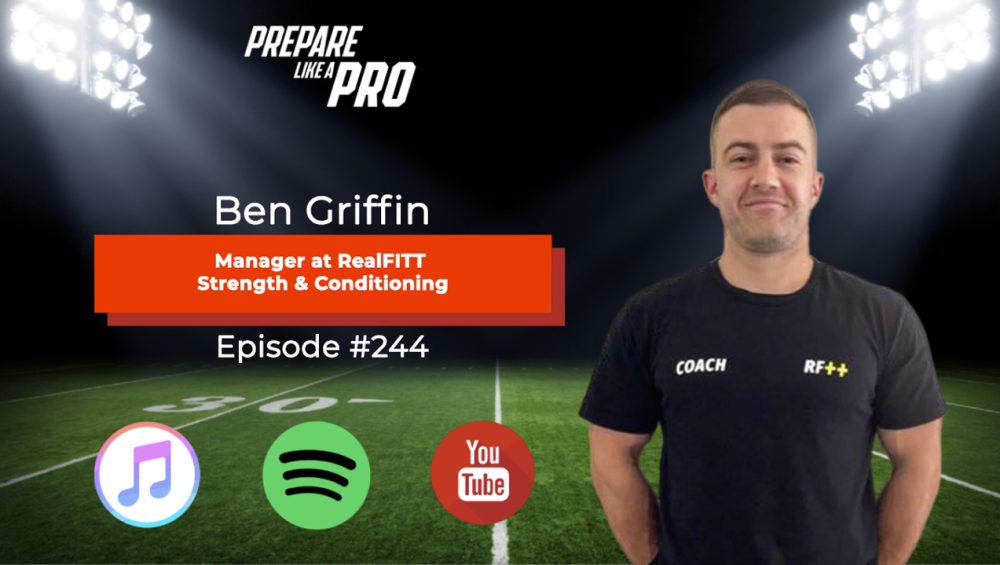
#244 – How to create a successful career in the private sector

Unleashing the Power of Positive Thinking for Personal Growth

Introduction

In our fast-paced world, personal growth is a priority. Among various strategies, positive thinking stands out as a powerful tool. It shapes reality, transforms lives, and impacts personal growth. In this post, we explore its benefits, practical tips, and strategies to cultivate positive thinking habits. Empower yourself to thrive and achieve your full potential, unlocking private sector career success threefold, while also fostering a positive work environment that further enhances private sector career success.

Highlights from the episode:

  • How RealFitt built their client base
  • What social media platform to start marketing your brand
  • How Ben manages his content ideas and how underrated reposting content is
  • How to create engaging content and standout
  • Things he wished he knew when starting a business

People mentioned:

  • Mike Boyle
  • Eric Cressey
  • Christian Woodford
  • Joe Defranco
  • Lachlan Wilmot

Understanding Positive Thinking

  • Defining positive thinking: Exploring the meaning and essence of positive thinking and how it differs from negative thinking.
  • The science behind positive thinking: Highlighting the psychological and physiological benefits of positive thinking, including improved mental health, reduced stress levels, enhanced resilience, and better overall well-being.
  • The power of thoughts: Explaining how our thoughts influence our emotions, actions, and outcomes, emphasizing the importance of cultivating positive thought patterns.

The Benefits of Positive Thinking for Personal Growth

  • Increased self-confidence: How positive thinking helps build self-belief, overcome self-doubt, and develop a growth mindset.
  • Goal attainment and motivation: Discuss how a positive mindset fuels motivation, persistence, and goal achievement by fostering optimism and a solution-oriented approach.
  • Improved relationships: Exploring how positive thinking enhances interpersonal connections, empathy, and communication, leading to healthier and more fulfilling relationships.
  • Resilience in the face of adversity: Illustrating how positive thinking strengthens resilience, allowing individuals to bounce back from setbacks, learn from failures, and embrace challenges as opportunities for growth.
  • Enhanced creativity and problem-solving: Highlighting the link between positive thinking and increased creativity, innovative thinking, and effective problem-solving skills.

Cultivating Positive Thinking Habits

  • Mindfulness and self-awareness: Exploring the role of mindfulness in cultivating positive thinking by bringing awareness to our thoughts and emotions.
  • Challenging negative beliefs: Providing strategies to identify and challenge negative beliefs and replace them with positive and empowering ones.
  • Gratitude practice: Discussing the transformative power of gratitude and suggesting practical exercises to cultivate a grateful mindset.
  • Affirmations and positive self-talk: Introducing the use of affirmations and positive self-talk as tools to rewire our subconscious mind and reinforce positive thinking habits.
  • Surrounding yourself with positivity: Exploring the impact of our environment on our mindset and suggesting ways to create a positive support system and eliminate negativity from our surroundings.

Conclusion

Amidst a world frequently burdened by negativity and obstacles, adopting the power of positive thinking becomes imperative for personal growth. Firstly, a positive mindset possesses the potential to revolutionize our thoughts, emotions, actions, and ultimately, our lives. Furthermore, the advantages of positive thinking are extensive, encompassing heightened self-confidence, motivation, strengthened relationships, and resilience. To foster positive thinking, consistent practice is essential. By mindfully employing techniques such as gratitude and affirmations, coupled with self-awareness, we can gradually shift our mindset towards positivity. Consequently, we unlock our true potential, surmount obstacles, and embark on a rewarding journey of personal development. Importantly, positive thinking doesn’t imply denying challenges; rather, it involves facing them with optimism and a firm belief in our capacity to learn and grow. In conclusion, let positivity be the guiding beacon in your pursuit of personal growth and a life brimming with happiness and accomplishment.

Listen: iTunes | Spotify

Football player developmentCategoriesHigh Performance Podcast Strength & Conditioning Coaches Tips

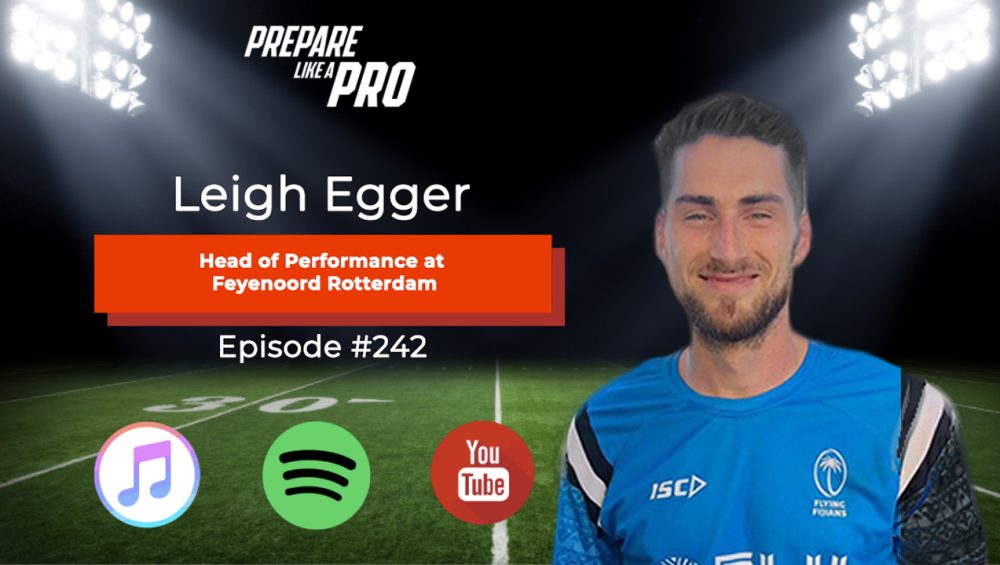
#242 – Multi-faceted approach to performance and player development in football

Unveiling the Unique Performance Approach of Feyenoord Rotterdam

Introduction

“Feyenoord Rotterdam, one of the most esteemed football clubs in the world, has built a reputation for its unique approach to football player development and player performance. In this blog post, we will delve into the key aspects that make Feyenoord stand out among its peers in the realm of football player development. From their multi-faceted strategies to their emphasis on team culture and cutting-edge analysis techniques, Feyenoord’s commitment to excellence in nurturing and honing talent is truly remarkable.

One time, the club’s dedication to individual player growth and overall team success set them apart from others in the industry. Their holistic and forward-thinking approach ensures the development of not only skilled players but also well-rounded individuals.

Another crucial factor that contributes to Feyenoord’s success in player development is its strong focus on youth academies. Through these academies, the club identifies and nurtures young talents, providing them with the necessary resources, coaching, and support to flourish in their football careers. This emphasis on youth development has consistently produced a stream of talented players, making Feyenoord a force to be reckoned with in the world of football player development.”

Highlights from the episode:

  • Feyenoord Rotterdam’s multi-faceted approach to performance
  • How a breakfast club accelerates a successful player development
  • Benefits of coordinated-based movement training
  • How he uses movement analysis and aerobic capacity to measure movement efficiency
  • The software he uses for movement analysis

People mentioned:

  • John Pryor
  • Bec Pryor
  • Frans Bosch
  • Eddie Jones
  • Ruben Peeters

A Multi-Faceted Approach to Performance

At Feyenoord, performance is not limited to just one aspect of the game. Instead, it encompasses a comprehensive set of pillars, including movement literacy and quality, lifestyle, periodization and planning, and DNA. By addressing each of these pillars, the club ensures a holistic development process for its players.

Movement Literacy and Quality

Feyenoord places great importance on players’ movement skills and quality. They recognize that mastering fundamental movements and techniques is crucial for optimal performance. By focusing on movement literacy, players are equipped with a solid foundation, allowing them to excel in various game situations. Moreover, the emphasis on movement quality ensures that players perform actions efficiently and with precision.

Lifestyle

Understanding that performance is not solely determined by training sessions and matches, Feyenoord pays close attention to players’ lifestyles. This pillar encompasses a wide range of factors, such as nutrition, sleep, recovery, and overall well-being. By promoting a healthy and balanced lifestyle, the club maximizes players’ potential both on and off the field.

Periodization and Planning

Effective periodization and planning are crucial for long-term player development. Feyenoord employs meticulous planning to ensure that players reach their peak performance during key moments of the season. By strategically managing training loads, recovery periods, and match schedules, the club optimizes performance and reduces the risk of injuries.

DNA

Every club has its own identity and style of play, and Feyenoord is no exception. The club’s DNA represents its core principles, values, and playing philosophy. By instilling a strong sense of identity, Feyenoord fosters a cohesive and harmonious team dynamic, which ultimately translates into improved performance on the field.

The Power of Team Environment and Culture

Feyenoord understands the significance of a positive and supportive team environment. While it is not mandatory for success, it serves as a catalyst for growth and development. One notable example is the implementation of a “breakfast club” inspired by the documentary “The Last Dance” featuring basketball legend Michael Jordan. This early morning training program, initially designed for players who needed extra attention, not only improved their physical fitness but also created a strong sense of camaraderie within the group.

Coordinated-Based Movement Training

Feyenoord incorporates coordinated-based movement training influenced by the work of Frans Bosch, a renowned movement specialist. This approach focuses on improving players’ coordination, body awareness, and movement efficiency. Unlike traditional training methods, the emphasis is not on physical exhaustion but on the refinement of movement patterns. Although it may take several weeks to see tangible results, the long-term benefits in terms of enhanced sharpness and performance are remarkable.

Balancing Efficiency of Movement and Traditional Conditioning

When it comes to player development, Feyenoord recognizes the need for a case-by-case approach. For players with deeply ingrained movement habits, a more extended period may be required to achieve significant changes. In such cases, traditional strength and conditioning methods may be preferred. On the other hand, for younger players or those with limited training history, coordinated-based movement training can bring about noticeable improvements within a shorter timeframe. The club values a flexible and adaptable approach tailored to individual needs.

Cutting-Edge Movement Analysis Techniques

Feyenoord utilizes modern technology and movement analysis to enhance player performance. By recording training sessions and matches, the club’s performance analysts provide valuable feedback and insights. The use of smartphones and video conferencing platforms like Zoom allows for real-time remote analysis, ensuring that no detail goes unnoticed. This analysis helps identify areas of improvement and fine-tune players’ techniques, ultimately leading to enhanced on-field performance.

Conclusion

Feyenoord Rotterdam’s commitment to a multi-faceted approach, team culture, coordinated-based movement training, and cutting-edge analysis techniques has set them apart in the world of football. By prioritizing players’ movement literacy, quality, and lifestyle, and adhering to a well-structured plan, the club consistently nurtures talented athletes who excel both individually and collectively. As Feyenoord continues to pave the way for player development and performance enhancement, their methodologies serve as a source of inspiration for clubs worldwide.

Listen: iTunes | Spotify

Successful Athletic Development ProgramCategoriesHigh Performance Podcast Strength & Conditioning Coaches Tips

Episode 240 – How to create a successful athletic development program

Unlocking Potential: The Key Principles of a Successful Athletic Development Program

Introduction

Athlete development is a complex and multifaceted process that requires careful planning, a clear philosophy, and a holistic approach. In a recent interview, Des Ryan, the Director of Coaching and Performance at Setanta College, shared his insights on the key principles of athlete development for team sport athletes. This blog post explores the main takeaways from his discussion, highlighting the importance of philosophy, the case study of Arsenal Academy’s “arrow approach,” the evolution of athletic development philosophy, and the integration of various aspects in a successful athletic development program.

Highlights from the episode:

  • His key philosophy for athlete development in team sports
  • Developing functional competency in athletes
  • The significance of development windows in the program
  • The perks of developing young athletes
  • Importance of an integrated and holistic program

People mentioned:

  • Phillip Moore
  • Liam Henry
  • John Toben
  • Arsene Wenger
  • Dan Baker
  • Sean Cummings
  • Colin Leu

Philosophy: A Foundation for Success

At the heart of any successful athletic development program lies a well-defined philosophy. Des Ryan emphasized the significance of having a clear and coherent philosophy that guides the entire process. This philosophy should encompass the values, goals, and principles that drive the development of athletes. Whether it’s fostering a growth mindset, emphasizing skill development, or promoting teamwork, a strong philosophy sets the tone for the entire journey.

The “Arrow Approach” – A Case Study

Drawing from the success of Arsenal Academy’s “arrow approach,” Des Ryan highlighted the importance of structured pathways in athlete development. The “arrow approach” involves directing athletes through different stages of development, ensuring progressive and systematic advancement. This case study exemplifies how a well-designed pathway can lead athletes from grassroots to elite levels, maximizing their potential along the way.

The Evolution of Athletic Development Philosophy

Athletic development philosophy is not a static concept; it evolves with time and insights. In the blog post, Des Ryan discusses how the philosophy surrounding athlete development has changed over the years. From focusing solely on physical attributes to recognizing the importance of mental conditioning, the evolution of this philosophy has led to more well-rounded and resilient athletes.

Holistic Integration – The Winning Formula

To create a truly successful athletic development program, a holistic approach is essential. It’s not just about training the body; it’s about integrating various aspects such as nutrition, mental well-being, and recovery strategies. Des Ryan stressed that only when athletes’ physical, mental, and emotional needs are adequately addressed can they achieve their full potential.

Conclusion

In conclusion, a successful athletic development program is built on a strong philosophy, guided by progressive pathways, adapting to the times, and embracing a holistic approach. By implementing these key principles, coaches, and organizations can unlock the potential of team sport athletes and nurture a new generation of well-rounded and successful players.

Listen: iTunes | Spotify

Speed development for NRL athletesCategoriesHigh Performance Podcast

Episode 238 – A guide to speed development for NRL athletes

Unlocking Speed: Insights from Nathan Kiely, Rehab and Speed Coach for Brisbane Broncos

Introduction

Speed is a crucial attribute for athletes in the National Rugby League (NRL). To gain a deeper understanding of the key components of speed development, we turn to Nathan Kiely, a highly regarded rehab and speed coach for the Brisbane Broncos, who specializes in speed development for NRL athletes. In a recent interview on YouTube, Kiely shared valuable insights into enhancing speed, emphasizing the significance of sprinting, the systematic approach to skill development, athlete assessment, and common mistakes to avoid. Let’s delve into his expertise and discover how athletes can unlock their full-speed potential.

Highlights from the episode:

  • Secrets behind maximizing speed potential in NRL athletes
  • How Nathan sets position-specific strength targets to optimize athletes’ roles on the field
  • Common mistakes athletes do when improving speed
  • What a successful speed session looks like
  • Supplementary exercises for injured athletes to prepare them for sprinting on their comeback

People mentioned:

  • Roger Farber
  • David Boyle
  • Sam Kennedy
  • Graeme Morris
  • Nathan Parnham
  • Ross Herridge
  • Dave Ballard
  • Dean Benton
  • Jonas Tawiah Dodoo

The Primacy of Sprinting

According to Kiely, the most overlooked aspect of speed development is the act of sprinting itself. He stresses that athletes must dedicate ample practice time to sprinting, as it is the primary factor in becoming faster. While other training methods have their place, nothing can substitute for the actual task. By prioritizing sprinting, athletes can focus on refining their technique and maximizing their speed potential.

Systematic Skill Development

In addition to sprinting, Kiely highlights the importance of a systematic approach to developing the key components that underpin running competency. He identifies lumbar pelvic control, leg stiffness, and the ability to rapidly switch limbs in space as crucial skills for speed. By implementing a systemized training program targeting these components, athletes can enhance their overall running ability and ultimately improve their speed on the field.

Assessing Athletes

Understanding an athlete’s strengths, weaknesses, and physical qualities is vital in designing an effective speed development program. Kiely emphasizes the significance of athlete assessment based on factors such as position, age, and individual physical qualities. The Brisbane Broncos employ a comprehensive standardized testing battery, tailored to each position, to establish benchmarks for performance evaluation. This data-driven approach ensures a customized training program for every athlete, maximizing their speed development potential.

Common Mistakes and Solutions

When it comes to improving speed, Kiely points out some common mistakes athletes make and offers valuable solutions. One common error is a lack of intensity in sprint efforts, often due to inadequate recovery. Kiely stresses the importance of allowing sufficient recovery time between sprint repetitions to prevent excessive fatigue, which hampers speed development. Athletes should prioritize quality over quantity, ensuring they have the energy to generate the required outputs for optimal adaptation.

Organizing a Successful Speed Session

Kiely also provides insights into organizing a successful speed session. He recommends allocating 10 to 15 minutes for low-level preparation, including targeted mobility work to enhance hip mobility and activation exercises for the lumbar pelvic region. This warm-up routine helps athletes establish proper control and integrity in these areas. Additionally, dynamic movements are incorporated to raise body temperature and improve blood flow, preparing the body for optimal performance during speed training sessions.

Supplementary Exercises for Injured Athletes

For athletes undergoing rehabilitation and unable to perform sprints, Kiely suggests supplementary exercises and drills to maintain and enhance their speed-related qualities. The selection of these exercises depends on the specific injury being addressed. For instance, if an athlete has a hamstring injury, high-intensity drilling and change direction work can help load the calf-ankle-foot complex and replicate some aspects of sprinting. By carefully tailoring supplementary exercises, injured athletes can continue their speed development journey and seamlessly reintegrate into sprinting once they have fully recovered.

Conclusion

Nathan Kiely, the rehab and speed coach for the Brisbane Broncos, offers valuable insights into speed development for NRL athletes. His emphasis on sprinting as the primary factor in speed improvement, along with the need for a systematic approach to skill development, athlete assessment, and proper organization of speed sessions, provides athletes with a comprehensive roadmap for unlocking their speed potential. By avoiding common mistakes and incorporating supplementary exercises during injury rehabilitation

Listen: iTunes | Spotify

Sport-specific energy periodization for athletesCategoriesHigh Performance Podcast Strength & Conditioning Coaches Tips

Episode 234 – How to periodize for different energy needs depending on the sport and athletes

Periodization: Combining Nutrition and Exercise to Optimize Athletic Adaptation

Introduction to Periodization

Moreover, through sport-specific energy periodization for athletes, optimizing athletic performance becomes a crucial factor as it considers both training and nutrition. Sport-specific energy periodization involves strategically planning training and nutritional cycles to enhance an athlete’s performance during key phases of preparation and competition. By breaking down training into different phases with specific goals, sport-specific energy periodization allows athletes to maximize their potential, prevent overtraining, and reduce the risk of injury. This approach ensures that athletes can tailor their training and nutrition precisely to the demands of their sport, thereby gaining a competitive edge.

Highlights from the episode:

  • What is periodization and how it relates to nutrition for athletes
  • Nutrition difference between endurance athletes and power athletes
  • Common mistakes athletes make when it comes to their nutrition
  • Best recovery foods and supplements for athletes
  • Adjusting athlete’s nutrition plan during competition season versus off-season

The Concept of Periodization

Periodization involves alternating between periods of high and low-intensity training to allow the body adequate time to rest and recover. This tailored approach considers the unique energy demands of different sports, aligning an athlete’s physical capabilities with specific performance targets.

Nutrition for Endurance Athletes

Endurance athletes have distinct nutrition needs, particularly in terms of higher carbohydrate intake to fuel their workouts. Gut training, the gradual increase of carbohydrate intake during exercise, is essential for better nutrient absorption. Working with a nutritionist to establish a plan is vital for successful gut training.

Preparation: Emergency Snacks and Consistent Pre-Game Nutrition

Endurance athletes should have easily digestible, high-carbohydrate, and low-fat emergency snacks available. Consistent pre-game nutrition with familiar foods is crucial, as trying new foods before competitions may lead to adverse effects.

Recovery Foods and Supplements

After workouts or competitions, proper recovery is crucial to replenish glycogen stores and repair muscle damage. Essential recovery components include whey protein for muscle recovery, carbohydrates to replenish glycogen, electrolytes to replace lost minerals and fluids, and potentially creatine for specific performance goals.

Working with a Nutritionist and Conclusion

Athletes should collaborate with a nutritionist to develop a periodization plan tailored to their specific needs. By following a comprehensive periodization approach that combines nutrition and exercise, athletes can improve their performance, reduce the risk of injuries, and achieve their goals successfully.

Listen: iTunes | Spotify