Strength Recovery MonitoringCategoriesPodcast Strength & Conditioning Coaches Tips

#368 – Nick Poulos on Complex Training and Load Monitoring

What’s the difference between complex and contrast training, and why does the terminology matter more than most coaches think? In this episode, we get into the nuances of strength recovery monitoring and athlete recovery after an AFL game, including what jump metrics actually tell you, when to adjust testing strategies for individual athletes, and how to build a red flag system that catches workload spikes before they become injuries. We also explore how strength recovery monitoring can help practitioners make better-informed decisions in high-performance environments. If you’re working in elite sport or aspiring to, this one is packed with practical insight.

Strength Recovery Monitoring

Athlete performance is influenced by more than just hard training. According to high-performance coach Nick Poulos, success comes from combining effective training methods with smart recovery and monitoring strategies. As a result, coaches can make better decisions that support both performance and athlete health.

Understanding Complex Training

Complex training is often used as an umbrella term for combining heavy strength exercises with explosive movements in the same training session. For example, an athlete may perform squats followed by jumps or power cleans followed by sprints. Meanwhile, contrast training is a more specific method that pairs a heavy lift directly with a biomechanically similar explosive action. Both approaches aim to improve power output and athletic performance.

Monitoring Recovery Effectively

Recovery monitoring is most effective when multiple data points are considered together. Rather than relying on a single test, practitioners use force plate assessments, jump height, movement velocity, and other neuromuscular indicators. Consequently, coaches gain a more complete understanding of an athlete’s readiness to train and compete.

Adapting Testing to the Athlete

Not every athlete can perform standard testing protocols. Injuries, soreness, or physical limitations may require adjustments. Therefore, flexibility is essential. While alternative assessments may not be perfect, maintaining consistency in testing methods helps ensure reliable and meaningful data over time.

Making Better Return-to-Play Decisions

Return-to-play decisions are rarely straightforward. Instead, coaches, medical staff, and performance teams must evaluate the athlete’s condition, experience, and role within the team. Furthermore, the importance of upcoming competitions often influences the final decision. Open communication helps everyone stay aligned and make informed choices.

Using Data to Prevent Problems

Modern load monitoring systems track GPS metrics, running demands, and mechanical loads. As a result, significant changes can be identified early. Athletes showing unusual workload increases can then receive modified training or additional recovery support before performance declines or injuries occur.

🔑Highlights from the episode:

– Complex vs contrast training explained
– Best tests to monitor post-game recovery
– When athletes just can’t complete standard testing
– Why consistency matters more than perfect conditions
– How to identify at-risk athletes using workload data

🎥 Watch full episode on YouTube
🔗 https://www.youtube.com/@preparelikeapro
📅 Book a FREE discovery call for coaches
👉 https://calendly.com/plp2

Listen: iTunes | Spotify

Are you ready to enhance your coaching? Uncover the strategies to build a thriving online platform, liberating yourself from the time-for-money constraints while pursuing a career as an AFL S&C coach.

Book a FREE coaches discovery call
https://calendly.com/plp2/15min
Hamstring Recovery Performance GuideCategoriesPodcast Strength & Conditioning Coaches Tips

Dean Filopoulos Explains the 4 Phases of Hamstring Reconditioning

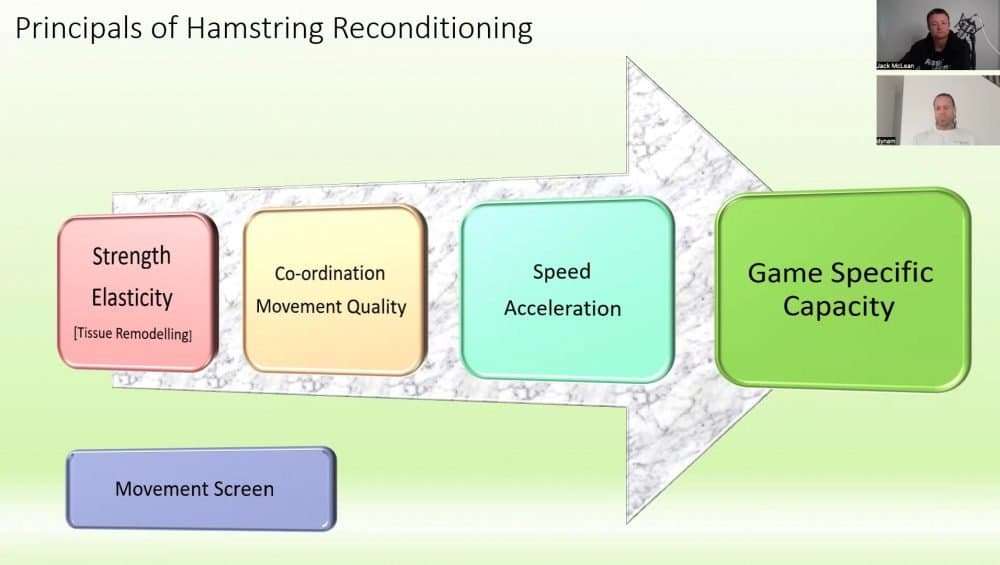
Hamstring injuries are among the most common and frustrating setbacks in sports performance. The Hamstring Recovery Performance Guide emphasizes that successful rehabilitation requires more than rest and basic strengthening exercises. Through the Hamstring Recovery Performance Guide, Dean Filopoulos highlights a complete four phase approach that helps athletes rebuild strength, improve movement quality, develop speed, and safely return to competition. By following a structured recovery process, athletes can reduce reinjury risk while regaining confidence and performance.

Hamstring Recovery Performance Guide

Building Strength First

Hamstring rehabilitation should never begin with speed work alone. Instead, Dean Filopoulos explains that recovery starts with rebuilding strength and restoring tissue capacity. Stronger muscles can better tolerate training loads and reduce the risk of reinjury. Moreover, strength training creates the foundation needed for every phase that follows. Athletes who skip this process often return too early and struggle with recurring problems.

Improving Movement Quality

After strength development, the focus shifts toward tissue remodeling and movement coordination. However, rehabilitation is not only about the hamstring itself. Movement limitations in the hips, pelvis, or lower back may contribute to poor mechanics and additional stress on the hamstring. Therefore, coaches and therapists should assess the entire kinetic chain. Better movement quality allows athletes to move more efficiently and confidently during training.

Developing Speed Carefully

Once athletes regain control and coordination, they can gradually reintroduce speed and acceleration work. Nevertheless, this phase must be progressed carefully. Sudden increases in sprint intensity may overload healing tissues. As a result, controlled sprint drills and progressive acceleration work help athletes rebuild confidence while improving performance. In addition, this stage prepares the body for the explosive demands of sport.

Preparing for Game Demands

The final phase focuses on game specific work capacity. At this point, athletes should train under conditions that closely match competition intensity. Furthermore, conditioning drills should challenge speed, fatigue resistance, and movement efficiency simultaneously. This approach helps athletes return not only healthy but also physically prepared to perform at a high level. Ultimately, successful hamstring rehabilitation is a complete performance process, not simply an injury recovery plan.

Join the Coaches Academy and start building your career in pro sport.

Join Now → https://preparelikeaproacademy.com.au/join-coaches-now/

Resilient Hamstring Training MethodsCategoriesPodcast Strength & Conditioning Coaches Tips

Dean Filopoulos on Building Resilient Hamstrings

What if the hamstring exercise you’ve been debating doesn’t actually matter? In this discussion on Resilient Hamstring Training Methods, Dean walks through a four-phase reconditioning framework built from years inside a professional AFL club, covering the movement and coordination factors coaches often miss, why stimulus matters more than exercise selection, and what two research studies revealed about Nordics versus the K-box and their surprising effects on acceleration and max velocity. Through these Resilient Hamstring Training Methods, he also highlights how coaches can better align rehabilitation and performance outcomes by focusing on adaptable loading strategies rather than chasing a single “best” exercise.

Resilient Hamstring Training Methods

Understanding Modern Hamstring Injuries

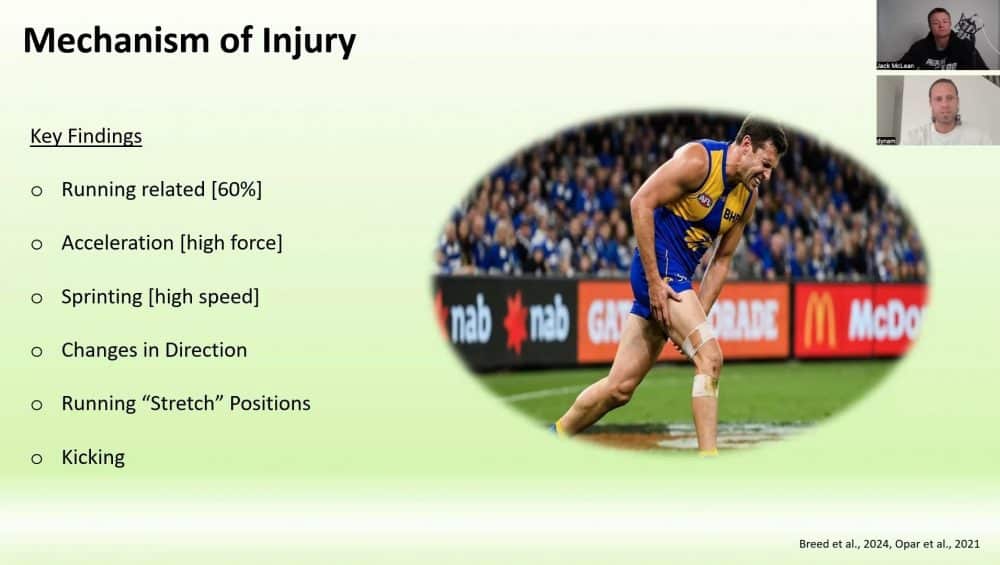
Hamstring injuries are one of the most common problems in elite sport, especially in football and sprint-based games. According to Dean Filopoulos, most injuries happen during high-speed running, acceleration, or sudden direction changes. However, simple movements like kicking or bending to pick up a ball can also place athletes at risk. As game intensity continues to rise, athletes must prepare their bodies for faster and more explosive demands.

Why Rehabilitation Needs Structure

Effective hamstring rehabilitation is not only about reducing pain. Instead, athletes need a structured process that rebuilds strength, movement quality, and confidence. Filopoulos explains that recovery should progress through four stages: strength development, tissue remodeling, movement coordination, and finally speed and game readiness. As a result, athletes are more prepared to return safely to competition.

The Importance of Full Body Movement

Interestingly, hamstring injuries are rarely isolated problems. Weakness or poor movement patterns in the hips, trunk, or lower body can increase strain on the hamstrings. Therefore, coaches and therapists should assess the entire movement chain. A holistic approach not only improves performance but also reduces the likelihood of reinjury.

Smart Training Builds Resilience

Exercises such as Nordic curls, sliders, and eccentric leg curls are commonly used because they improve hamstring resilience under load. Furthermore, different exercises create different adaptations. Nordic exercises may improve acceleration, while hip dominant movements like RDL variations can support top speed running. Consequently, training programs should match the athlete’s performance demands.

🔑Highlights from the episode:

– The most common hamstring injury mechanism in AFL
– The four phases of hamstring reconditioning explained
– How collaboration between physios and S&C shapes outcomes
– Why exercise selection is the wrong question to ask
– What the Nordic versus K-box study actually found

🎥 Watch full episode on YouTube
🔗 https://www.youtube.com/@preparelikeapro
📅 Book a FREE discovery call for coaches
👉 https://calendly.com/plp2

Listen: iTunes | Spotify

Are you ready to enhance your coaching? Uncover the strategies to build a thriving online platform, liberating yourself from the time-for-money constraints while pursuing a career as an AFL S&C coach.

Book a FREE coaches discovery call
https://calendly.com/plp2/15min

Running Hamstring Injury RisksCategoriesPodcast Strength & Conditioning Coaches Tips

Mechanism of Hamstring Injury (Dean Filopoulos Explains)

Hamstring injuries remain one of the biggest challenges in AFL performance and player availability. As game speed and intensity continue to increase, understanding how these injuries occur is essential for coaches, athletes, and practitioners. Running Hamstring Injury Risks are often linked to high-speed sprinting, rapid acceleration, and repeated exposure to intense match demands. This article explores the most common hamstring injury mechanisms in Australian Rules Football, including sprinting, acceleration, directional changes, and functional movement patterns. Understanding Running Hamstring Injury Risks can help practitioners build more effective prevention and rehabilitation strategies.

Running Hamstring Injury Risks

Understanding Running Related Injuries

Hamstring injuries remain one of the most common soft tissue injuries in AFL. According to current research, most hamstring issues occur during running actions, especially acceleration and high speed sprinting. As game intensity continues to rise, athletes are exposed to greater sprint demands during both training and competition. Therefore, coaches and practitioners must understand how running mechanics influence injury risk. In many cases, players experience hamstring strain when rapidly increasing speed or transitioning into maximal sprinting efforts.

The Impact of Speed Changes

Additionally, modern AFL gameplay requires frequent changes in speed and direction. These sudden movements place extra stress on the hamstring muscles, particularly when athletes decelerate and reaccelerate quickly. Because of this, players may experience overload during repeated high intensity efforts. Furthermore, fatigue can reduce sprint efficiency and increase muscular strain. Coaches should gradually expose athletes to game speed demands so the hamstrings can tolerate these movements safely and effectively.

Stretch Based Mechanisms Matter

However, not all hamstring injuries occur during sprinting. Stretch based mechanisms can also contribute to muscle strain during functional football actions. For example, a ground ball pickup may place the hamstring under excessive tension when the athlete bends and reaches at speed. Likewise, kicking actions may create rapid lengthening forces through the posterior chain. As a result, injury prevention programs should include mobility, eccentric strength, and movement control exercises.

Building Smarter Prevention Strategies

Ultimately, understanding multiple hamstring injury mechanisms helps practitioners design more effective prevention programs. Since approximately 60% of hamstring injuries in Australian Rules Football are running related, sprint preparation should remain a major focus. By combining progressive sprint exposure, strength training, and movement quality drills, athletes can better prepare for the physical demands of elite competition.

Join the Coaches Academy and start building your career in pro sport.

Join Now → https://preparelikeaproacademy.com.au/join-coaches-now/

High Performance Coaching SkillsCategoriesPodcast Strength & Conditioning Coaches Tips

#168 – Top 5 Skills Every Strength Coach Needs to Work in High Performance Sport

What does it really take to last in elite sport, not just get there? In this episode, the conversation breaks down the five non-negotiable qualities that define high-performance practitioners and the importance of developing high performance coaching skills early in your career. From navigating big personalities and building trust before pushing for results, to making real-time decisions under pressure and staying adaptable when plans fall apart, High Performance Coaching Skills are often what separate long-term success from short-term survival. If you’ve ever wondered what separates the coaches who grow from the ones who stall, this one’s worth your attention.

High Performance Coaching Skills

Communication Builds Alignment

High Performance Coaching Skills are essential for coaches working in elite sport. First, communication is one of the most important abilities a coach can develop. In high performance environments, athletes and staff often have strong opinions and different experiences. Therefore, coaches must communicate clearly while also listening and respecting different perspectives. Strong communication helps create alignment across the entire performance team.

Relationships Create Trust

Secondly, strong relationships allow honest conversations to happen. Without trust and respect, challenging discussions can quickly become conflict. However, when coaches invest time into understanding their athletes and staff, collaboration improves naturally. Building relationships does not need to feel forced. Instead, it should grow through consistent effort, professionalism, and genuine care for others.

Adaptability Improves Decision Making

Furthermore, elite sport constantly changes. Coaches may begin the day with a detailed plan, but athlete readiness, recovery, and emotional state can shift quickly. Because of this, adaptability becomes a critical coaching skill. Great coaches know when to push athletes and when to adjust training loads to maximize performance and recovery. The ability to make smart decisions in real time often separates good coaches from elite ones.

Leadership Requires Accountability

Meanwhile, leadership in high performance sport comes with pressure. Coaches regularly operate in demanding environments where mistakes can happen. Nevertheless, strong leaders take ownership of decisions, reflect on their process, and continue moving forward. Accountability and composure help create professional standards that athletes can trust.

Self-Awareness Drives Growth

Finally, self-awareness is often underrated in coaching. Coaches who consistently reflect, seek feedback, and refine their philosophy continue to evolve over time. As a result, they become more confident, adaptable, and effective in high pressure situations.

Highlights of the episode:

– The one communication skill elite environments demand most
– Why trust has to come before honest conversations
– How to make better decisions when everything changes mid-session
– What managing pressure in elite sport actually looks like
– Why self-awareness might be the most underrated quality in coaching

🎥 Watch full episode on YouTube
🔗 https://www.youtube.com/@preparelikeapro
📅 Book a FREE discovery calls for coaches
👉 https://calendly.com/plp2

Listen Now & Subscribe!

🎧 Available on Spotify, Apple Podcasts, and YouTube
📲 Follow us on Instagram: @preparelikeapro
💡 Learn more at preparelikeapro.com

Listen: iTunes | Spotify

Are you ready to enhance your coaching? Uncover the strategies to build a thriving online platform, liberating yourself from the time-for-money constraints while pursuing a career as an AFL S&C coach.

Book a FREE coaches discovery call
https://calendly.com/plp2/15min
Athlete Pain Recovery InsightsCategoriesPodcast Strength & Conditioning Coaches Tips

#367 – Ebonie Rio on Neuro Tags, Phantom Pain, and the Real Reason Athletes Stay Injured

What if the pain your athlete feels has less to do with tissue damage and more to do with what their brain has learned to expect? This post explores how pain responses can evolve through learned experiences, while also highlights the importance of understanding the brain’s role in recovery. Ebonie Rio unpacks the concept of neuro tags, why they become imprecise over time, and how a pain response can start behaving like a phobia. She also gets into phantom limb pain, the resources she trusts in complex cases, and how she uses Lorimer Moseley’s work to shift the way athletes understand their own experience.

Athlete Pain Recovery

Pain Is More Than Tissue Damage

Many athletes believe pain always means something is damaged. However, modern pain science shows that the brain plays a major role in how pain is experienced. Ebonie Rio explains that the brain constantly scans for danger and tries to protect the body based on previous experiences. Therefore, athletes can still feel pain even after tissues have healed. This is why understanding pain is essential for long term performance and recovery.

Neuro Tags and Athletic Performance

A neuro tag is the brain’s way of linking memories, emotions, and sensory information together. For example, if an athlete experienced a painful hamstring injury before, the brain may become more protective during similar movements. As a result, athletes can develop fear, hesitation, or tension even when the body is physically ready. Furthermore, these responses can reduce confidence and limit performance during training or competition.

Why Pain Can Become Imprecise

Over time, pain responses can become less accurate. Rio compares this to a phobia where the brain starts reacting to situations that are no longer dangerous. Similarly, athletes may experience pain during movements that are actually safe. Consequently, the nervous system becomes overprotective and sensitive. This is why rehabilitation should focus not only on strength and mobility but also on helping athletes feel safe and confident again.

Education Creates Better Recovery

Education is one of the most powerful tools in rehabilitation. When athletes understand how pain works, fear often decreases and confidence improves. In addition, learning about concepts like phantom pain highlights how strongly the brain influences physical sensations. Ultimately, combining physical preparation with pain education allows athletes to recover smarter, move freely, and perform at a higher level.

🔑Highlights from the episode:

– How Ebonie’s passion for pain started during her PhD
– What a neuro tag actually is and why it matters
– When pain starts behaving like a phobia
– The resources Ebonie trusts in complex pain cases
– Phantom limb pain and what it reveals about the brain

People mentioned:

– Lorimer Moseley
– Jill Cook
– Craig Purdam
– Will Morgan
– David Butler

🎥 Watch full episode on YouTube
🔗 https://www.youtube.com/@preparelikeapro
📅 Book a FREE discovery call for coaches
👉 https://calendly.com/plp2

Listen: iTunes | Spotify

Are you ready to enhance your coaching? Uncover the strategies to build a thriving online platform, liberating yourself from the time-for-money constraints while pursuing a career as an AFL S&C coach.

Book a FREE coaches discovery call
https://calendly.com/plp2/15min

Youth Athlete Development PlanCategoriesPodcast Strength & Conditioning Coaches Tips

#167 – Jack McLean’s Strength Plan That Turned Rookies Into AFL Stars

How much training is too much for a developing footballer, and are parents actually making it worse? Within a well-structured Youth Athlete Development Plan, Jack McLean breaks down what’s really happening when junior athletes overtrain. He explains why the gym is often safer than most people think, and what AFL coaches and recruiters are actually watching for when they assess young players. Furthermore, he highlights how parents can support without adding pressure, along with simple monitoring habits that help keep athletes healthy through growth spurts and demanding seasons.

Youth Athlete Development Plan

Enjoyment Over Early Comparison

First, young athletes thrive when they are not constantly compared to others. Instead of chasing rankings, parents should focus on helping their child enjoy the game and improve daily. As a result, this builds confidence and long-term motivation, which are far more valuable than early performance outcomes.

Build Strong Training Foundations

Next, strength training is highly beneficial when done correctly. In fact, the gym is a controlled environment that can support development safely. However, problems arise when athletes copy others without proper coaching. Therefore, prioritizing good technique and guidance is essential for building strong habits.

Quality Over Quantity

Moreover, doing more is not always better. Many young athletes fall into the trap of training every day with little variation. On the other hand, the body responds best to a mix of intensity, variety, and recovery. Consequently, training four to five times per week with purpose often leads to better results than constant volume.

Listen and Adjust Accordingly

In addition, there is no perfect training program. Each athlete responds differently, especially during growth phases. For this reason, parents and coaches should watch for signs like fatigue, poor sleep, or low motivation. If needed, adjusting the load or taking a rest day can support long-term progress.

Develop Game Intelligence

Finally, what separates athletes is not just physical ability but decision-making and skill execution. Coaches value players who can read the game and adapt under pressure. Encouraging reflection, such as journaling and reviewing performance, helps build this critical awareness over time.

Highlights of the episode:

– What parents often get wrong about AFL readiness
– The truth about strength training for junior footballers
– The most common overtraining mistake in junior sport
– How to manage load during growth spurts and busy seasons
– What recruiters actually notice in developing players

🎥 Watch full episode on YouTube
🔗 https://www.youtube.com/@preparelikeapro
📅 Book a FREE discovery calls for coaches
👉 https://calendly.com/plp2

Listen Now & Subscribe!

🎧 Available on Spotify, Apple Podcasts, and YouTube
📲 Follow us on Instagram: @preparelikeapro
💡 Learn more at preparelikeapro.com

Listen: iTunes | Spotify

Are you ready to enhance your coaching? Uncover the strategies to build a thriving online platform, liberating yourself from the time-for-money constraints while pursuing a career as an AFL S&C coach.

Book a FREE coaches discovery call
https://calendly.com/plp2/15min

ACL recovery coaching approachCategoriesPodcast Strength & Conditioning Coaches Tips

How Data Should Inform Your Decisions, Not Govern Them (Dean Filopoulos Explains)

ACL recovery coaching approach

Rebuilding Coordination After Injury

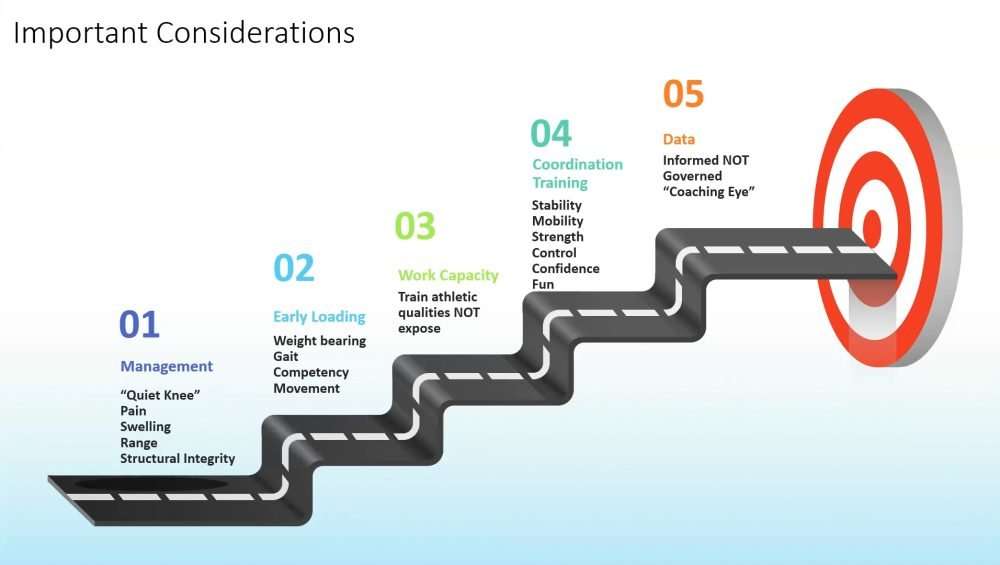
After an ACL injury, athletes often experience a significant drop in coordination due to extended periods of inactivity. Typically, the first three months involve limited movement, which affects timing, balance, and overall control. Therefore, rebuilding coordination becomes a priority early in the recovery process. Instead of rushing into high-intensity work, focusing on movement quality helps athletes regain their rhythm and body awareness.

Movement Skills Over Isolation

Moreover, effective recovery goes beyond traditional rehab exercises. Incorporating movement skill training, gameplay, and even gymnastics creates a more dynamic and engaging environment. These methods improve stability, mobility, strength, and control simultaneously. As a result, athletes not only recover physically but also redevelop confidence in their movements, which is crucial for long-term performance.

Building Confidence Through Enjoyment

In addition, making training enjoyable plays a key role in recovery. When athletes are engaged and motivated, they are more likely to commit fully to the process. Treating individuals as athletes rather than patients shifts the mindset from limitation to performance. Consequently, this approach accelerates both physical and psychological recovery.

Balancing Data and Coaching Insight

However, while data can provide valuable insights, it should not dictate every decision. Instead, it should support the coach’s judgment. The “coaching eye” remains essential in identifying movement quality, effort, and readiness. By blending data with experience, coaches can make more informed and effective decisions tailored to each athlete.

Join the Coaches Academy and start building your career in pro sport.

Join Now → https://preparelikeaproacademy.com.au/join-coaches-now/

Blood Flow Restriction TrainingCategoriesPodcast Strength & Conditioning Coaches Tips

#366 – Michael MacPherson: How BFR Went From the Rehab Room to the Elite Performance Stage

What if you could trigger the same muscular environment as heavy resistance training with a fraction of the load? Michael breaks down the mechanics of blood flow restriction training, from how limb occlusion pressure is calculated to why the right cuff pressure depends far more on the individual than most protocols suggest. He also gets into how BFR pairs with plyometrics, why it has become a go-to for the foot and ankle complex, and what continuous occlusion actually looks like in practice.

🔑Highlights from the episode:

– What blood flow restriction training actually does to muscle
– How to calculate limb occlusion pressure correctly
– Why BFR pressure should be adjusted for the individual
– The reason BFR pairs so well with plyometrics
– How long continuous occlusion should last per session

Blood Flow Restriction Training

Understanding BFR Training Stimulus

Blood Flow Restriction training is not about lifting heavy weights. Instead, it focuses on creating the right internal environment within the muscle. By partially restricting blood flow, BFR mimics the stress of high-intensity training using low loads. As a result, athletes can still recruit fast-twitch muscle fibers and stimulate strength adaptations. This makes it highly effective, especially when traditional loading is not possible.

Why Pressure and Placement Matter

To begin with, cuffs are placed at the top of the limb to safely control circulation. The key variable here is Limb Occlusion Pressure, which determines how much blood flow is restricted. However, there is no universal setting. Athletes with more muscle mass often tolerate higher pressures, while beginners or leaner individuals require a more conservative approach. Therefore, individualisation is critical for both safety and performance.

A Smarter Approach to Load Management

Moreover, BFR provides a unique advantage in managing training load. Since the external load remains low, stress on joints and tendons is minimized. At the same time, the muscular demand is significantly increased. This allows athletes to maintain or even improve strength during rehabilitation phases. Consequently, BFR becomes a powerful bridge between injury and full performance.

Applying BFR to Explosive Training

In addition, integrating BFR into plyometric training enhances intensity without increasing impact forces. Movements such as jumps and bounds become more demanding due to faster fatigue and earlier recruitment of high-threshold fibers. As a result, athletes can train explosiveness efficiently while still protecting vulnerable tissues.

Efficiency and Recovery Benefits

Finally, BFR sessions are time-efficient and versatile. Short blocks of continuous restriction can create a strong training effect in minimal time. Interestingly, many athletes also report reduced joint discomfort and improved movement quality. This makes BFR not just a performance tool, but also a valuable recovery strategy.

🎥 Watch full episode on YouTube
🔗 https://www.youtube.com/@preparelikeapro
📅 Book a FREE discovery call for coaches
👉 https://calendly.com/plp2

Listen: iTunes | Spotify

Are you ready to enhance your coaching? Uncover the strategies to build a thriving online platform, liberating yourself from the time-for-money constraints while pursuing a career as an AFL S&C coach.

Book a FREE coaches discovery call
https://calendly.com/plp2/15min

Rehabilitation Lifestyle ApproachCategoriesPodcast Strength & Conditioning Coaches Tips

How The Functional Milestone Approach Gets Staff Aligned (Dean Filopoulos Explains)

Rehabilitation Lifestyle Approach

Rehab Is a Daily Commitment

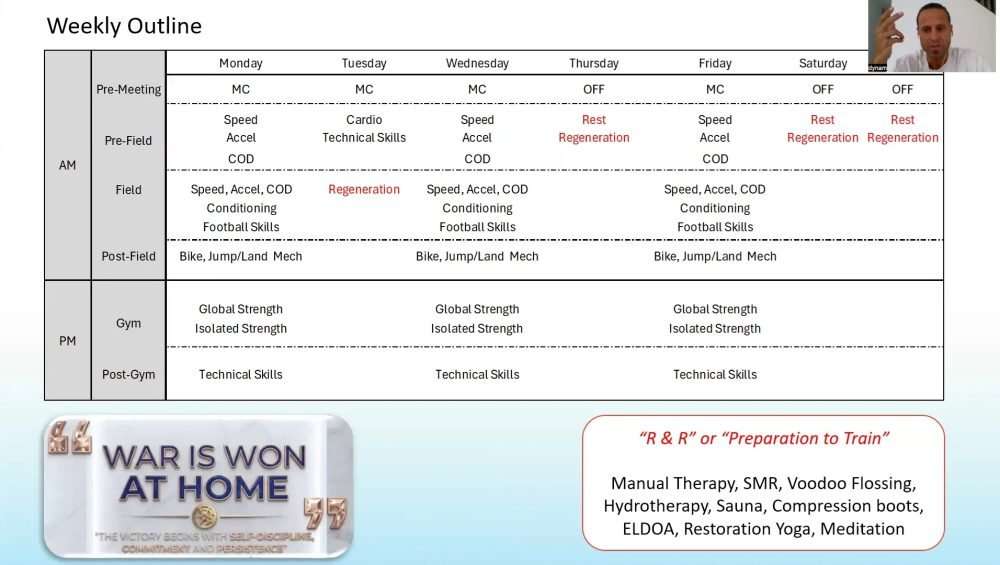
Rehabilitation is not just a short phase of training. Instead, it should be treated as a lifestyle that athletes commit to every single day. As highlighted by Dean Filopoulos, the first three months are crucial in setting the foundation for long term success. In fact, his message is clear: “the war is won at home.” This means that what athletes do outside formal training sessions plays a major role in their recovery. Therefore, consistency in daily habits becomes the difference between slow progress and optimal outcomes.

Early Phase Priorities

During the initial phase, the focus must remain on key recovery goals. Firstly, achieving full knee extension is critical for restoring proper movement mechanics. Secondly, managing swelling and pain helps prevent further complications. In addition, athletes should work on regaining mobility through structured gait training and EMS sessions. As a result, these foundational steps create a stable base for more advanced training later on. Without this phase, progression becomes limited and risky.

Structured Weekly Framework

Moreover, a structured weekly program ensures alignment between athletes and staff. This system is divided into clear performance buckets: Motor Control, Movement, Strength, Conditioning, and Football Skills. By organizing training this way, coaches can track progress more effectively. Consequently, athletes stay focused on specific goals rather than guessing their next step. This clarity improves both confidence and performance.

Building Toward Performance

Finally, daily training follows a consistent schedule that supports long term development. Typically, athletes begin with preparation meetings, followed by field sessions focusing on speed, acceleration, and change of direction. Later, gym sessions alternate between global and isolated strength work. As a result, every component of performance is addressed in a logical sequence. Ultimately, this approach ensures a smoother and more successful return to competition.

Join the Coaches Academy and start building your career in pro sport.

Join Now → https://preparelikeaproacademy.com.au/join-coaches-now/