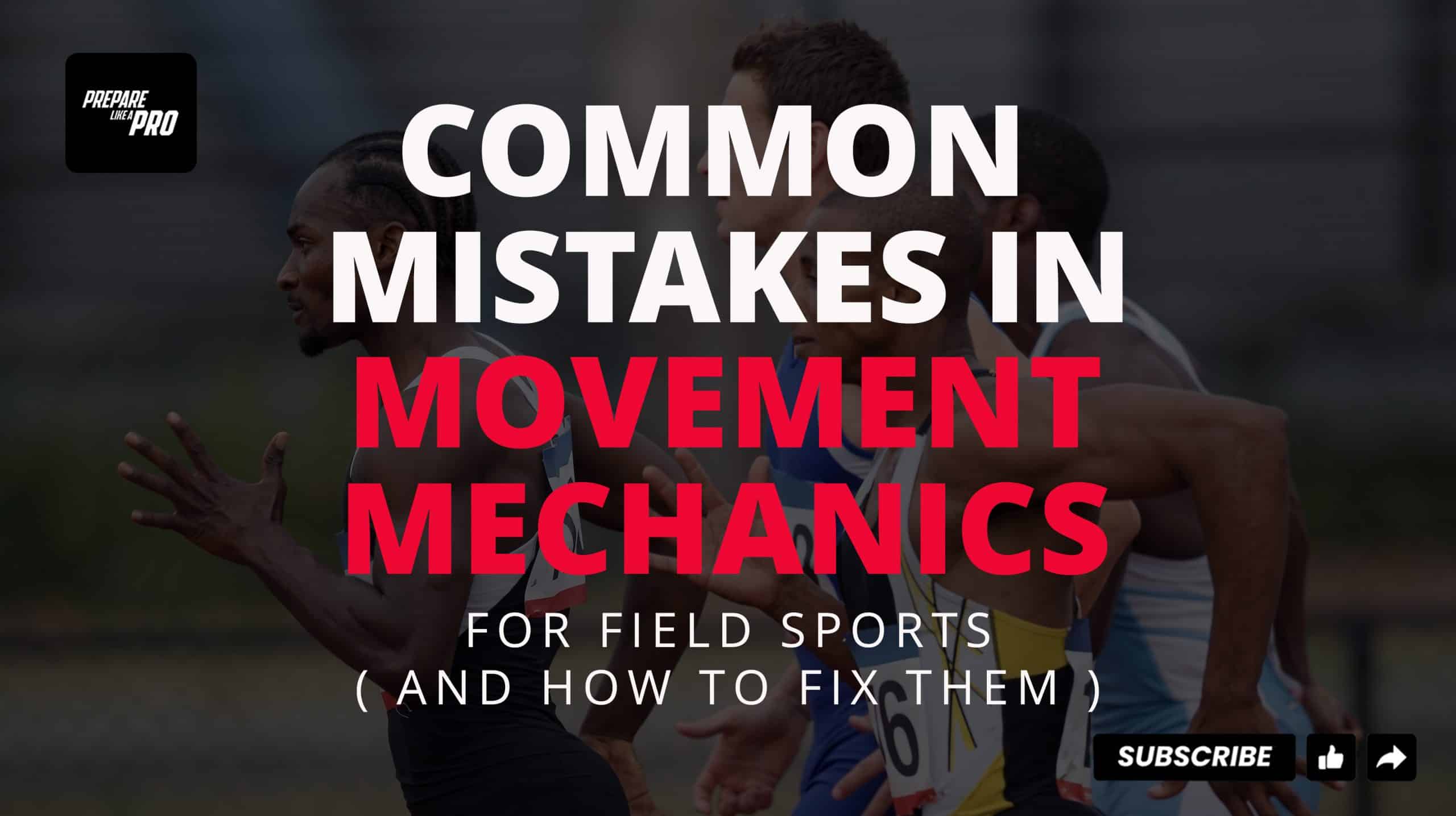
In this podcast, we break down the biomechanics behind speed and injury prevention with a focus on sprint and lateral movement assessments. Learn why a clear technical model matters more than just prescribing drills, how to use tools like kinograms, Sprint Movement Assessments (SMAs), and Cutting Movement Assessments (CMAs) effectively, and how to bucket athletes for smarter group training. Whether you’re a coach, biomechanist, or sports scientist, this episode offers a practical and evidence-based approach to understanding athlete movement and optimizing performance.
Technical Model for Athletes
Why Every Athlete Needs a Technical Model
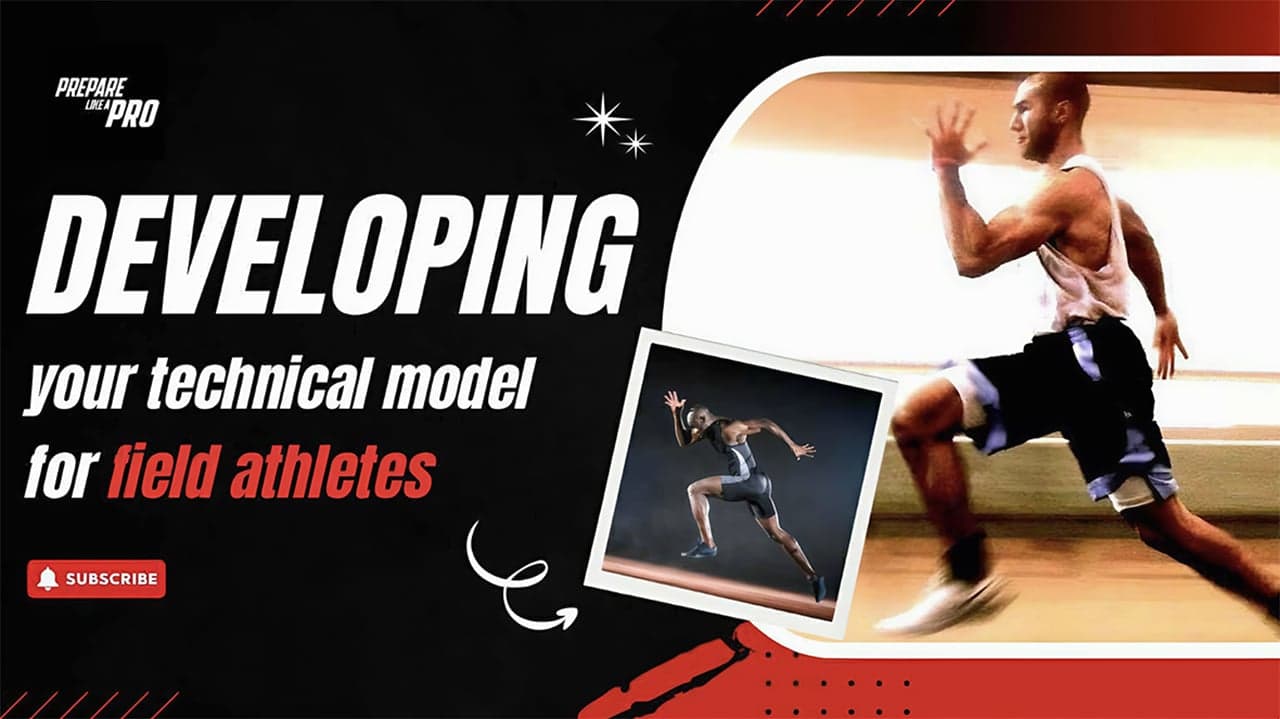
Developing a clear technical model for athletes is essential for purposeful training. Without it, coaches risk prescribing drills randomly, with no link to performance outcomes. A strong model ensures movement efficiency is assessed properly especially for key sprint variables like shin angle, torso position, and ankle stiffness.
Efficient Movement Reduces Risk
When athletes move efficiently, they not only run faster but also reduce their risk of injury. For sports like AFL that demand high endurance, conserving energy through economical movement is a game-changer. This is where having a structured technical model supports long-term performance gains.
Using Simple Tools Like Coggrams
Although coggrams (still images of sprint technique) aren’t perfect due to daily variation in movement, they provide valuable insights. Backed by research, they reveal whether an athlete is more elastic or concentric dominant—helping coaches customize drills without needing high-tech equipment.
Benchmarking with SMAS and CMAS
The Sprint Movement Assessment Score (SMAS) and Cutting Movement Assessment Score (CMAS) offer simple point systems to evaluate movement flaws. A lower score means better technique and reduced injury risk. These frameworks guide coaches in refining both linear and lateral speed.
Bucketing Athletes for Group Coaching
When managing 30+ athletes, individual programs become impractical. Instead, coaches can “bucket” athletes based on their SMAS, CMAS, and strength metrics. For example, one group might focus on improving force production, while another works on movement efficiency.
Highlights of the episode:
✅ Why a technical model matters more than drills
✅ Are kinograms useful or just outdated snapshots?
✅ Sprint Movement Assessments (SMAs)
✅ Cutting Movement Assessments (CMAs)
✅ Grouping athletes for smarter rehab and speed training
Are you ready to enhance your coaching? Uncover the strategies to build a thriving online platform, liberating yourself from the time-for-money constraints while pursuing a career as an AFL S&C coach.
Book a FREE coaches discovery call
https://calendly.com/plp2/15min