strength and conditioning interviewsCategoriesPodcast Strength & Conditioning Coaches Tips

176 – Inside the Interview Room: How to Nail Your S&C Job Interview

What actually makes a candidate stand out in strength and conditioning interviews when a footy club is deciding who to hire? We break down the experience that matters most early in your career, the uncomfortable question clubs ask when you’ve stayed semi-pro too long, and why storytelling beats reciting your programs every time. We also get into how to prepare for strength and conditioning interviews by building a CV that doesn’t bury your best assets under irrelevant detail, plus the one alignment most candidates forget to check before they walk into the room.

How to Nail Your Strength and Conditioning Job Interview

Experience Builds Confidence

Experience is the foundation of strong strength and conditioning interviews. Clubs are not only looking for qualifications; they want evidence that you have worked with athletes, solved problems, and learned from environments. Therefore, seek opportunities, whether they come through internships, community sport, semi-professional teams, or performance support roles. Each setting gives you a story and helps you explain how you coach.

Show the Impact You Made

Next, move beyond listing responsibilities. Explain what you improved. Perhaps you built a monitoring process, refined a training system, or helped an athlete return to consistent training. Describe the situation, your decisions, and the result. This shows you can make the club better, not simply deliver sessions. If you have managed a program, be ready to explain the systems you developed and why they worked.

Own Your Career Story

Interviewers may ask why you have spent years in semi-professional roles without securing a full-time position. Do not become defensive. Give an honest, confident answer that acknowledges your pathway and highlights what it has taught you. Then explain what makes you different, whether that is your coaching philosophy, process-driven thinking, communication, or ability to build trust across staff.

Prepare for the Club

Before the interview, research the club. Study the job description, understand its values, and identify where your experience fits. Likewise, update your CV so it is concise and relevant. Remove unrelated achievements and highlight the roles, qualifications, and skills that support this opportunity. Networking matters too, because relationships open doors and help you understand what the club needs.

Tell Stories They Remember

Finally, use stories instead of vague claims. For example, if an athlete avoided ice baths, explain how you explored the reason, listened to their concerns, built buy-in, and reached a practical solution. That story reveals judgment, empathy, and problem-solving better than simply describing an ice bath protocol. A clear example helps the panel picture you contributing every day.

Highlights of the episode:

– What actually separates elite candidates from everyone else
– The red flag clubs spot in six years semi pro
– Why clubs ask what makes you world-class
– The CV mistake quietly costing you interviews
– The story panels remember more than your ice bath protocol

🎥 Watch full episode on YouTube
🔗 https://www.youtube.com/@preparelikeapro
📅 Book a FREE discovery calls for coaches
👉 https://calendly.com/plp2

Listen Now & Subscribe!

🎧 Available on Spotify, Apple Podcasts, and YouTube
📲 Follow us on Instagram: @preparelikeapro
💡 Learn more at preparelikeapro.com

Listen: iTunes | Spotify

Are you ready to enhance your coaching? Uncover the strategies to build a thriving online platform, liberating yourself from the time-for-money constraints while pursuing a career as an AFL S&C coach.

Book a FREE coaches discovery call
https://calendly.com/plp2/15min
Instant BPPV Dizziness ReliefCategoriesPodcast Strength & Conditioning Coaches Tips

The “Instant” 2-Minute Dizziness Cure (BPPV & Epley Maneuver)

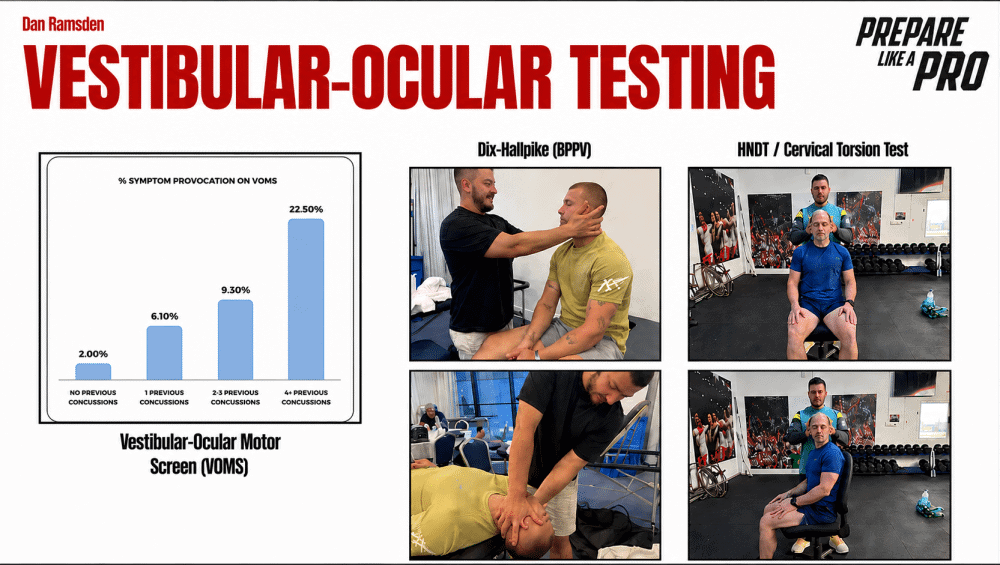
Sudden dizziness can make even simple movements feel overwhelming, especially when it happens every time you stand up, lie down, or turn your head. Instant BPPV dizziness relief is possible when the underlying cause is correctly identified and treated. One of the most effective approaches involves using the Dix-Hallpike test to diagnose benign paroxysmal positional vertigo, followed by the Epley maneuver to reposition tiny crystals in the inner ear. As a result, many people experience rapid improvement and can return to their daily activities with greater confidence.

Instant BPPV Dizziness Relief

Understanding Sudden Dizziness

Feeling like the room is spinning whenever you stand up, lie down, or turn your head can be frightening. However, this type of dizziness is often caused by Benign Paroxysmal Positional Vertigo (BPPV), a common inner ear condition. In the video, the speaker shares a real experience with an athlete who had suffered multiple concussions and later developed severe dizziness during simple movements. Fortunately, identifying the root cause made it possible to provide quick relief.

How BPPV Is Diagnosed

First, the speaker performed the Dix-Hallpike test, a clinical assessment used to determine whether BPPV is causing the symptoms. During the test, the athlete’s dizziness immediately returned, confirming the diagnosis. Therefore, healthcare professionals can use this simple examination to identify positional vertigo and choose the appropriate treatment.

The Epley Maneuver Explained

Next, the speaker performed the Epley maneuver, a sequence of carefully guided head and body movements. This technique helps move tiny calcium crystals inside the inner ear back to their correct location. As a result, the abnormal signals that cause dizziness are reduced or eliminated. Although patients may briefly feel dizzier during the procedure, the improvement can be remarkably fast.

Why Immediate Treatment Matters

Finally, the speaker explains that the Epley maneuver is one of the most rewarding treatments because it often works almost instantly. While it may not be effective for every case, many people experience significant relief after just one session. Nevertheless, anyone with persistent or recurring dizziness should seek evaluation from a qualified healthcare professional to confirm the diagnosis and rule out other medical conditions.

Join the Coaches Academy and start building your career in pro sport.

Join Now → https://preparelikeaproacademy.com.au/join-coaches-now/

Neck Strength Concussion MythCategoriesPodcast Strength & Conditioning Coaches Tips

Debunking the Global Myth of Neck Strength vs. Concussion Risk

Many athletes and coaches believe that stronger neck muscles automatically reduce the risk of concussion, but recent evidence tells a different story. The neck strength concussion myth has gained attention as researchers continue to examine what truly influences head injury risk during sports. While neck strength remains important for rehabilitation and overall cervical health, studies suggest it is not a reliable predictor of concussion prevention. Instead, factors such as neck function, pain assessment, and the ability to activate the neck muscles quickly may play a more significant role. Understanding these findings can help athletes, coaches, and healthcare professionals make better decisions based on evidence rather than common assumptions.

Neck Strength Concussion Myth

Rethinking Neck Strength and Concussion Risk

Many athletes, coaches, and trainers believe that building a stronger neck automatically lowers the risk of concussion. However, current evidence does not support that assumption. Based on the available data, researchers have found no clear relationship between peak neck strength and the likelihood of sustaining a concussion. Therefore, while neck strengthening remains beneficial for overall health and performance, it should not be viewed as a guaranteed strategy for preventing head injuries.

Why Neck Testing Still Matters

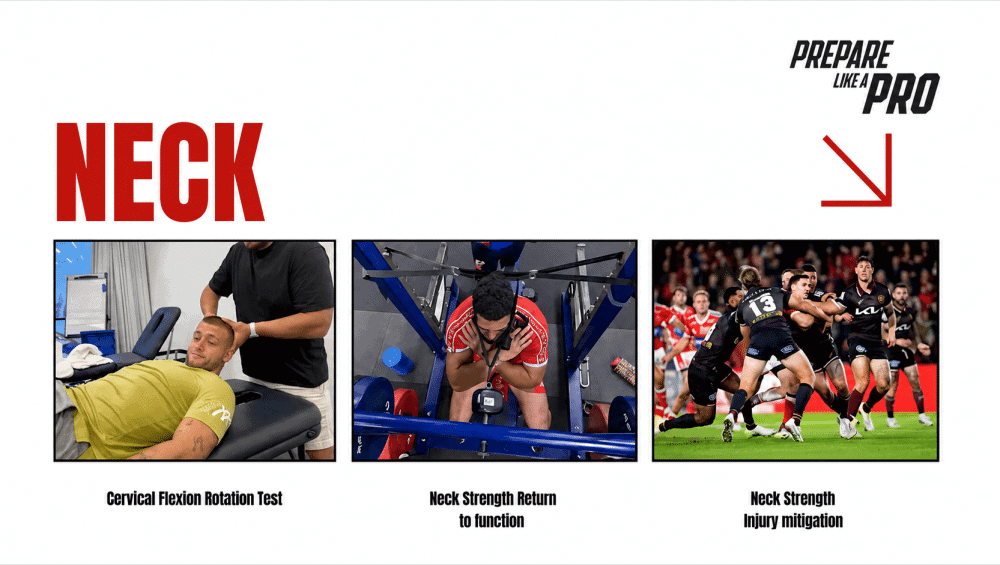
Although peak neck strength may not predict concussion risk, it remains valuable during rehabilitation. After a concussion, healthcare professionals can compare an athlete’s current neck strength with baseline measurements taken before the injury. This approach helps determine whether the athlete has regained normal strength. In addition, clinicians should assess pain and movement limitations because these factors can affect recovery and safe return to play.

The Importance of Cervical Assessment

Another essential part of post-concussion evaluation is the cervical flexion-rotation test. This assessment helps identify neck dysfunction that may contribute to lingering symptoms. Furthermore, addressing cervical problems can improve recovery outcomes and reduce discomfort. As a result, combining strength testing with functional neck assessments provides a more complete picture of an athlete’s condition.

Looking Beyond Peak Strength

Researchers also suggest that neck muscle speed may matter more than maximum force. During tackles or sudden impacts, the neck experiences rapid movement similar to whiplash. Consequently, the ability to activate neck muscles quickly may help stabilize the head more effectively than simply producing greater force. Future research should explore neuromuscular reaction time and dynamic neck control as potential factors in concussion prevention.

Join the Coaches Academy and start building your career in pro sport.

Join Now → https://preparelikeaproacademy.com.au/join-coaches-now/

Hamstring Exercise Adaptation TrainingCategoriesPodcast Strength & Conditioning Coaches Tips

Why Exercise Selection is the Wrong Question to Ask

Training programs often focus too much on finding the “best” exercise. However, effective hamstring training depends more on movement quality, proper stimulus, and athlete-specific adaptation. In Hamstring exercise Adaptation Training, coaches emphasize aligning exercises with the athlete’s current needs, recovery status, and performance goals rather than chasing one perfect movement. Hamstring Exercise Adaptation Training also highlights how individualized programming can improve both performance outcomes and injury prevention. This article explains why coaches should prioritize training goals and individual needs instead of relying on a single exercise for performance and injury prevention.

Hamstring Exercise Adaptation Training

Understanding Hamstring Training

Many athletes and coaches often ask which hamstring exercise is the best. However, the real answer is more complex. According to performance experts, exercise selection is not the most important factor. Instead, the key focus should be on how the athlete moves and what type of training stimulus creates the right adaptation. Therefore, coaches should prioritize movement quality over chasing one perfect exercise.

Why Adaptation Is Important

The body responds differently to training depending on the athlete’s condition and goals. For example, some athletes may need more eccentric strength work, while others may require exercises that improve posture and control. Furthermore, effective hamstring training depends on consistency and progression. Because of this, selecting exercises based on individual needs is more valuable than following trends.

Effective Hamstring Exercises

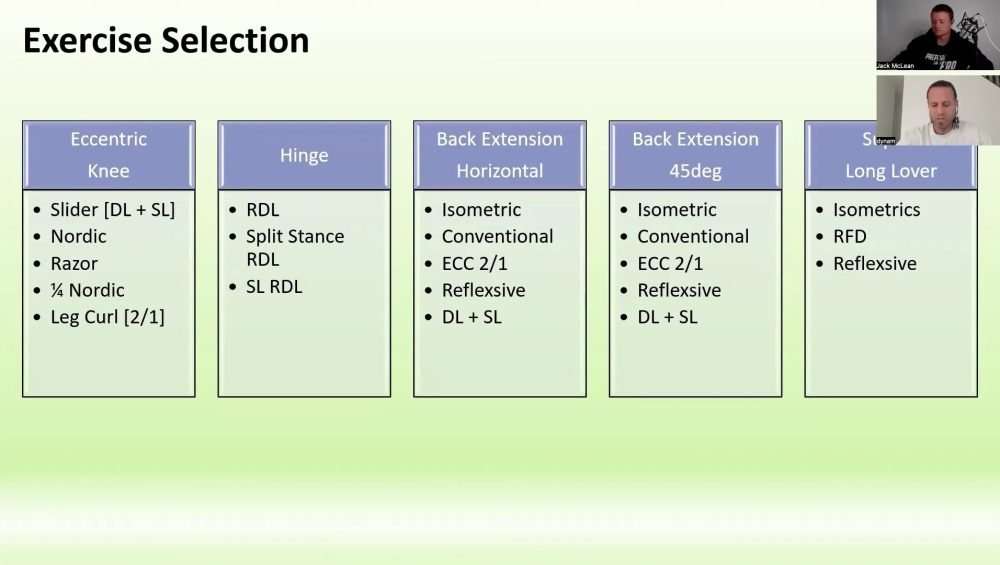
Several hamstring exercises can produce excellent results when programmed correctly. The Nordic hamstring curl is widely supported by research because it may help reduce hamstring injuries. In addition, slider exercises are popular because they challenge stability and eccentric strength. Coaches also use razors, quarter Nordics, and two-up one-down leg curls to create different training adaptations. As a result, athletes can improve strength and resilience through a variety of methods.

Focusing on Athlete Needs

Ultimately, the best hamstring program depends on the athlete rather than the exercise itself. While certain movements are supported by science, no single exercise works for everyone. Instead, successful training comes from matching the exercise to the athlete’s movement patterns and physical demands. Consequently, coaches should build flexible programs that support long-term performance and injury prevention.

Join the Coaches Academy and start building your career in pro sport.

Join Now → https://preparelikeaproacademy.com.au/join-coaches-now/

Hamstring Recovery Performance GuideCategoriesPodcast Strength & Conditioning Coaches Tips

Dean Filopoulos Explains the 4 Phases of Hamstring Reconditioning

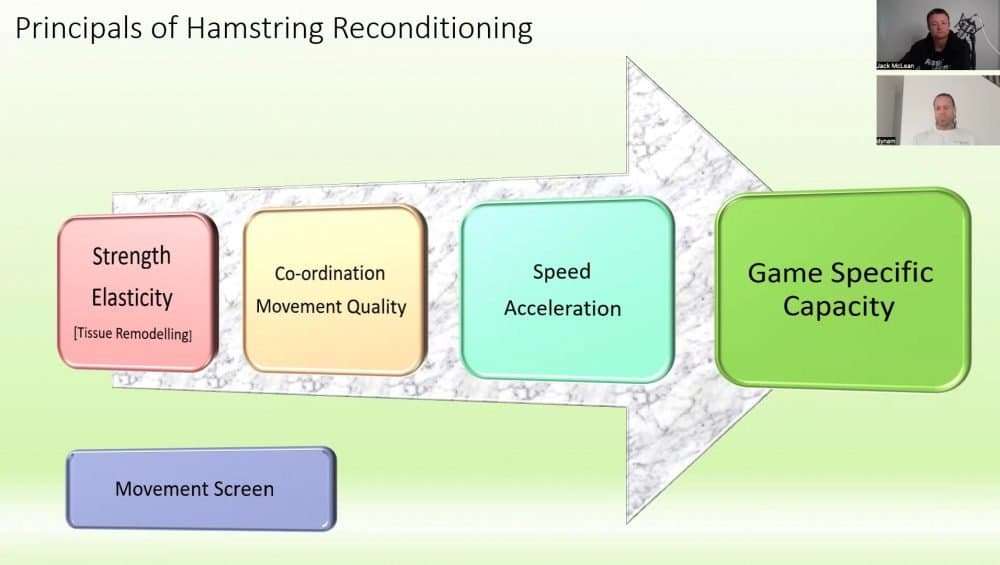
Hamstring injuries are among the most common and frustrating setbacks in sports performance. The Hamstring Recovery Performance Guide emphasizes that successful rehabilitation requires more than rest and basic strengthening exercises. Through the Hamstring Recovery Performance Guide, Dean Filopoulos highlights a complete four phase approach that helps athletes rebuild strength, improve movement quality, develop speed, and safely return to competition. By following a structured recovery process, athletes can reduce reinjury risk while regaining confidence and performance.

Hamstring Recovery Performance Guide

Building Strength First

Hamstring rehabilitation should never begin with speed work alone. Instead, Dean Filopoulos explains that recovery starts with rebuilding strength and restoring tissue capacity. Stronger muscles can better tolerate training loads and reduce the risk of reinjury. Moreover, strength training creates the foundation needed for every phase that follows. Athletes who skip this process often return too early and struggle with recurring problems.

Improving Movement Quality

After strength development, the focus shifts toward tissue remodeling and movement coordination. However, rehabilitation is not only about the hamstring itself. Movement limitations in the hips, pelvis, or lower back may contribute to poor mechanics and additional stress on the hamstring. Therefore, coaches and therapists should assess the entire kinetic chain. Better movement quality allows athletes to move more efficiently and confidently during training.

Developing Speed Carefully

Once athletes regain control and coordination, they can gradually reintroduce speed and acceleration work. Nevertheless, this phase must be progressed carefully. Sudden increases in sprint intensity may overload healing tissues. As a result, controlled sprint drills and progressive acceleration work help athletes rebuild confidence while improving performance. In addition, this stage prepares the body for the explosive demands of sport.

Preparing for Game Demands

The final phase focuses on game specific work capacity. At this point, athletes should train under conditions that closely match competition intensity. Furthermore, conditioning drills should challenge speed, fatigue resistance, and movement efficiency simultaneously. This approach helps athletes return not only healthy but also physically prepared to perform at a high level. Ultimately, successful hamstring rehabilitation is a complete performance process, not simply an injury recovery plan.

Join the Coaches Academy and start building your career in pro sport.

Join Now → https://preparelikeaproacademy.com.au/join-coaches-now/

Mindfulness in Sports BenefitsCategoriesAFL Players Podcast

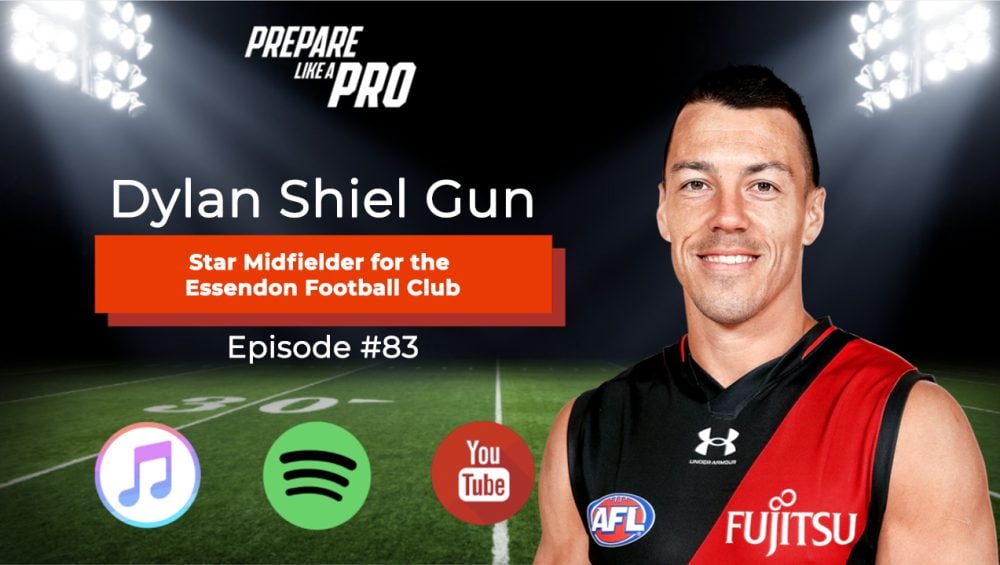
Episode 83 – Dylan Shiel

Mindfulness in Sports: Benefits for Performance and Well-being

In the fast-paced world of sports, the power of mindfulness is often underestimated. Athletes like Dylan Shiel, a gun midfielder for the Essendon Football Club, have recognized the profound impact of incorporating mindfulness training into their routines. Mindfulness in Sports Benefits Shiel, who initially found the concept overwhelming, now attests to its effectiveness in enhancing his performance and mental well-being.

Dylan is a professional Australian rules footballer playing for the Essendon Football Club. He attended Caulfield Grammar School, graduating in 2010, and played his juniors at Dandenong Stingrays in the TAC Cup. He has played a total of 180 games, 135 with GWS and 45 with Essendon. Mindfulness in Sports Benefits

Highlights from the episode:

  • Mindfulness training
  • How he works on his weaknesses during the offseason
  • What he does before a game that benefits him
  • His plan for life after footy
  • How to boost team morale for next week’s game after a loss
  • How he trains for explosiveness

The Misconception: Mental Toughness vs. Mindfulness

During his early days, Shiel, like many others, believed that seeking help from a psychologist at the football club was a sign of mental weakness. The prevailing notion was that mentally tough players should suppress and compartmentalize their issues. However, Shiel now understands that this approach can be detrimental to mental health. Acknowledging and addressing mental health concerns is a crucial step towards better performance on the field.

Solo Training and Self-Motivation

Shiel has developed a habit of training on his own, especially during the offseason. This solo training allows him to focus on building his fitness and strength while enjoying some valuable alone time. Being a highly motivated individual, he thrives in this independent training environment. However, he also recognizes the importance of teamwork and occasionally collaborates with teammates to work on specific football-related skills.

Flexibility in Pre-Game Rituals

With the disruptions brought about by the COVID-19 pandemic, Shiel has learned to adapt and be more flexible in his pre-game routines. He no longer feels the need for everything to be perfect and understands that minor deviations from his routine won’t significantly impact his performance. The one non-negotiable aspect of his pre-game preparation is ensuring he gets a good night’s sleep. Sleep, he believes, is the cornerstone of optimal performance, cognition, and alertness.

Life Beyond Football: Balancing Aspirations

While Shiel is committed to his football career, he also looks ahead to life after retirement. He is currently pursuing a commerce finance degree, which he aims to complete in the near future. Post-football, Shiel envisions a year of overseas study in Europe, immersing himself in a new environment with his family. His long-term plan is to integrate his financial acumen into a post-football career, but he remains open to the possibilities that lie ahead.

Bouncing Back: Overcoming Poor Performances

Every athlete faces moments of adversity, and Shiel is no exception. When asked about bouncing back from a poor game or a narrow loss, he emphasizes the importance of swift acknowledgment and acceptance. It’s crucial to dissect the game, identify areas for improvement, and then promptly shift focus to the next match. Dwelling on past performances only hinders future success, and the ability to let go of setbacks is a hallmark of a resilient athlete.

Explosiveness in Action: Training Tips

For athletes looking to enhance their explosiveness on the field, Shiel offers a simple yet effective piece of advice: if you want to run fast, train to run fast. He emphasizes incorporating high-explosive movements in the gym, complementing strength exercises with powerful, dynamic motions. Additionally, Shiel highlights the significance of training movement efficiency, an aspect he’s been refining with the help of his coach, Mark McGrath. By focusing on the quality of movement, athletes can unlock their full potential in terms of speed and agility.

In Conclusion: Harnessing the Power of Mindfulness

Dylan Shiel’s journey in professional sports is a testament to the transformative power of mindfulness. By embracing mental health awareness and adopting mindful practices, athletes can elevate their performance while safeguarding their mental well-being. Whether it’s solo training, flexible pre-game routines, or a commitment to continuous improvement, Shiel’s approach serves as an inspiration for athletes looking to excel both on and off the field. Mindfulness in sports is not just a trend; it’s a game-changer.

People mentioned:

  • Gregg Merideth 
  • Kevin Sheedy 
  • Mark Williams
  • Nik Cox
  • Archie Perkins
  • John Patton
  • Lachlan Wilmott
  • John Quinn
  • Robert Harvey
  • Alex Natera
  • Mark Mcgrath
  • Tom Scully
  • Ross Lyon
  • David Read
  • Ben Rutten
  • Callan Ward
  • Troy Simmonds
  • Kobe Bryant
  • Michael Jordan
  • Bruce Lee
  • Shane Richardson

Connect: https://www.instagram.com/dylanshiel/

𝐏𝐫𝐞𝐩𝐚𝐫𝐞 𝐋𝐢𝐤𝐞 𝐀 𝐏𝐫𝐨

Prepare Like a Pro is a strength and conditioning platform that works with developing footballers and strength and conditioning coaches. To empower you with best practice physical preparation methods.

Subscribe to our YouTube channel to watch these live chats

And if you want to get more involved with our community and make a guest appearance on a future episode join our Academy on Patreon.

Thanks for tuning in and be sure to contact us for any inquiries or to discuss advertising your brand on the Prepare Like a Pro platform 

Visit: https://linktr.ee/preparelikeapro

Listen: iTunes | Spotify

Collagen Supplementation Athlete PerformanceCategoriesPodcast Sports Psychologists and Dietitians

Episode 82 – Rebekah Alcock

Enhancing Athlete Performance with Collagen Supplementation

As athletes, we’re constantly seeking ways to improve our performance and prevent injuries. One often overlooked but crucial aspect of athlete nutrition is collagen supplementation. Collagen, the most abundant protein in the body, plays a vital role in connective tissues, skin, bone, and more. Collagen supplementation athlete performance can be a game-changer in optimizing your physical capabilities.

In this article, we’ll delve into the science behind collagen and its potential to revolutionize your athletic journey.

Rebekah, a distinguished figure in the field of sports nutrition, brings a wealth of expertise to this discussion. With a background that includes stints at the Melbourne Rebels, Melbourne Storm, and the ACT Brumbies, her experience is unparalleled. Rebekah’s Ph.D. on nutrition support for connective tissues in athletes, earned at the prestigious Australian Institute of Sport, further solidifies her as a leading authority in this domain.

Currently, she consults for the Western United Football Club and spearheads the emerging athletes program at Latrobe University (LEAP). In the coming year, Rebekah is poised to take on a full-time role as a lecturer and researcher in sports nutrition at Latrobe University, where she will continue to shape the performance nutrition program for LEAP, propelling the next generation of athletes toward success. With Rebekah’s insights and our exploration of collagen supplementation athlete performance, you’re about to embark on a journey that could redefine your athletic potential.

Highlights from the episode:

  • Timing to prevent injury
  • Role of nutrition in injury prevention
  • Recommended collagen intake for athletes
  • Food choices to get collagen
  • Protein intake post-training
  • Resources on healthy eating and nutrition

Understanding the Timing: A Critical Factor

Timing is everything, especially when it comes to collagen supplementation for athletes. Research suggests that the optimal time to consume collagen is when blood flow is at its peak, typically around 30 to 40 minutes post-exercise. This ensures that the essential amino acids in collagen are delivered efficiently to the tissues that need them the most. The strategic timing of collagen intake can significantly contribute to strengthening connective tissues and preventing injuries.

Collagen: The Unsung Hero of Connective Tissues

Connective tissues are the unsung heroes of an athlete’s body. Ligaments and tendons, crucial for joint stability and movement, are often poorly supplied by blood. This is where collagen comes into play. By providing the necessary building blocks, collagen supplementation can enhance the integrity of connective tissues, reducing the risk of injuries that can sideline even the most dedicated athletes.

Dosage Dilemma: How Much Collagen is Enough?

Determining the ideal dosage of collagen for athletes is a topic of ongoing research. Current recommendations hover around 15 to 20 grams, but it’s essential to consider factors such as body mass, gender, and age. While more research is needed to fine-tune these guidelines, aiming for this range is a good starting point. Remember, consistency in intake is key to reaping the benefits of collagen supplementation.

Food vs. Supplements: Making the Right Choice

While supplements offer a convenient way to incorporate collagen into your diet, some athletes prefer obtaining nutrients from whole foods. Collagen-rich food sources like gelatin can be a valuable addition to your nutrition plan. However, it’s worth noting that achieving the recommended dosage solely through food can be more challenging. Opting for a combination of both supplements and collagen-rich foods can provide a comprehensive approach to optimizing performance.

The Protein Puzzle: Post-Workout Myths Unraveled

Protein intake post-workout has long been a subject of debate in the fitness industry. While there’s no magical “window” of opportunity, it’s essential to focus on the overall distribution of protein throughout the day. Ensuring a steady supply of protein, starting from breakfast and including regular snacks, supports muscle recovery and growth. With an array of high-protein food options available, athletes can easily meet their protein requirements.

Educating Yourself: Trusted Resources for Athlete Nutrition

For athletes looking to dive deeper into the realm of nutrition, reputable resources are invaluable. Sports Dietitians Australia provides informative fact sheets tailored to different sports, covering training diet, body composition, and more. For those seeking a more scientific approach, the Gatorade Sports Science Institute offers comprehensive research summaries. These resources empower athletes to make informed decisions about their nutrition, ultimately enhancing their performance on the field.

Unlock Your Athletic Potential with Collagen

Collagen supplementation is a promising frontier in athlete nutrition. By understanding the science behind collagen, optimizing timing and dosage, and considering both food and supplement sources, athletes can harness the power of this essential protein. Remember, consistency is key, and education is your greatest ally in this journey towards peak performance. Embrace the potential of collagen and take your athletic prowess to new heights!

People mentioned:

  • Max Gawn
  • Emily Meehan
  • Dominique Condo
  • Ben Serpell
  • Greg Shaw
  • Louis Burke
  • John Moors
  • Ricardo Costa

Connect Instagram:

Rebekah Alcock: https://www.instagram.com/bek.alcock.dietitian/

Listen: iTunes | Spotify