Tim SchleigerCategoriesFooty Tips High Performance Podcast

Prepare Like A Pro Features Tim Schleiger

Professional Background

Tim Schleiger is the Founder and Director of The Sports Clinic Melbourne. He holds the crucial responsibility of coordinating The Sports Clinic’s wide range of services through his professional team of physiotherapists, exercise physiologists, corrective exercise trainers, physical therapists, masseurs, acupuncturists, and sports scientists.

 The Sports Clinic has a comprehensive history that spans over two decades as one of Melbourne’s leading rehabilitation facilities. The duo of Tim Schleiger and Peter Ellis founded the company in 1996 with the goal of creating a unique holistic approach to rehabilitative and functional performance that integrated many disciplines. This has grown into one of Melbourne’s foremost exercise-based rehabilitation centers, serving a diverse spectrum of clients such as professional athletes, corporate executives, weekend warriors, and a variety of pre and post-operative patients.

 The Sports Clinic is proud of these foundations, as well as the fact that it has expanded organically over the past 20+ years to currently include a well-respected staff of physiotherapists, performance coaches, exercise physiologists, myotherapists, Pilates teachers, and strength and conditioning coaches.

 The goal at the Sports Clinic is to guarantee that clients not only return to physical activity but also have the tools they need to fulfill their maximum physical potential. The Sports Clinic has the ability to draw out a holistic but personalised rehabilitation plan, so it’s not just about the treatment. When combined with the work of the Physiotherapists, The Sports Clinic ensures that the customers receive the best outcomes possible. The facility ensures that everyone’s rehab and subsequent training program is personalized to their exact individual needs by cooperating with their surgeons, doctors, athletic clubs, and player representatives.

Expertise

Tim has a breadth of practical expertise in human movement, biomechanics, applied science, sports massage, and as a strength and conditioning coach. He also possesses a variety of university certifications in these areas. Tim has advised outstanding international athletes and top sporting organizations in soccer, cricket, AFL, tennis, snow sports, and a variety of summer Olympic sports during the course of his 25-year career. He has also worked as an AFL conditioning coach to many of the league’s top stars.

 Tim Schleiger is also a co-founder of the Train 247 Fitness clubs and VIC Active, a collection of industry veterans with over 100 years of experience that own and runs fitness facilities in Victoria (metro & regional). Government relations and policy advocacy experts back the group, which is supported by prominent medical advisors in epidemiology, infectious diseases, and community medicine.

Life Story

Tim was born in a Melbourne suburb. Doncaster, Fawkner, and South Melbourne Hellas were his junior soccer clubs. He represented Victoria at the junior level for several years before moving on to the South Melbourne Youth Team. In his dedication to the game, as well as in the determination and self-sacrifice necessary to thrive at it, his passion for the sport was always apparent to everyone. In addition to a loan spell at Croydon City, he made a few senior team outings with Southend United.

Tim was forced to retire at the young age of 22 due to severe ailments. For most, this would be the end of their sporting career; however, for Tim, this was only a stumbling block, and from what the man has achieved after his career, the tale is only going to get better from here. He went on to pursue a career in physical therapy and as a strength and conditioning coach in Melbourne. With the help of his own physiotherapy clinic and top sports consultancy company, he was able to go back into soccer.

He worked as a Melbourne strength and conditioning coach and consultant for the Melbourne Heart in the club’s early years, and he also had one-on-one sessions with many of the club’s Golden Generation players, including John Aloisi, Harry Kewell, Vince Grella, Marco Bresciano, and Carl Valeri, among others.

The responsibility of getting strength training recognized falls on strength coaches like Tim. If strength training is to gain the recognition it deserves, strength coaches must show the benefits of strength training through evidence  Tim’s role with The Sports Clinic Melbourne includes strength and conditioning programs for athletes as well as developmental strength training programs designed especially for children and adolescents. As a strength coach to The Sports Clinic Melbourne, Tim‘s strength training programs don’t just focus on one sport or one type of athlete but are general strength conditioning programs that cover a wide range of sports and athletes.

“Every strength training program is tailored to the athlete,” says Tim. “It’s a program that involves strength, speed, agility, flexibility, and power in all types of sports.” This includes strength training for cricket bowlers, strength training for AFL players as well as strength and conditioning programs for elite athletes in other sports. Each session lasts 30 minutes and is designed to cover strength, speed, and agility.

While strength endurance and strength resistance are the most important aspects of strength training, Tim recommends that coaches consider this: “Most strength training happens outside the gym so you need to look at strength conditioning in terms of sports performance.”

Strength training involves a combination of strength endurance – which means being able to repeatedly do strength training exercises – and strength resistance, which involves strength training for specific strength tasks.

Tim’s training programs have also been designed for teenagers, who can find strength training particularly challenging – especially if they come from a sports background where strength is not valued.

There are also strength sessions specifically designed for children and adolescents as well as strength and conditioning programs that involve a team of athletes from different sports. In this way, strength coaches can involve strength training for soccer, strength conditioning for tennis, strength exercises for basketball, and strength programs for track and field athletes.

These strength programs are not strictly aimed at developing strength power – which is demonstrated by sport-specific strength tasks such as a vertical jump or standing high jump but instead focus on strength endurance and strength resistance.

Resources:

LinkedIn/Tim-Schleiger
LinkedIn/the-sports-clinic-of-melbourne
The Sports Clinic of Melbourne website
VIC Active website

Be updated with the new trends. Listen to your favorite athletes and learn from reliable coaches. Subscribe to Prepare Like A Pro Youtube and Podcast!

Jack Russell: High-Performance ExcellenceCategoriesHigh Performance Podcast

Episode 42 – Andrew Russell

Unlocking Performance Excellence: The Journey of High-Performance Director Jack

In the world of Australian Rules Football, success isn’t just measured by the goals kicked or the tackles made; it’s about the meticulous work behind the scenes, ensuring athletes are in their prime physical and mental state. Andrew Russell, affectionately known as Jack Russell: High-Performance Excellence, stands at the forefront of this commitment to excellence as the High-Performance Director of the Carlton Football Club.

Our guest for Episode 42 of the Prepare Like A Pro Podcast is The High-Performance Director of the Carlton Football Club — Andrew Russell. After graduating, Andrew obtained his first major sporting role as an assistant conditioning coach with the Essendon Football Club. The club won the premiership in 2000, giving the limelight to Andrew which resulted in him being “head-hunted” by the rival football club, the AFL club, Port Adelaide.

He took up the role of Head Fitness Coach with Port Adelaide a year that paved the way to winning its Premiership in 2004. Andrew moved back to Victoria to the Hawthorn Football Club as a High-Performance Manager. He was known as “Jack” later on. Jack Russell: High-Performance Excellence has constantly undertaken professional development to improve his effectiveness, and to this date, has been involved in six AFL premierships.

He has also coached Jeff Riseley, an accomplished Australian middle-distance runner to a World Championship 800 metre semi-final and a 5th place at the Commonwealth Games. Something notable about Jack Russell: High-Performance Excellence is that he leads by example by undertaking his endurance running training which has allowed him to compete at events such as the Stawell Gift.

Jack Russell: High-Performance Excellence, the driving force behind Carlton Football Club’s pursuit of greatness.

Highlights from the episode:

  • His love for competition and a high-performance environment.
  • His mentors along his journey such as John Quinn and Mark McGrath (check out their awesome interviews in our podcast list!).
  • His insight into his approach to preparing for AFL football includes the training, recovery, and mental side.

In this episode you will learn:

  • Jack’s football journey.
  • The changes he has seen over his 20-year career in the AFL.
  • How he values education and how he goes about refining his craft.
  • The importance of living an elite lifestyle and asking lots of questions.
  • The things that worked and haven’t worked throughout his career.
  • The importance of team cohesion amongst the strength & conditioning, medical & coaches’ staff.
  • The importance of having an individualized strength & conditioning program for working on your strengths as well as managing past injuries.
  • What Jack would be doing if he wasn’t working in the AFL?

The Early Days: From Assistant to Premiership Glory

Jack’s journey in the world of football began as an assistant conditioning coach at the Essendon Football Club. It was here that he laid the foundation for his career, learning the intricacies of preparing athletes for the demands of elite-level sports. His dedication and expertise did not go unnoticed, and soon, he found himself at the Port Adelaide Football Club.

It was at Port Adelaide that Jack’s influence reached its pinnacle, contributing significantly to their premiership win in 2004. This triumph was not just a testament to the players’ skills on the field but also a reflection of the behind-the-scenes efforts to optimize their physical and mental capabilities.

A Legacy of Success: Six AFL Premierships

Jack’s commitment to excellence has been a consistent theme throughout his career, marked by involvement in six AFL premierships. His journey has taken him through different clubs, each time leaving an indelible mark on the team’s performance. From Essendon to Port Adelaide and now at Carlton, Jack’s influence extends beyond just conditioning; it encompasses a holistic approach to athlete development.

The Mind-Body Connection: Emphasizing Mental Fitness

In a world where physical prowess is often the focus, Jack Russell stands out for his emphasis on the mind’s role in sports performance. Recognizing the interconnected nature of physical and mental well-being, he has undertaken formal training in psychology to complement his wealth of experience.

The mind, Jack believes, is a powerful tool that can elevate an athlete’s performance to new heights. His incorporation of psychological principles into training programs reflects a forward-thinking approach that goes beyond traditional conditioning methods.

Creating a Winning Culture: Jack’s Leadership Philosophy

When Jack joins a new club, his focus extends beyond the gym and training field. He understands that creating a winning culture requires more than just physical preparation. Jack places a strong emphasis on creating a safe and inclusive environment for athletes and staff.

Aligning his philosophy with the coach’s vision, Jack emphasizes individualized approaches tailored to each athlete’s unique strengths and challenges. This personalized approach fosters a sense of trust and camaraderie within the team, a crucial element in achieving sustained success.

Continuous Learning: The Key to Longevity

In the ever-evolving world of sports science and performance optimization, Jack Russell stands as a perpetual learner. He recognizes the importance of staying abreast of the latest developments in sports science, nutrition, and psychology. This commitment to continuous learning ensures that his methods remain at the cutting edge, providing athletes with the best possible support for success.

Conclusion: A Champion Behind the Scenes

As we celebrate the feats of athletes on the field, it’s essential to recognize the unsung heroes working tirelessly behind the scenes. Andrew Russell, aka Jack, epitomizes the dedication and expertise required to unlock peak performance. From his early days as an assistant coach to his current role as High-Performance Director, Jack’s journey is a testament to the profound impact one individual can have on an entire sporting organization.

People mentioned:

  • Finn Russell
  • Alastair Clarkson
  • Ricky Ponting
  • Vern Gambetta
  • Vern Mcmillan
  • Mark Mcgrath
  • Mark Williams
  • Phill Walsh
  • Michael Phelps
  • Cathy Freeman
  • Josh Francou
  • Peter Burgoyne
  • Stuart Dew
  • Loris Bertallaci
  • Sam Walsh
  • Sam Mitchell
  • Kane Cornes
  • Cyril Rioli
  • Lance Franklin
  • John Quinn
  • James Hanson
  • Sean Murphey
  • Luke Boyd
  • Phill Meareman

Listen: iTunes | IGTV | Spotify 

Unlocking Excellence in CoachingCategoriesHigh Performance Podcast

Episode 40 – John Quinn

Unlocking Excellence: The Coaching Journey of John Quinn

In the world of elite coaching, few names resonate as strongly as John Quinn. Unlocking Excellence in Coaching, Quinn’s journey spans over three decades and encompasses a diverse range of sports. His life, philosophy, and achievements form a remarkable narrative that has left an indelible mark on the realm of high-performance coaching.

In this episode of the Prepare Like A Pro Podcast, I am speaking to John Quinn, a key figure in high-performance coaching. Unlocking Excellence in Coaching, Quinn has served as the High-Performance manager at two AFL clubs, bringing his expertise and leadership to the forefront. Recruited for his athletics, Quinn’s journey from a local butcher at the age of 17 to becoming a leader in his field is an inspiring tale. We delve into his love for athletics, the mentors who shaped his path, and his evolution from a local butcher to a respected peer in the coaching community. John shares insightful perspectives on preparing elite athletes year-round, emphasizing the importance of posture, mobility, and technique.

Unlocking Excellence in Coaching, John Quinn provides valuable insights into his approach to coaching elite athletes. His wealth of experience and dedication shine through as he discusses the intricacies of preparing athletes for peak performance. This podcast episode captures the essence of Quinn’s coaching philosophy, shedding light on the principles that have contributed to his success and influence in the world of high-performance coaching.

Highlights from the episode:

  • John’s coaching career journey from start to now.
  • He learned from traveling around the country & world with experts in their field.
  • How his Kevin Sheedy connection and ability to think outside the box helped lead Essendon FC to team success in 1999 and 2000.
  • John discusses the importance of having a people-first-athlete-second approach and the importance of an individualized strength & conditioning program.
  • John goes into great detail about what has worked and what has and hasn’t throughout his career.
  • How he values relationships.
  • John shares plenty of tips and tricks for young developing footballers & staff.

From Fields to Track: Quinn’s Sporting Odyssey

Quinn’s early life was steeped in the sporting culture of Canberra. Growing up in a town where rugby league and cricket ruled the seasons, his passion for sports was ignited. Little did he know that these humble beginnings would pave the way for a career that touched the pinnacles of success.

His journey took an unexpected turn when he discovered a love for coaching while leading a junior rugby league team. This experience ignited a passion for athletics that would shape the trajectory of his career. Traveling across New South Wales, Quinn tirelessly promoted athletics, setting up clubs, running clinics, and leaving an indelible mark on the communities he touched.

AFL and Beyond: Quinn’s Stint at Essendon

Quinn’s coaching acumen didn’t go unnoticed, leading to a pivotal moment in his career – an invitation to work with the Essendon Football Club. In a twist of fate, a coach with no prior exposure to AFL found himself at one of the biggest clubs in the country. His unconventional approach to conditioning and performance caught the eye of Essendon’s leadership, and he quickly ascended the ranks.

Reflecting on his time at Essendon, Quinn shares anecdotes of overcoming skepticism and implementing unique training methods. From explosive hill reps to scientific recovery strategies, his approach revolutionized the conditioning of AFL players. Under his guidance, Essendon embraced a new era of fitness and performance, challenging preconceived notions about AFL training.

Sheedy, Success, and Shaping Future Athletes

Quinn’s collaboration with legendary coach Kevin Sheedy played a pivotal role in Essendon’s success. The duo’s synergy and shared vision propelled the team to new heights, challenging traditional norms within the AFL. Quinn’s emphasis on the individual, coupled with Sheedy’s leadership, created a formidable combination that left an enduring legacy.

Beyond Essendon, Quinn’s journey continued with the Greater Western Sydney Giants. His efforts to promote AFL and develop talent echoed his early experiences with athletics. Quinn’s commitment to grassroots development and his alignment with the University of Western Sydney laid the groundwork for future innovations in sports science.

Innovations and the Future: Quinn’s Vision for Athletics

Quinn’s impact extends beyond the field, evident in his foray into sports technology. His involvement in a groundbreaking study using glasses to enhance visual analysis has the potential to revolutionize how we perceive and understand sports. This innovation not only benefits athletes but also opens new possibilities for the broader sporting community.

As Quinn continues to shape the future of Australian track and field, his passion for athlete development remains unwavering. The lessons learned from his mentors, experiences at Essendon and GWS, and commitment to simplicity in coaching all contribute to his enduring legacy.

Conclusion: A Coaching Odyssey Unveiled

John Quinn’s coaching odyssey is a testament to the transformative power of passion, innovation, and a relentless pursuit of excellence. From Canberra’s rugby league fields to the pinnacle of AFL, Quinn’s journey has inspired and continues to shape the next generation of athletes and coaches.

As we unravel the layers of Quinn’s coaching philosophy and career, one thing becomes clear – excellence is not a destination but a journey, and John Quinn’s journey is a beacon for those aspiring to unlock their full potential.

People mentioned:

  • Lael Kassem
  • Andrew Sharp
  • Cathy Freeman
  • Don Parks
  • Usain Bolt
  • Carl Lewis
  • Tom Tellez
  • Tony Rice
  • Peter Schinnick
  • Bendere Oboya
  • Peter Bowman
  • Peter Taylor
  • Kevin Sheedy
  • James Hird
  • Muhler Wolfhardt
  • Julian Fellar
  • Matthew Knights
  • Matthew Carazzo
  • Chris Judd
  • Graeme Arnold
  • Harry Kewell
  • Mark Viduka
  • Darren Burgess
  • Mat Oneil
  • Jock Campbell
  • Andrew Demetriou
  • Graham ‘Gubby’ Allan
  • Andrew Russell
  • Loris Bertalacci
  • Andrew Lambart
  • Garry Davidson

Listen: iTunes | IGTV | Spotify 

Elite Athlete Conditioning StrategiesCategoriesHigh Performance Podcast

Episode 38- Selwyn Griffith

Unveiling the Secrets of Elite Athlete Conditioning: A Conversation with Selwyn Griffith

As the curtain rises on elite athlete conditioning, we immediately delve into insights from Selwyn Griffith, the Head Strength and Conditioning Coach for the Melbourne Football Club. Griffith, with a career spanning from football player to performance coach, shares a unique perspective on athlete development and rehabilitation, with a particular emphasis on Elite Athlete Conditioning Strategies.

Griffith discusses his journey into strength and conditioning in elite sport, starting as an Osteopath at the Brisbane Lions. Elite Athlete Conditioning Strategies became a focal point in his transition, recognizing the importance of comprehensive approaches to enhance performance. Early experiences laid the foundation for his understanding of the role these strategies play in optimizing athletes’ physical capabilities.

Continuing to unravel Griffith’s insights, the significance of Elite Athlete Conditioning Strategies becomes evident. Griffith’s evolution from player to Head Strength and Conditioning Coach has been marked by a commitment to staying at the forefront of sports science. These strategies form the bedrock of his coaching philosophy, underlining the importance of tailored approaches to meet athletes’ unique needs.

In the realm of elite athlete conditioning, Selwyn Griffith stands as a beacon of expertise, emphasizing the paramount importance of these strategies. His journey showcases the transformative power of these strategies in shaping athletes and the sports performance landscape. As we conclude our exploration into Griffith’s insights, the resonance of Elite Athlete Conditioning Strategies serves as a testament to their enduring impact on elite sports.

Highlights from the episode:

  • Importance of developing your one wood first before expanding to other roles ie, for example, Selwyn focused on doing his role as osteo and manual therapy ie how to incorporate the latest research into an elite setting
  • Why understanding your role and working environment is so important for performance, why medical practitioners need to understand strength & conditioning methods & principles
  • Tips and tricks for developing footballers
  • Why presenting your methods can help your growth
  • How Selwyn believes movement is medicine and how this applies to reconditioning athletes for return to performance
  • Selwyn’s role at the Melbourne football club and how he’s excited to run workshops, and seminars under his business athletic approach

Introduction

Elite athlete conditioning is a multifaceted realm that extends beyond physical prowess, encompassing psychological resilience and strategic reconditioning. Selwyn Griffith’s journey mirrors this complexity, transitioning from a promising football career cut short by injury to becoming a key figure in the success of athletes under his guidance.

Discovering Passion Amidst Setbacks

In the backdrop of Melbourne, Griffith’s passion for the fitness industry took root during the aftermath of a career-altering wrist injury. The setback acted as a catalyst, redirecting his trajectory from player to practitioner. This pivotal moment, some 14 years ago, laid the foundation for a career devoted to enhancing athletes’ physical and mental capabilities.

Choosing Osteopathy and Elite Aspirations

The decision to pursue osteopathy over physiotherapy was influenced not only by the ease of admission but also by the unique focus on individual interviews. Griffith was well aware that integrating osteopathy into elite sports was not a conventional path. Nevertheless, armed with a vision and determination, he embarked on a journey that would lead him to the forefront of athlete conditioning.

Performance-Focused Paradigm Shift

Griffith’s tenure at the Brisbane Lions marked a significant phase in his career. The transition from manual therapy to a performance and rehabilitation focus reflects an evolving paradigm in athlete care. Here, he discovered the power of off-table interventions, emphasizing that true performance enhancement goes beyond what can be achieved through hands-on treatments.

Continuous Learning and Collaboration

In the ever-evolving landscape of sports science, Griffith highlights the importance of continuous learning and collaboration. Mentored by seasoned professionals and benefiting from performance-focused programs, he underscores the significance of staying attuned to industry changes and integrating optimal practices into athlete development strategies.

Reconditioning Strategies and Rehabilitation

Griffith’s expertise lies in accelerated reconditioning strategies and return-to-play performance. His insights into rehabilitating athletes extend beyond the physical, delving into the psychological aspects of recovery. The delicate balance between pushing athletes to their limits and ensuring a safe and effective return to play is an art that Griffith has mastered.

Empowering Athletes Through Movement

One of Griffith’s key philosophies is the belief that movement is medicine. Regardless of the injury type, maintaining movement and instilling confidence in athletes early in the rehabilitation process are crucial components of his approach. From cross-training to strength programs, Griffith tailors interventions that empower athletes to actively contribute to their recovery journey.

Topping Up Strengths and Addressing Weaknesses

Acknowledging weaknesses and actively addressing them has been a cornerstone of Griffith’s success. From topping up his skills to empowering those around him, he emphasizes the importance of a holistic approach. As he navigated through different roles, Griffith recognized the value of complementing strengths while continually evolving to meet the demands of elite sport.

Looking Ahead: Passing on the Torch

Griffith’s commitment extends beyond personal development. As he assumes the role of Head Strength and Conditioning Coach for the Melbourne Football Club, he aims to make the jobs of his colleagues easier, fostering a collaborative environment. Through workshops and mentorship, he aspires to contribute to the growth of emerging professionals in the field.

Conclusion

In the realm of elite athlete conditioning, Selwyn Griffith’s journey stands as a testament to the dynamic interplay between passion, setbacks, and continuous growth. From his early days as a player to his current role at Melbourne FC, Griffith’s story is one of resilience, adaptability, and unwavering commitment to the well-being and success of the athletes he serves.

People mentioned:

  • David Opar
  • Matt Borne
  • Paul Devlin
  • David Reagan
  • Darren Burgess
  • David Watts
  • Jo Coyne
  • Gavin Pratt
  • Ross Smith
  • Jeremy Hickmons
  • Damien Austin
  • Peter Blanche
  • Paul Tofari
  • Lachlan Wilmot
  • David Joyce
  • Phil Merriman
  • Matt Twoey
  • Nick Brascher
  • Dan Comerford
  • Alex Clarke
  • Toby Watson
  • Scott Fraser
  • Matt Hass
  • Bruce Duncan
  • Shane Lemcke
  • Matt Toohey

Listen: iTunes | IGTV | Spotify 

Unlocking Athletic Potential JourneyCategoriesHigh Performance Podcast

Episode 37 – Tom Mackenzie

Unlocking Athletic Potential: Tom Mackenzie’s Journey in Strength & Conditioning

In the dynamic world of strength and conditioning, where athletes strive for peak performance, Unlocking Athletic Potential Journey Tom Mackenzie stands out as a dedicated professional making significant strides. From his roots as a competitive footballer to his current role as an AFL Strength & Conditioning Coach intern at Geelong Football Club, Mackenzie’s Unlocking Athletic Potential Journey is a testament to passion, resilience, and the pursuit of excellence.

In this episode, we interviewed our Geelong-based Unlocking Athletic Potential Journey Prepare Like a Pro Perth coach Tom Mackenzie. He is also the strength & conditioning assistant at Geelong FC and the head of strength and conditioning at Anglesea FC. Before commencing his career as a strength & conditioning coach, Tom was a competitive footballer competing at nab league, VFL football, and running a sub-3-hour marathon.

Highlights from the episode:

  • How Tom managed to come back from 2 ACL reconstructions
  • What he has learned during his career and what he would do differently if he were a developing footballer
  • The importance of listening to your body and understanding when to change the plan to suit you
  • How he prepared to get a sub-3-hour marathon and how he’s finding working at Geelong as an intern

Discovering the Love for Football

Mackenzie’s journey into the world of football began in his junior years through Oz Kick. Playing with the Uni Blues in the VFL and later with Anglesey Football Club, his love for the game took shape. However, a period of waning passion due to recurring injuries and personal challenges led him to reassess his path.

From Player to Coach

Turning setbacks into opportunities, Mackenzie shifted his focus to strength and conditioning. Starting as a personal trainer, he found his calling in designing workouts and running programs. His initial experience at Anglesey Football Club allowed him to delve into coaching, laying the foundation for his future endeavors.

Navigating Career Transitions

Reflecting on his career transitions, Mackenzie shares insights into his initial uncertainty after starting a sports science degree. After a stint in corporate sales at Channel 9, he realized his true passion lay in strength and conditioning. Mackenzie’s story encourages aspiring trainers to pursue their passion, even if it means restarting their journey.

Lessons from Injuries

Mackenzie’s personal experience with injuries, particularly ACL tears, shaped his approach to training and coaching. He emphasizes the importance of listening to the body and understanding the signals it provides before serious injuries occur. This perspective has become a cornerstone of his coaching philosophy, preventing athletes from learning the hard way.

Coaching at Geelong Football Club

Joining Geelong Football Club marked a significant milestone in Mackenzie’s career. The intensity and quality of training sessions at an elite level left a lasting impression. Mackenzie highlights the camaraderie among players, their ability to switch between focus and humor, and the importance of balancing work and life during the demanding football season.

Individualized Training Approach

One key aspect of Mackenzie’s coaching philosophy is individualization. He stresses the need to educate athletes on the purpose of each session, fostering a clear understanding of the training goals. Mackenzie believes that tailoring programs to an athlete’s specific needs ensures not only physical development but also mental well-being.

Looking Ahead: Ironman on the Horizon

Beyond his coaching role, Mackenzie has set personal goals, including participating in Ironman Busselton. Inspired by his father’s Ironman journey, Mackenzie views this challenge as an achievable pursuit, aligning with his ethos of setting ambitious goals and finding ways to accomplish them.

Conclusion

Tom Mackenzie’s journey from a competitive footballer to an AFL Strength & Conditioning Coach reflects the resilience required in the world of sports. His experiences, insights, and commitment to individualized training offer valuable lessons for athletes and aspiring coaches alike.

People mentioned:

  • Jason Kelly
  • Randel Cooper
  • Adrian Peterson
  • Patrick Dangerfield
  • Jeremy Cameron
  • Konrad Slavinskis
  • John Leyden
  • Chris Denis

Listen: iTunes | IGTV | Spotify

AFL Strength Conditioning EvolutionCategoriesHigh Performance Podcast

Episode 34- Loris Bertolacci

The Evolution of AFL Strength Conditioning: Insights from Loris Bertolacci

In the dynamic world of Australian Rules Football (AFL), strength and conditioning play a pivotal role in shaping elite athletes. In episode 34 of the “Prepare Like a Pro” podcast, Loris Bertolacci, an experienced AFL strength and conditioning coach, shares insights into his journey spanning four decades. From coaching multiple AFL clubs to working with Olympic-level athletes, Bertolacci’s wealth of experience offers a unique perspective on the evolution of strength conditioning in the AFL.

In this episode of the Prepare Like A Pro Podcast, I am speaking to Loris Bertolacci, Strength And Conditioning Coach at Shanghai Sports Institute. Loris has coached across four decades with multiple AFL clubs, Olympic-level athletes, and squads including the Australian women’s volleyball team. His experience as a track & field coach for sprinters and a former competitive hammer thrower himself meant he had a lot of experience developing speed & power! It was fantastic to get someone so passionate about developing athletes with such a rich background in Strength and conditioning in a range of sports. We discussed his learnings in the ’80s, and ’90s for AFL strength & conditioning and it was interesting to hear how his thought process was back then and how ahead of their time Essendon FC & West Coast Eagles FC were.

Highlights from the episode:

  • Who Loris is (background, education, and current role)
  • His learning’s working as a strength & conditioning coach at Essendon, Western Bulldogs, & Geelong Football clubs – Roles in high-performance sport
  • The value of driving your development
  • The challenge of getting the balance between training hard and injury prevention in elite sport

Early Beginnings and Passion Discovery

Bertolacci’s journey into the realm of elite sports conditioning began in the mid-’70s. A member of the Preston Athletics Club, he found himself assisting athletes with training programs. This early experience planted the seed for a lifelong passion for strength and conditioning. In 1982, after retiring from his athletic pursuits, Bertolacci delved into sprint coaching, setting the stage for his impactful career.

AFL Coaching Experience

The transition to AFL coaching marked a significant chapter in Bertolacci’s career. Joining Essendon Football Club in 1987, he brought a unique approach influenced by his sprint coaching background. The team, guided by Bertolacci’s emphasis on speed and power, achieved remarkable success in the ’90s, dominating with a squad bred through a focus on performance enhancement.

Balancing Act: Performance vs. Injury Prevention

As Bertolacci reflects on his coaching journey, he acknowledges the need for a balance between performance enhancement and injury prevention. The late ’90s saw a shift in his methods towards a more comprehensive approach. Exploring Pilates, yoga, and individualized programs, he aimed to prioritize athlete well-being without compromising on performance. This transition highlights the ongoing debate in sports science – the delicate balance between pushing limits for performance gains and safeguarding athletes against injuries.

Influences and Self-Development

Throughout his career, Bertolacci remained committed to self-improvement. Influenced by European training camps and the greats of periodization, he combined formal education with a self-taught approach in the ’80s. His dedication to sourcing the best information and staying ahead of industry trends contributed to his success.

Identifying Future Stars

Bertolacci’s keen eye for talent became evident as he discussed the traits that stand out in young, developing athletes. While discipline and motivation are common factors, he emphasizes the uniqueness of individual traits. The conversation delves into the challenges of predicting success at an early age and the role of personal development in an athlete’s journey.

The Changing Landscape of AFL Recruitment

Touching on the evolving landscape of AFL recruitment, Bertolacci provides insights into the challenges faced by young athletes. He sheds light on the influence of background, interviews, and personal traits in a player’s journey to professional ranks. The discussion hints at the shifting dynamics in talent identification and the role of resilience and adaptability in an athlete’s success.

Beyond AFL: Team Pursuit Cycling Fascination

In a surprising twist, Bertolacci shares his recent fascination with team pursuit cycling. Having transitioned to coaching the discipline, he highlights the sport’s rapid growth and the intriguing mix of physiology, science, and training methods involved. This unexpected turn in his career showcases the versatility and curiosity that define a seasoned coach.

Conclusion: A Lifelong Dedication to Excellence

Loris Bertolacci’s journey through the decades paints a picture of dedication, evolution, and an unwavering commitment to excellence in AFL strength and conditioning. From his early days in sprint coaching to shaping the future of AFL conditioning, Bertolacci’s influence reverberates through the industry.

People mentioned:

  • Peter Powers
  • Matt Barber
  • Danny Corcoran
  • John Quinn
  • Dustin Fletcher
  • Scott Cummings
  • David Weidan
  • Kevin Sheedy
  • Paul Chek
  • Peter Tschiene
  • Adam Kingsley
  • Garry Odonnell
  • Michael Long
  • Dayne Kelly
  • Bondarchuk

Listen: iTunes | IGTV | Spotify

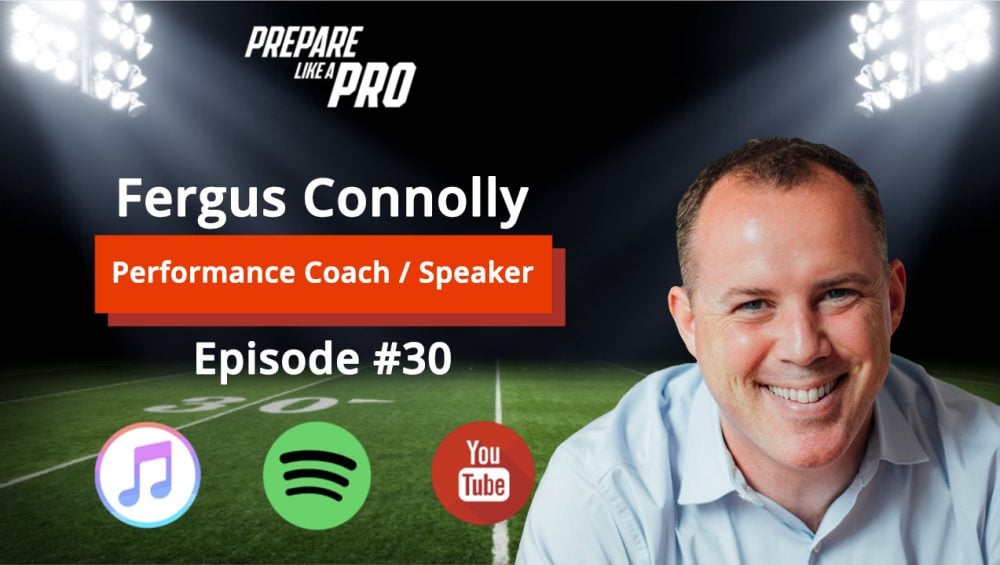
Fergus Connolly Coaching InsightsCategoriesHigh Performance Podcast

Episode 30 – Fergus Connolly

Unveiling the Path to High-Performance Excellence: Fergus Connolly’s Journey

In the dynamic realm of high-performance coaching, few names resonate as strongly as Dr. Fergus Connolly Coaching Insights. Renowned for his groundbreaking work in applying performance science across diverse domains, Connolly has left an indelible mark on sports teams, military units, and businesses worldwide. This blog post delves into his extraordinary journey, unveiling the insights, challenges, and wisdom accumulated over the years.

Fergus Connolly Coaching Insights discusses his journey into the field of performance coach, starting as a strength & conditioning and sport science consultant. Fergus Connolly Coaching Insights has been a pioneer in the integration of sports science and coaching, pushing the boundaries of what’s possible in human performance. Renowned for his unique approach, Fergus Connolly Coaching Insights has become a sought-after advisor, sharing his expertise with elite athletes and teams around the globe. In this blog post, we explore the key principles and strategies that define Fergus Connolly Coaching Insights’ philosophy, providing valuable lessons for coaches, athletes, and enthusiasts alike.

Highlights from the episode:

  • Importance of working hard and putting yourself in high-performance programs early in your career
  • The power that empathy can have as a coach and its importance for connecting with athletes
  • Tips and tricks to optimize your presenting skills and engage with your audience
  • Details around Fergus’ new upcoming coaching course

The Early Years: A Passion for Football

Connolly’s journey began not in the boardrooms of elite organizations but on the football fields. A fervent passion for the game ignited his quest for improvement. As he candidly admits, his initial approach was to focus on physical fitness, believing it would compensate for his late start in the sport. However, a pivotal realization awaited him – skill acquisition trumped sheer athleticism.

From Aspiring Teacher to Global Learner

With aspirations of becoming a school teacher, Connolly’s trajectory shifted during his university days. He recognized the unparalleled value of learning and seized the opportunity to broaden his knowledge globally. The catalyst for this transformative phase was an email exchange with Ashley Jones, a strength coach with the All Blacks in New Zealand. This marked the beginning of a journey that transcended borders, encompassing visits to coaching luminaries worldwide.

Lessons from Legends: Beyond Sets and Reps

Connolly emphasizes a crucial lesson derived from his interactions with coaching legends like Ashley Jones. While sets and reps form the core of training programs, their efficacy hinges on two critical factors – the quality of athletes and the ability to implement the program seamlessly. A training regimen, as Connolly learned, is not a magic bullet but an intricate dance between program, athletes, and execution.

Navigating the Empathy Tightrope

In the world of coaching, empathy is hailed as a cornerstone, but Connolly underscores the delicate balance it requires. Distinguishing between empathy and sympathy is paramount. While empathy fosters understanding, sympathy can inadvertently lead to sharing emotional burdens. Striking this balance, particularly in team dynamics, is a skill Connolly advocates for every coach.

Pillars of Development: Honesty and Learning

As Connolly shares insights into his coaching philosophy, two pillars emerge prominently – honesty and continuous learning. Honesty, first and foremost with oneself, lays the foundation for growth. Whether addressing personal shortcomings or evaluating team performance, embracing the truth fuels progress. Simultaneously, the commitment to lifelong learning stands as a testament to Connolly’s belief in the iterative nature of coaching.

Conclusion: The Unfinished Journey

Dr. Fergus Connolly’s journey, though marked by achievements, is far from concluded. His commitment to making individuals better, whether on the football field or in an NFL team’s training room, exemplifies a relentless pursuit of excellence. This blog has barely scratched the surface of his insights and experiences, leaving room for coaches, athletes, and enthusiasts to draw inspiration from a narrative still unfolding.

Listen: iTunes | IGTV | Spotify

High-Performance Success in SportsCategoriesHigh Performance Podcast

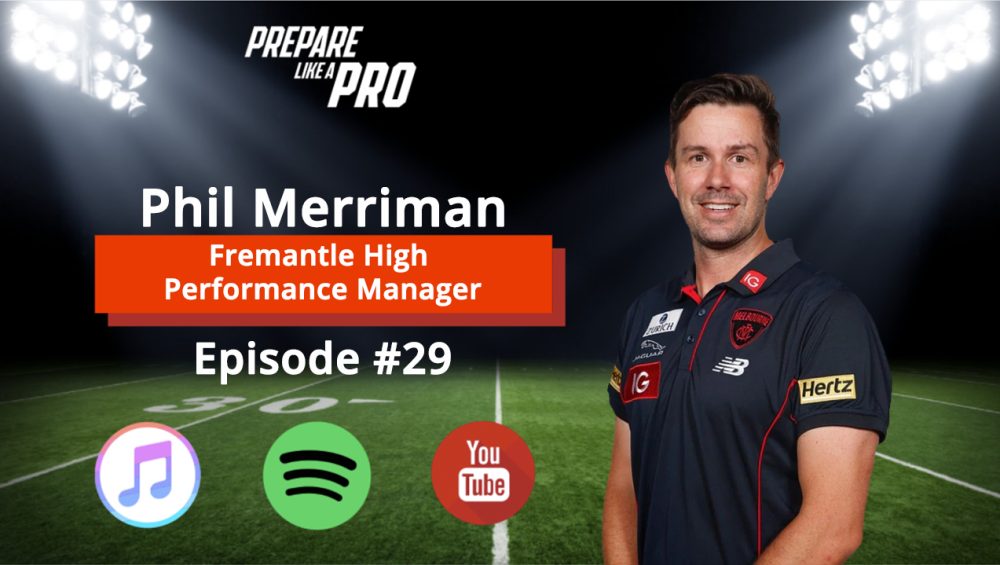
Episode 29 – Phil Merriman

Navigating Success in High-Performance Sports: A Conversation with Phil Merriman

In the world of high-performance sports, success is not just about physical prowess but also strategic management and a commitment to continuous improvement. In this blog post, we delve into the insights shared by Phil Merriman, the High-Performance Manager for the Fremantle Dockers, as he reflects on his journey in the AFL, his coaching philosophy, and the key factors that contribute to success in the competitive realm of professional sports.

Phil Merriman discusses his journey into the field of strength & conditioning, starting as a personal trainer + head coach of state Jessie hockey teams for 10 years.

Highlights from the episode:

  • Leadership can be developed but isn’t for everyone
  • Importance of curiosity and how Phill has recognized this behavior in elite athletes
  • Developing presentation skills while he was a head coach
  • Importance of having player-lead environments rather than staff-lead

Phil Merriman’s Journey

Phil Merriman’s career trajectory is nothing short of remarkable. Starting as a field hockey player, he discovered a passion for coaching after a hiatus from the game. His journey led him to work with influential figures like John Quinn and Peter Blanch, ultimately shaping his approach to high-performance management. Phil discusses the pivotal role of personal training and the importance of being adaptable, citing experiences from his time with Melbourne Football Club and Hawthorn’s strength conditioning team.

The Intersection of Hockey and Football

As a former hockey player turned high-performance manager in AFL, Phil draws intriguing parallels between the movement patterns in hockey and football. He shares insights into the tactical and technical aspects of both sports, highlighting the commonalities that contribute to success. This unique perspective adds depth to his coaching approach, allowing him to integrate strategies from different sporting arenas.

Curiosity and Continuous Improvement

One recurring theme in Phil’s narrative is the importance of curiosity in athletes. He emphasizes that successful players never lose their curiosity to become better, and this curiosity manifests in various behaviors, from extra training sessions to intelligent and strategic workout routines. Phil explores the delicate balance of coaching players to push boundaries while ensuring they understand the importance of timing and smart training.

Educating Young Athletes

Phil sheds light on the challenges of working with young athletes entering professional clubs. Many of them lack knowledge on how to train effectively and be curious about their development. Phil discusses the educational role that coaches, strength and conditioning specialists, and medical staff play in shaping the behaviors of these young players, setting the stage for their successful transition into professional sports.

Leadership and Team Dynamics

Transitioning to leadership, Phil outlines key points that make a good leader in the context of high-performance sports. He stresses the importance of always keeping the group’s intentions at the forefront, highlighting the need for selflessness and a deep commitment to the collective goals of the team. Phil reflects on his experiences working with leaders in various clubs and the diverse approaches to effective leadership.

Transition to Fremantle Dockers

The blog post concludes with Phil Merriman’s transition to the Fremantle Dockers and the unique challenges posed by the global pandemic. Phil shares insights into his role as the High-Performance Manager and the collaborative efforts required to navigate the uncertainties of the AFL landscape.

Key Takeaways:

  • Phil Merriman’s journey from field hockey to high-performance management.
  • The intersection of movement patterns in hockey and football.
  • The role of curiosity in the success of athletes.
  • Educating young athletes for a successful transition to professional sports.
  • Leadership principles and effective team dynamics.
  • Phil Merriman’s role at the Fremantle Dockers amidst the challenges of the pandemic.

Conclusion

Phil Merriman’s story is a testament to the multidimensional nature of success in high-performance sports. From the hockey fields to the AFL arenas, his journey provides valuable insights for aspiring athletes, coaches, and enthusiasts alike. The commitment to continuous improvement, the integration of diverse sporting experiences, and the focus on effective leadership underscore the holistic approach required for success in the competitive world of professional sports.

People mentioned:

  • Doctor Peter Brukner
  • David Misson
  • Darren Burgess David Hale
  • Alastair Clarkson
  • Andrew Russel
  • Anthony Fernon
  • Andrew Lambart
  • Luke Boyd
  • Hal Marsden
  • Chris Hink
  • John Quinn

Listen: Itunes | IGTV | Spotify

Athletic Development Evolution JourneyCategoriesHigh Performance Podcast

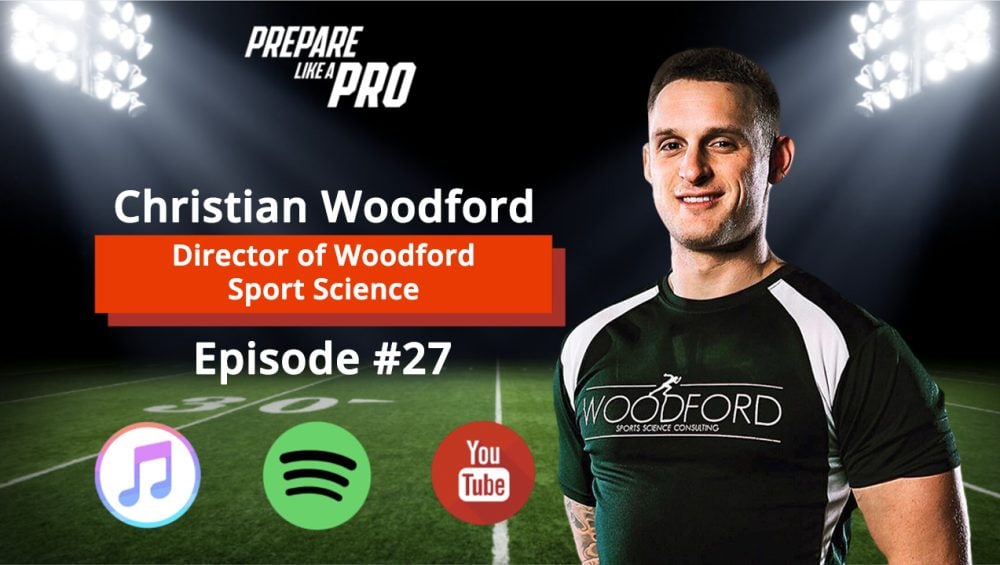
Episode 27 – Christian Woodford

Navigating the Evolution of Athletic Development

In the fast-paced world of Athletic Development Evolution Journey, professionals like Christian Woodford are reshaping the landscape. Woodford’s journey, insights, and perspectives shed light on the dynamic nature of this field. Let’s embark on a comprehensive exploration of the evolving realms of fitness, strength conditioning, and athlete development.

In this episode of the Prepare Like A Pro Podcast, I am speaking to Christian Woodford, the director of coaching at Woodford Sports Science Consulting. Christian Woodford is one of the most experienced strengths and conditioning coaches in Australia. In this episode, Christian and Jack talk about how to get into the field of strength and conditioning and how Christian worked his way up from the gym floor at Fitness First to training professional athletes. They discuss the importance of S&C even if the Australian lawn bowls team has an S&C coach and what being an S&C is all about. Athletic Development Evolution Journey is at the core of their conversation, providing valuable insights into the transformative journey of athletic development.

Highlights from the episode:

  • Who Christian is (background, education, and current role)
  • Why career choice
  • Role in high-performance sport
  • The value of having mentors
  • Progressions and the importance of the basics

The Early Years: A Passion Ignited

Christian Woodford’s story begins with an unwavering passion for sports and fitness. From a young age, he was captivated not just by the skill aspects of football and cricket but also the physical side of sports. This early fascination propelled him to delve into the world of strength and conditioning, marking the genesis of his journey.

Breaking Barriers: The Struggle for Opportunities

Woodford’s path wasn’t without challenges. As an 18-year-old aspiring professional, he faced the common dilemma of needing experience to get a job but lacking the opportunity to gain that experience. Rejected by numerous gyms, he persisted, emphasizing the importance of determination and perseverance in the pursuit of one’s goals.

From Ground Zero: Building a Foundation

Undeterred by initial setbacks, Woodford secured an opportunity at a local gym. His journey started from the ground up, doing everything from cleaning equipment to gaining hands-on experience. This foundational period laid the groundwork for his future success in the realm of strength and conditioning.

The Business of Athletic Development: WSSC Unveiled

Fast forward to the present, and Christian Woodford has been at the helm of WSSC (Woodford Sports Science Consulting) for nine years. His gym is a hub for athletes of all levels – from professionals to weekend warriors. Woodford’s holistic approach to athletic development has garnered attention and produced results, making WSSC a significant player in the industry.

A Plea for Balance: The Intersection of Fitness and Performance

Woodford reflects on the importance of a well-rounded fitness base before specializing in athlete development. He advocates for a balance that allows aspiring coaches to gain experience in general fitness, echoing the sentiment that true expertise is cultivated through a diverse foundation.

The State of Strength and Conditioning: Challenges and Triumphs

Delving deeper, Woodford discusses the challenges faced by strength and conditioning coaches in the industry. He emphasizes the need for professionals to value their time and expertise, discouraging the prevalent trend of offering services for free. The discussion touches on the evolving perception of strength and conditioning beyond mere physical exertion.

Future Horizons: Anticipating Growth and Change

Looking ahead, Woodford predicts significant growth in the strength and conditioning profession. He envisions a future where professionals are adequately compensated for their expertise, echoing the sentiments of a changing landscape where the value of proper athletic development is recognized across various sports.

A Call to Action: Shaping the Future of Athletic Development

In conclusion, Christian Woodford’s journey serves as a beacon for aspiring strength and conditioning coaches. His story, marked by determination, resilience, and a commitment to excellence, calls on the industry to evolve, adapt, and recognize the true value of athletic development.

People mentioned:

  • Jay Ellis
  • James Russell
  • Joe Defranco
  • Lachlan Wilmot
  • Durham Mcinnis

Listen: iTunes | IGTV | Spotify

AFL Strength Conditioning ExpertCategoriesHigh Performance Podcast

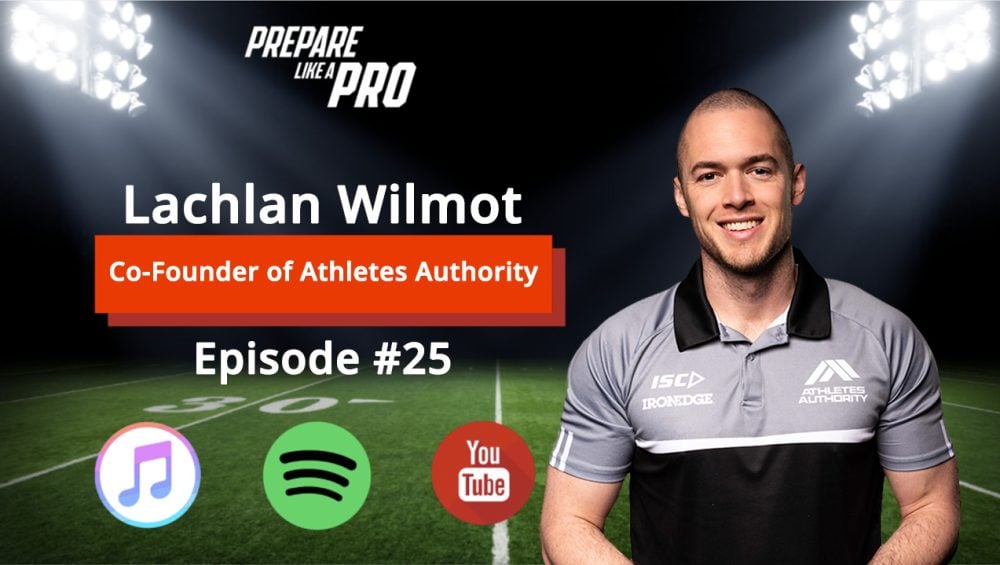
Episode 25 – Lachlan Wilmott

Unlocking Athletic Potential: Lachlan Wilmot’s Journey in AFL Conditioning

In the dynamic world of Australian Rules Football (AFL), strength and conditioning play a pivotal role in shaping elite athletes. One name that stands out in this field is Lachlan Wilmot, a seasoned AFL Strength Conditioning Expert with 17 years of experience. AFL Strength Conditioning Expert Lachlan Wilmot has become a leader in the industry. This blog post delves into his journey, contributions, and insights into AFL strength conditioning.

In this episode of the Prepare Like A Pro Podcast, I am speaking to AFL Strength Conditioning Expert Lachlan Wilmot, a seasoned professional with 17 years in the industry, who is now a leader in the field. In this episode, AFL Strength Conditioning Expert Lachlan Wilmot talks to Jack about the importance of working with the general population for strength and conditioning coaches, his approach to rehabilitating lower back pain, and what gives a team that winning edge.

The Early Years

Lachlan’s journey began not on the field but in the world of general fitness. As a personal trainer, he honed his skills, by working with diverse clients. Little did he know that his path would soon intersect with the intricate world of elite sports.

A Shift Towards AFL

The turning point came when Lachlan started working with athletes in the New South Wales scholarship program, aiming to boost AFL talent from the region. This experience ignited a passion for sports science, leading him to pursue a degree in the field. His commitment to learning and evolving eventually caught the eye of influential mentors.

Mentorship and Growth

John Quinn and David Joyce, notable figures in the industry, became pivotal mentors for Lachlan. Their guidance and influence steered his career to greater heights. With a focus on holistic development, Lachlan embraced challenges, learning the nuances of strength conditioning specific to the demands of AFL.

GWS Giants and Beyond

The GWS Giants marked a significant chapter in Lachlan’s career. Over eight years, he made substantial contributions to the team’s strength and conditioning strategies. His work with players like Razor Kills and innovations in training techniques garnered attention and accolades, establishing him as a leader in the field.

Private Sector Venture

Having conquered the elite realm, Lachlan made a strategic move into the private sector. Co-founding Athletes Authority in Sydney, he embarked on a new journey. The challenges of running a private gym during the tumultuous events of 2020 tested his resilience and leadership skills.

Approach to Conditioning

Lachlan’s approach emphasizes the importance of not shying away from movement patterns that may aggravate pain. Addressing neural back pain and customizing training programs based on individual needs and strengths form the core of his methodology. He believes in making athletes resilient and “bulletproof.”

Looking Ahead

As Lachlan continues to make strides in AFL strength conditioning, his story serves as an inspiration. From humble beginnings to shaping elite athletes, his journey underscores the transformative power of dedication, mentorship, and a holistic approach to sports science.

Conclusion

In the ever-evolving landscape of AFL, Lachlan Wilmot stands as a beacon of expertise and innovation in strength conditioning. His journey from a personal trainer to a leader in elite sports showcases the importance of continuous learning, adaptability, and a passion for empowering athletes.

Listen: iTunes | IGTV | Spotify