Master Concurrent Training TechniquesCategoriesElite Lifestyle Podcast

#321 – Mastering High Performance: Secrets of Concurrent Training with Dean Ritchie

Understanding Concurrent Training

Master Concurrent Training Techniques to excel in the combination of endurance and resistance training within the same program. Concurrent training has become a critical element for field-based athletes, especially in sports like AFL. Athletes are required to build both strength and stamina, which can lead to the interference effect—where one type of training hinders progress in another. This challenge highlights the importance of optimizing training strategies to ensure balanced progress, making it essential to master concurrent training techniques for peak performance.

The Impact on Performance

Research shows that the combination of endurance and resistance training on the same day can diminish muscle strength, power, and mass gains. For example, high-speed running at over 15 km/h can significantly affect same-day resistance training performance. Though alternating days of endurance and strength work would produce better results, this isn’t always feasible for elite athletes who need to maintain various aspects of their performance simultaneously.

Combat Sports vs. AFL Training

Unlike AFL, where training can be more structured, combat sports pose unique challenges due to their multi-planar movements. Combat athletes experience much higher weekly training loads, making fatigue management difficult. For AFL players, training can be adjusted to reduce intensity, focusing on specific skills while keeping fatigue in check. However, combat athletes often lack such flexibility, making load management a complex task.

Enhancing Potentiation for Better Results

To maximize performance, athletes can use post-activation potentiation (PAP) techniques. Research suggests that band-based velocity squats enhance plyometric performance, even with short recovery times. This strategy allows athletes to build explosive power in shorter training windows, making it more practical for high-performance sports environments.

Highlights from the episode:

  • What is concurrent training and why it’s crucial for AFL athletes
  • How to balance between resistance and endurance training for AFL players
  • Programming differences between combat sports vs. AFL
  • Maximizing post activation potentiation in same day concurrent training
  • Systematic models in UFC training

People mentioned:

    • Justin Cordy
    • Darren Burgess
    • Alex Rigby
    • Matthew Inness
    • Ben Parker
    • John Bartlett
    • Gavin Pratt
    • Dean Armasinger
Listen: iTunes | Spotify

Are you ready to enhance your coaching? Uncover the strategies to build a thriving online platform, liberating yourself from the time-for-money constraints while pursuing a career as an AFL S&C coach.

Book a FREE coaches discovery call

https://calendly.com/plp2/15min

Nutrition Tips for AthletesCategoriesElite Lifestyle

#bitesize – Expert Nutrition Tips for Young Athletes with Ben Parker

Nutrition Strategies for Young Athletes

Prioritizing Lean Mass Development

Building lean mass is essential for young athletes to compete at the highest level. While many hit the gym, pairing training with optimal nutrition is crucial to see faster results. Nutrition Tips for Athletes can help guide these young competitors toward better choices that maximize their potential. By focusing on tailored Nutrition Tips for Athletes, young athletes can transition from a boy’s body to a man’s body more efficiently, giving them the strength and durability to excel on the field. Not only will this accelerate their progress, but it will also give them a competitive edge.

Practical Nutrition Tips for Busy Athletes

When it comes to fueling your body, the theory of grams and macronutrients is important, but what matters most is the actual food on your plate. Unfortunately, preparing food can feel like a hassle. However, mastering meal prep techniques, creating a shopping list, and knowing the types of food that promote muscle growth will make it easier. Practical approaches can simplify the nutrition process and make your muscle-building goals more achievable.

The Importance of Hydration in Performance

In sports like AFL, dehydration can significantly contribute to fatigue, even more than a lack of fitness. This is particularly important in both hot and cold climates, as sweat rates remain high regardless of the weather. Therefore, ensuring you’re well-hydrated before, during, and after games or training sessions is vital. Although it may seem that electrolytes are lost during sweat, your body conserves most of its salt, so drinking water with meals is generally enough to maintain balance.

How to Prepare for a 2K Time Trial

To perform at your best in a 2K time trial, proper rest and carb-loading are essential. Rest for at least a day or two beforehand, and aim for a moderate carbohydrate intake of about 5-7 grams per kilogram of body weight. On the day of the trial, eat a small, easily digestible meal for pre-fuel. This will help ensure you can perform at your peak without feeling uncomfortable during the run.

Highlights from the episode:

  • Developing a boy’s body into a man’s body through nutrition
  • Practical nutrition strategies to gain muscle mass
  • How climate impacts sweat rate and hydration
  • Electrolytes sources and how much you need
  • Nutrition Preparation for a 2K Time Trial
Listen: iTunes | Spotify

Are you ready to enhance your coaching? Uncover the strategies to build a thriving online platform, liberating yourself from the time-for-money constraints while pursuing a career as an AFL S&C coach.

Book a FREE coaches discovery call

https://calendly.com/plp2/15min

High performance mindset tipsCategoriesElite Lifestyle Strength & Conditioning Coaches Tips

#bitesize – Secret Tips to Develop High Performance Mindset with David Joyce

Understanding Cognitive Tunneling

High Performance Mindset Tips: Cognitive tunneling is a common response when we are under pressure. It refers to our tendency to narrow our focus on a single problem, which can be both a strength and a limitation. This intense focus helps solve immediate challenges but can also prevent us from seeing the bigger picture. Understanding and managing cognitive tunneling is essential for maintaining a high-performance mindset. By incorporating High-Performance Mindset Tips, you can learn to balance focus with broader awareness, enhancing your overall performance.

The Power of a Performance Mindset

A high-performance mindset isn’t just something you’re born with—it can be developed. Athletes and performers often wonder if this mindset is inbuilt or learned. While some individuals might have a natural inclination towards it, anyone can train themselves to develop this mental approach. With consistent effort, you can enhance your resilience and ability to perform under pressure.

Finding Your North Star

Having a clear purpose or mission is crucial for staying grounded, especially during tough times. This purpose acts like a “North Star,” guiding you through challenges and helping you stay focused on your goals. When you know why you’re pursuing something, it’s easier to maintain motivation and direction, even when things get tough.

Building Intrinsic Motivation

Relying on external validation, such as pleasing others, is not a sustainable way to maintain performance. Instead, developing intrinsic motivation—doing something for the joy or challenge of it—provides lasting fuel for success. This internal drive is what keeps you going, ensuring a long and fulfilling career or pursuit.

Enhancing Confidence Through Competence

Often, a lack of confidence stems from gaps in competence. By identifying and addressing specific skill areas, you can regain confidence and improve performance. The key is to focus on building competence in areas that are holding you back, which in turn, boosts your overall confidence.

Highlights from the episode:

  • Introduction to Flush Runs
  • Benefits of Active Recovery
  • How to Perform a Flush Run
  • Mobility and Recovery Techniques
  • Alternative Flush Run Methods
Listen: iTunes | Spotify

Are you ready to enhance your coaching? Uncover the strategies to build a thriving online platform, liberating yourself from the time-for-money constraints while pursuing a career as an AFL S&C coach.

Book a FREE coaches discovery call

https://calendly.com/plp2/15min

AFL Flush Run RecoveryCategoriesElite Lifestyle Podcast

#bitesize – Understanding the Benefits of a Flush Run for AFL Athletes

What is a Flush Run?

AFL Flush Run Recovery, or active recovery, is an essential tool in the AFL athlete’s recovery arsenal. Typically performed two days after a game, AFL Flush Run Recovery involves light aerobic exercise that helps promote blood flow through the legs. By increasing circulation, it aids in the removal of waste products that accumulate during high-intensity bouts and heavy collisions on the field. This proactive approach helps athletes feel better physically and mentally, setting the stage for effective training and preparation for the next match.

How to Perform a Flush Run

To perform a flush run, start by running slowly across the field, focusing on keeping your feet close to the ground. Unlike sprinting, which involves high knee lifts and significant force generation, a flush run emphasizes small, quick steps at a low intensity. The key is to gradually build up to around 60% effort, ensuring that you avoid fatigue while still boosting blood flow. By distributing the workload over many steps, this recovery run minimizes strain and promotes a quicker recovery.

Enhance Recovery with Mobility Exercises

Incorporating mobility exercises during a flush run can significantly improve its effectiveness. Simple movements like squats, upper back rotations, and hamstring stretches help restore muscle range of motion, preventing tightness and stiffness. These exercises can be interspersed throughout the flush run to maintain variety and keep the session engaging. Remember, the aim is to leave the session feeling refreshed, not fatigued, making it crucial to keep the intensity low and focused on recovery.

Effective Flush Run Variations

There are several ways to adapt a flush run to suit an athlete’s fitness level and recovery needs. For instance, you might incorporate 80-meter efforts with short rest intervals to maintain a light yet effective workload. These variations help keep the body active without inducing further fatigue, ensuring that athletes are ready to hit the ground running in their next training session.

In this video, we delve into the concept of a ‘flush run’ or ‘active recovery flush.’ This form of active recovery, performed typically two days post-game, helps athletes feel better by promoting blood flow and removing waste products from intense physical activity. 

We also discuss best practices for performing a flush run, including maintaining a high cadence with feet close to the ground, incorporating mobility exercises, and keeping intensity low. Additionally, different variations of flush runs and their benefits for recovery and readiness for the next training session are explored.

Highlights from the episode:

  • Introduction to Flush Runs
  • Benefits of Active Recovery
  • How to Perform a Flush Run
  • Mobility and Recovery Techniques
  • Alternative Flush Run Methods
Listen: iTunes | Spotify

Are you ready to enhance your game? Our program is designed to propel footballers, like yourself, towards greater fitness, speed, and strength, ensuring you’re fully prepared to dominate on the field!

Book a FREE footballer discovery call

https://calendly.com/plp2/15min

🚀 Ready to level up your gaming skills in record time? Join our exclusive Game Speed Coaching Program today! With personalized coaching, you’ll unlock your full potential and dominate the competition.

🕒 But hurry – we’re only accepting 10 participants for this round! Secure your spot now before they’re all gone!

Click here to join and reserve your spot: https://bit.ly/game-speed-coaching-program

Don’t miss this opportunity to take your speed to the next level. Act fast and start your journey towards becoming the fastest player on game day!

Data in High Performance SportCategoriesElite Lifestyle Podcast

#317 – Metrics That Matter: The Role of Data in High Performance Sport with Matt Whitaker

Data in High-Performance Sport

In the world of elite sports, data in high performance sport has become an indispensable asset. Matt Whitaker, a renowned sports scientist, sheds light on how advanced technologies and critical metrics are transforming athletic performance. In this post, we’ll explore the tools and techniques driving data in high-performance sport.

Cutting-Edge Technology

Modern sports rely heavily on sophisticated tools. Whitaker mentions SQL, R, Shiny, and Tableau as pivotal in data visualization and application building. These tools allow for precise data analysis, helping teams to tailor training and strategies to individual athlete needs. Consequently, the integration of such technologies is reshaping the landscape of sports science.

Key Performance Metrics

To prepare athletes for competition, specific metrics are monitored closely. In AFL, metrics such as distance, velocity (including high speed and sprints), maximum velocities, and power metrics (acceleration, deceleration, and change of direction) are crucial. Additionally, game-relative data, which compares training loads to match loads, provides insights into an athlete’s readiness and performance.

Effective Flagging System

Maintaining athlete health and performance is paramount. Whitaker describes a flagging system that identifies potential issues through rolling averages, acute changes, and successive drops in performance metrics. These flags are not indicators to stop training but rather prompts for discussions about necessary adjustments. Thus, this proactive approach ensures that athletes remain in peak condition.

Essential Equipment

For sports scientists and strength and conditioning coaches, certain equipment is essential. GPS technology, Catapult software, Nord Board, Force Frame, Force Decks, and Dynamo are fundamental tools in elite sports environments. Mastery of these tools is crucial for those aspiring to excel in sports science.

The Role of AI

Artificial Intelligence is revolutionizing data processing in sports. Whitaker emphasizes that AI can quickly analyze vast amounts of information, aiding in real-time decision-making. Although AI does not replace human input, it enhances the efficiency of data usage, making it an invaluable tool in high-performance sport.

In this episode, we dive deep into the metrics that matter in high-performance sports. Matt shares his journey, influences, and the key highlights of his career. We explore the critical metrics tracked to enhance team performance, the latest technologies and tools in data collection, and real-life success stories where data significantly improved athlete performance. 

Looking toward the future, Matt discusses emerging trends in sports science that could have the biggest impact on high-performance sports in the next decade. Join us for an insightful discussion filled with practical applications and future predictions that every sports professional will find invaluable.

Highlights from the episode:

  • Latest technology and tools in data collection
  • Critical performance metrics tracked in AFL
  • Using data to improve athlete performance
  • Equipments for sports scientist
  • Impact of AI in sports science

People mentioned:

  • Andrew Russell
  • Ben Hume
  • Josh Milner
Listen: iTunes | Spotify

Are you ready to enhance your coaching? Uncover the strategies to build a thriving online platform, liberating yourself from the time-for-money constraints while pursuing a career as an AFL S&C coach.

Book a FREE coaches discovery call

https://calendly.com/plp2/15min

Integrating performance and medicalCategoriesElite Lifestyle Podcast

#bitesize – Steve Saunders, Integrating performance and medical science for team success

Integrating Performance and Medical Science for Team Success

Embracing Differences of Opinion

In high-performance medical teams, integrating performance and medical differences in opinion is not only inevitable but also beneficial. Embracing these differences can lead to significant improvements in collaborative thinking and integration. When team members feel passionate about their viewpoints, it’s crucial to listen and understand all perspectives. Integrating performance and medical approaches fosters a culture of open communication and mutual respect, ultimately enhancing team effectiveness.

Gathering Comprehensive Information

Effective communication in medical teams involves gathering all available information to identify potential issues. Whether it’s tendon compliance or muscle imbalances, having complete data is essential. Often, minor details that are overlooked can cause significant problems. By ensuring all information is on the table, teams can make more informed decisions and address underlying issues before they escalate.

Conducting Efficient Meetings

Meetings are a necessity in any team setting, but they must be efficient. Short, well-structured, and concise meetings with a clear agenda are more productive. Prioritizing important topics ensures that team members stay engaged and feel comfortable sharing their opinions. This approach not only saves time but also ensures that critical issues are addressed promptly and effectively.

Utilizing the Whiteboard Method

The whiteboard method, a favorite of Steve Saunders and his colleagues, involves visually mapping out ideas and plans. This technique enhances clarity and encourages collaborative problem-solving. Whether it’s in a lab or over a casual dinner, visually representing ideas helps in understanding complex issues and developing actionable plans.

Approaching New Challenges Collaboratively

Facing new or complex injuries requires a collaborative approach. Involving multiple stakeholders ensures that the burden of decision-making is shared and that a comprehensive treatment plan is developed. This not only improves the quality of care but also distributes responsibility, reducing stress on individual team members. Collaboration is key to successful rehabilitation and treatment of athletes.

Highlights from the episode:

  • Common misconceptions about communications
  • Collaborative thinking and when to give advice
  • How to conduct effective meetings
  • Using the whiteboard method for brainstorming ideas
  • Tips for rehabilitation professionals dealing with new injuries
Listen: iTunes | Spotify

Are you ready to enhance your coaching? Uncover the strategies to build a thriving online platform, liberating yourself from the time-for-money constraints while pursuing a career as an AFL S&C coach.

Book a FREE coaches discovery call

https://calendly.com/plp2/15min\

Optimize AFL game prepCategoriesElite Lifestyle Podcast

#bitesize – Optimize Your AFL Game Prep and Recovery

Optimize Your AFL Game Prep and Recovery

Adapted Protocol for AFL Players

The D Franco Limber 11, initially designed for NFL players, has been adapted to better suit AFL athletes. To optimize AFL game prep, due to the high volume of running involved in AFL, this protocol targets the lower limbs, including feet, calves, and ankles, to address the specific needs of footballers. By incorporating these specific exercises, players can optimize AFL game prep and improve their performance on the field.

Self-Myofascial Release and Mobility

To start, the routine incorporates self-myofascial release techniques. Use a lacrosse ball on your feet, shins, and glutes to release tension and prepare your muscles. This is followed by mobility and flexibility exercises, ensuring your body is well-prepared for the demands of the game.

The Importance of Breathing for Recovery

Post-game recovery is crucial, and breathing techniques play a significant role. Practicing box breathing or other slow breathing exercises helps athletes relax both mentally and physically. This not only aids in muscle recovery but also promotes better sleep, which is essential for optimal performance.

Effective Warm-Up Routine

A proper warm-up on game day is essential. Typically, this involves low-intensity mobility drills, running mechanics, and light football activities 30-50 minutes before the game. This prepares the body while keeping arousal levels low, ensuring athletes are ready for the physical demands of the game without exhausting themselves prematurely.

Cool-Down Techniques for Optimal Recovery

After the game, a cool-down routine is necessary to aid recovery. Techniques such as relaxation exercises, ice baths, flush massages, and pool sessions help reduce inflammation and promote blood flow. These methods ensure that both the body and mind are relaxed, facilitating a quicker and more effective recovery process.

Highlights from the episode:

  • DeFranco Limber 11 adaptation for footballers
  • Detailed mobility routine
  • Importance of breathwork while mobilizing
  • Warm-up before a game
  • Cooldown after a game
Listen: iTunes | Spotify

Are you ready to enhance your game? Our program is designed to propel footballers, like yourself, towards greater fitness, speed, and strength, ensuring you’re fully prepared to dominate on the field!

Book a FREE footballer discovery call

https://calendly.com/plp2/15min

🚀 Ready to level up your gaming skills in record time? Join our exclusive Game Speed Coaching Program today! With personalized coaching, you’ll unlock your full potential and dominate the competition.

🕒 But hurry – we’re only accepting 10 participants for this round! Secure your spot now before they’re all gone!

Click here to join and reserve your spot: https://bit.ly/game-speed-coaching-program

Don’t miss this opportunity to take your speed to the next level. Act fast and start your journey towards becoming the fastest player on game day!

Rehab running successCategoriesElite Lifestyle Podcast

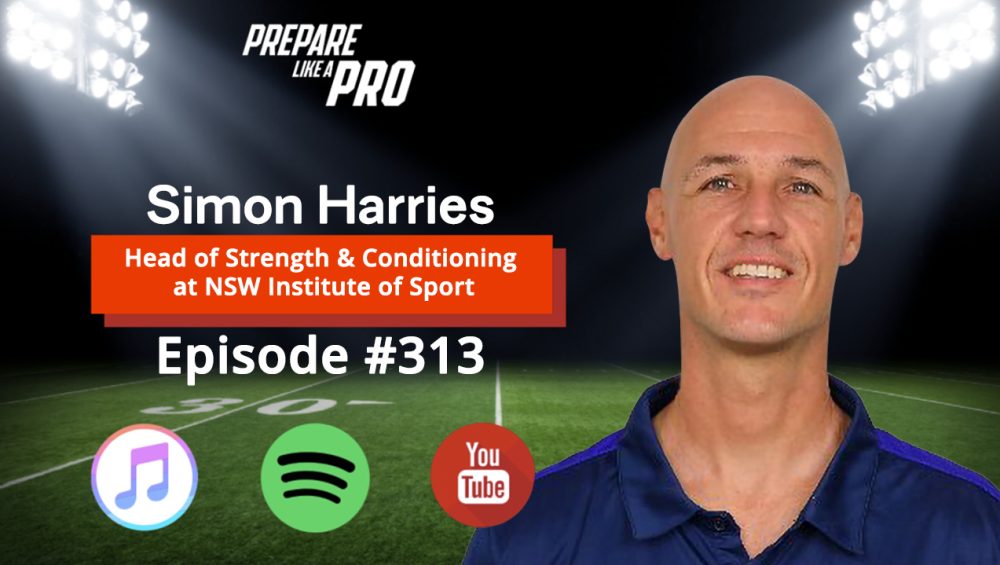
#313 – Back on Track: The Complete Guide to Rehab Running Success

The Complete Guide to Rehab Running Success

Recipe-Based Approach for Rehab Running Success

For new strength and conditioning (S&C) coaches, starting with a recipe-based approach to rehab running success is crucial. This method involves following experienced guidance, allowing beginners to build foundational knowledge without the pressure of critical decision-making. By doing so, they can focus on mastering the basics and developing effective coaching techniques.

Progression to Framework-Based Methods for Running Rehab

After gaining initial experience, transitioning quickly to a framework-based method is essential for running rehab success. This approach encourages critical thinking and individualized adjustments during rehab sessions. By moving away from a strict recipe, coaches can better adapt to the unique needs of each athlete, fostering a more dynamic and effective rehab process.

Balancing Injury Prevention and Performance in Rehab Running

A recipe-based approach primarily focuses on preventing injury recurrence. However, a framework-based approach can be tailored to enhance performance and prepare athletes to perform at their best when returning to play. This balance ensures that athletes are not only safe but also ready to hit the ground running from their first game back.

Individualizing Rehab for Running Success

Most lower body rehab can be generalized to about 80%, but the remaining 20-30% should be highly individualized. This customization is based on the specific injury and the tissue’s requirements during running activities. By understanding these needs, coaches can create a more effective and personalized rehab plan.

Utilizing Technology for Effective Rehab Running Programs

Utilizing technology like force plates is essential for assessing various performance metrics. These tools help prepare athletes for running by mimicking the forces required in running through gym-based exercises before actual running. This approach ensures that athletes are adequately prepared and reduces the risk of re-injury.

Highlights from the episode:

  • Advice to new rehab coaches when running a rehab session
  • Individualizing rehab for athletes
  • Things to consider when handling specific injuries
  • Essential technology for rehab programs
  • Strategies for calf injury rehab

People mentioned:

  • Nick Poulos
  • Alex Natera
  • Bill Knowles
  • Terry Condon
Listen: iTunes | Spotify

🌟 READY TO TAKE CONTROL OF YOUR CAREER PROGRESS? 🌟

Are you an aspiring strength & conditioning coach aiming for your first full-time contract in professional sports? We’ve got just the tool to help you map out your path to success!

📈 Introducing the Pro Sport Growth Scorecard! This exclusive, free resource is meticulously designed to assist you in identifying key areas of improvement, setting realistic goals, and strategically advancing toward your career objectives.

Why download the Scorecard?

  • Targeted Tracking: Monitor your progress in crucial competencies needed for a career in elite sports.
  • Goal Setting: Define clear, actionable goals that drive you towards your dream job.
  • Results-Oriented: Focus your efforts on what truly matters to achieve professional growth faster.

Don’t leave your career progression to chance. Take proactive steps to sculpt your future in the elite sporting industry!

👉 Download your free copy of the Pro Sport Growth Scorecard today:

Start tracking your career growth and coaching strategies now and make your dream of securing a full-time pro sports contract a reality!

Effective Athlete Recovery StrategiesCategoriesElite Lifestyle Podcast

#bitesize – How training load determines the best recovery method

Key Mentors Shaping Career

Throughout my career journey, I have been fortunate to have strong mentors who have significantly influenced my philosophy. Effective Athlete Recovery Strategies have always been a critical aspect of my learning. One standout mentor is Ben Sapelle, my current supervisor and former boss at the Brumbies. His humility and vast knowledge have profoundly shaped my approach to athlete performance and recovery, emphasizing the importance of Effective Athlete Recovery Strategies.

Assessing Athlete Recovery

In the NBA, measuring athlete recovery can be challenging due to the absence of wellness metrics like heart rate variability. Consequently, we often rely on subjective check-ins and conversations with the athletes. Despite these limitations, understanding how players feel and respond to training is crucial for their performance readiness.

Context-Driven Training Load Decisions

Deciding whether to reduce a player’s training load is highly context-dependent. While balancing performance and injury risk, our primary goal is to maintain consistency in training. Sometimes, minor adjustments, such as modifying the intensity of a speed session, can help prevent overtraining without compromising overall performance.

Encouraging Behavioral Change

Implementing principles from behavioral economics has proven effective in encouraging athletes to adopt healthy behaviors. By structuring the environment thoughtfully—such as strategic food placement and optimizing the gym layout—we make it easier for athletes to follow healthy routines without much conscious effort.

Engaging Athlete Education

Effective communication is key when educating athletes. Using visual aids, minimal text, and personalized content, like videos of the athletes themselves, significantly enhances engagement and retention. This approach ensures that athletes absorb crucial information and apply it to their training and recovery routines.

Podcast Guest

Carmen Colomer, Performance Sports Science Coordinator at Gold Coast Titan

Highlights from the episode:

  • Strong mentors and influencers who shaped her philosophy today
  • Effective methods for measuring training load in team-based field athletes
  • Criteria when adjusting training load for athlete recovery in preseason
  • Non-negotiables to ensure athletes maintain an elite lifestyle
  • How to make group presentations engaging and actionable
Listen: iTunes | Spotify

Are you ready to enhance your coaching? Uncover the strategies to build a thriving online platform, liberating yourself from the time-for-money constraints while pursuing a career as an AFL S&C coach.

Book a FREE coaches discovery call

https://calendly.com/plp2/15min

Mental Fatigue in SportsCategoriesElite Lifestyle

#bitesize – Mental Fatigue in Elite Sport

Understanding Mental Fatigue in Sports

Mental Fatigue in Sports is a complex psychobiological state that impacts the mind and body. Unlike physical fatigue, which stems from strenuous physical activity, mental fatigue arises from prolonged periods of demanding cognitive tasks. This can include activities requiring sustained mental efficiency, whether cognitively or emotionally demanding. For athletes, understanding and managing Mental Fatigue in Sports is crucial for maintaining optimal performance.

Effects on Athletic Performance

Athletic performance can significantly decline due to mental fatigue. One of the primary mechanisms is the increased rating of perceived exertion. This is believed to be caused by the accumulation of adenosine in the brain, which affects dopamine levels and motivation. Consequently, athletes perceive tasks as more effortful, leading to decreased performance, especially in endurance tasks.

Recognizing Early Signs

Identifying mental fatigue early is essential for athletes. Early signs include subjective experiences such as feeling mentally drained and behavioral changes like slower response times and decreased accuracy in cognitive tasks. While neurophysiological changes provide valuable insights, they often require specialized equipment, making them less accessible for everyday use.

Strategies to Combat Mental Fatigue

Effective strategies to manage mental fatigue involve self-identification and coaching staff support. Techniques such as listening to specific music frequencies, like relaxing string music or binaural beats, have shown promise. These methods can help athletes reduce mental fatigue and improve their overall performance.

Influencing Factors

Several factors influence the extent of mental fatigue in athletes. Experience and exposure to the sporting environment play significant roles. New or unfamiliar environments can be more cognitively fatiguing, especially for inexperienced athletes. Personality traits, such as introversion, also affect how overwhelming and fatiguing an experience can be.

Conclusion

Mental fatigue is a critical aspect of athletic performance that requires attention and management. By understanding its impact and implementing effective strategies, athletes can mitigate its effects and perform at their best.

Highlights from the episode:

  • What mental fatigue is and how it differs from physical fatigue
  • How does mental fatigue impact athletic performance
  • Common signs or symptoms of mental fatigue
  • Effective strategies to tackle mental fatigue
  • How personality traits and coping strategies impact an athlete’s susceptibility to mental fatigue
Listen: iTunes | Spotify

Are you ready to enhance your coaching? Uncover the strategies to build a thriving online platform, liberating yourself from the time-for-money constraints while pursuing a career as an AFL S&C coach.

Book a FREE coaches discovery call
https://calendly.com/plp2/15min