Training programs often focus too much on finding the “best” exercise. However, effective hamstring training depends more on movement quality, proper stimulus, and athlete-specific adaptation. In Hamstring exercise Adaptation Training, coaches emphasize aligning exercises with the athlete’s current needs, recovery status, and performance goals rather than chasing one perfect movement. Hamstring Exercise Adaptation Training also highlights how individualized programming can improve both performance outcomes and injury prevention. This article explains why coaches should prioritize training goals and individual needs instead of relying on a single exercise for performance and injury prevention.
Hamstring Exercise Adaptation Training
Understanding Hamstring Training
Many athletes and coaches often ask which hamstring exercise is the best. However, the real answer is more complex. According to performance experts, exercise selection is not the most important factor. Instead, the key focus should be on how the athlete moves and what type of training stimulus creates the right adaptation. Therefore, coaches should prioritize movement quality over chasing one perfect exercise.
Why Adaptation Is Important
The body responds differently to training depending on the athlete’s condition and goals. For example, some athletes may need more eccentric strength work, while others may require exercises that improve posture and control. Furthermore, effective hamstring training depends on consistency and progression. Because of this, selecting exercises based on individual needs is more valuable than following trends.
Effective Hamstring Exercises
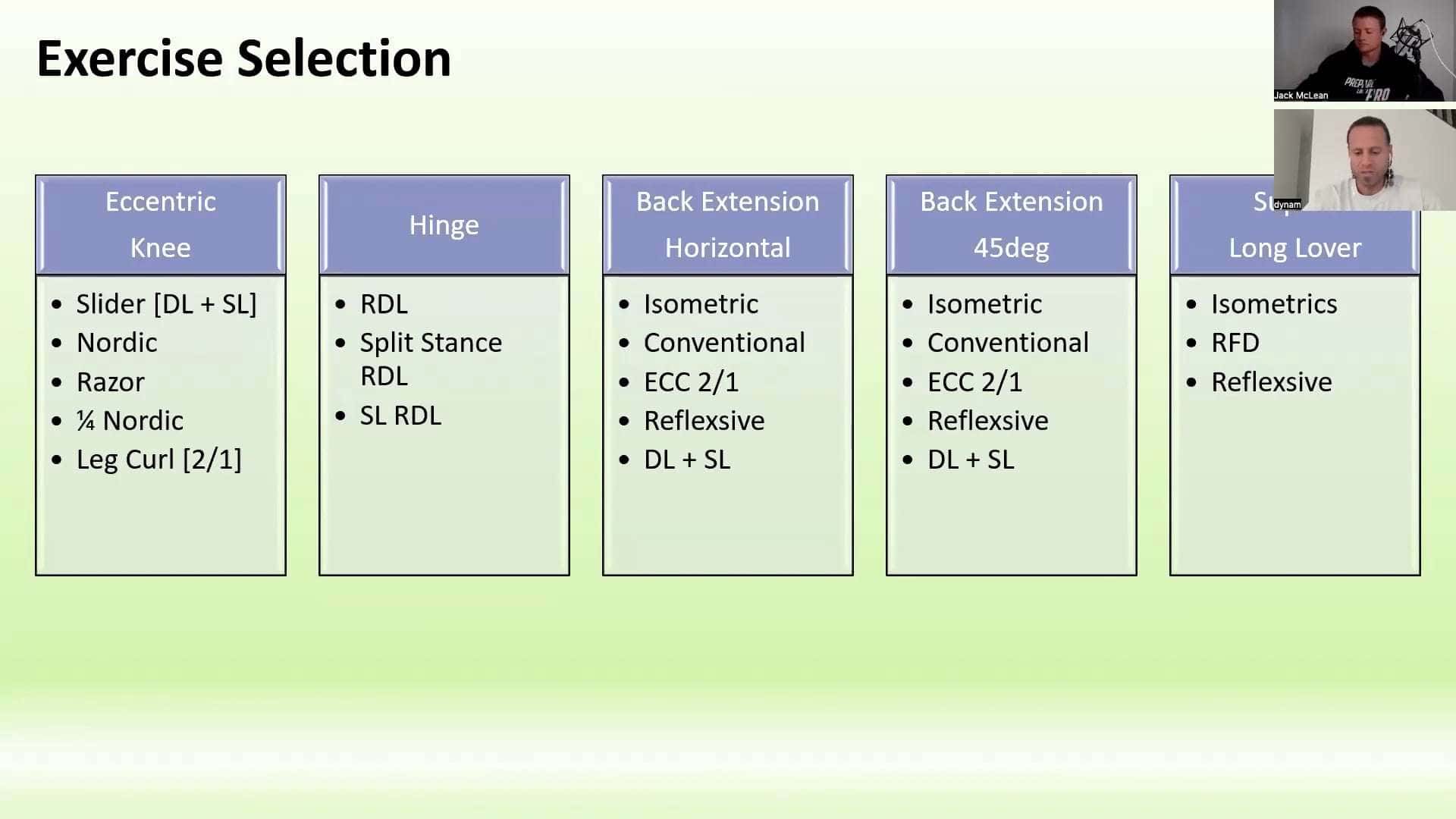
Several hamstring exercises can produce excellent results when programmed correctly. The Nordic hamstring curl is widely supported by research because it may help reduce hamstring injuries. In addition, slider exercises are popular because they challenge stability and eccentric strength. Coaches also use razors, quarter Nordics, and two-up one-down leg curls to create different training adaptations. As a result, athletes can improve strength and resilience through a variety of methods.
Focusing on Athlete Needs
Ultimately, the best hamstring program depends on the athlete rather than the exercise itself. While certain movements are supported by science, no single exercise works for everyone. Instead, successful training comes from matching the exercise to the athlete’s movement patterns and physical demands. Consequently, coaches should build flexible programs that support long-term performance and injury prevention.
Join the Coaches Academy and start building your career in pro sport.
Join Now → https://preparelikeaproacademy.com.au/join-coaches-now/