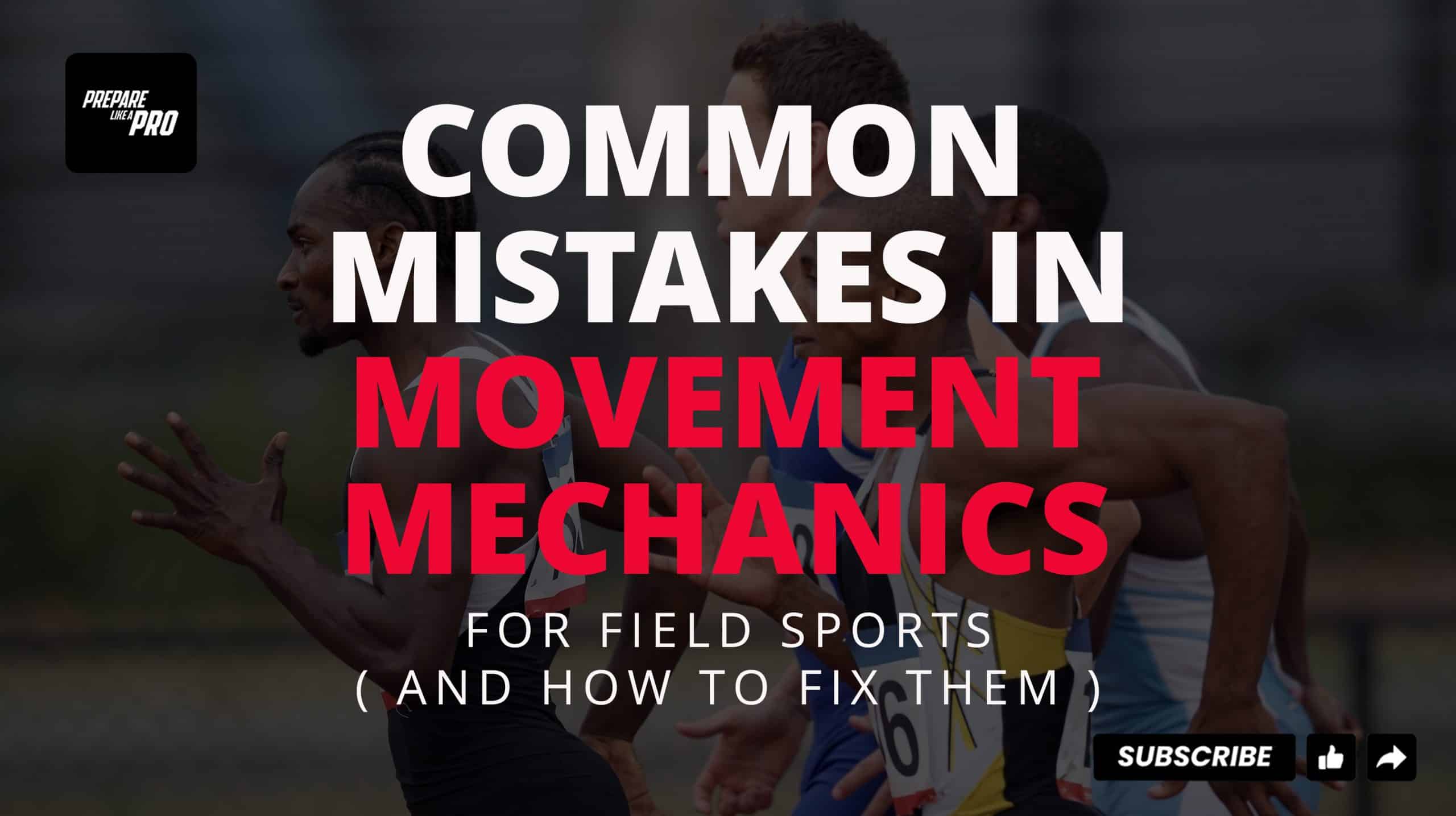
Building a clear technical model is one of the fastest ways to sharpen your coaching eye for speed, especially in acceleration and max velocity. Build Faster Sprint Mechanics in this clip as we cover the key biomechanics that matter most, why focusing below the belly button simplifies decisions, and how tools like Chris Bramah’s SMAS and simple phone kinograms can guide coaching on a small budget. We also explore how sprint styles stay consistent over time, how SMAS links to efficiency and hamstring risk, and how to group athletes using sprint mechanics and strength data to individualise intent at scale so you can Build Faster Sprint Mechanics with more clarity and consistency.
Building a Technical Model
A fast field athlete starts with a clear technical model. First, decide what you care about most in acceleration and max velocity, then coach those consistently. In practice, keep it simple: shin angle, torso position, and ankle stiffness will give you more return than nitpicking arms or head. If the athlete’s trunk and pelvis are organised, the rest of the body usually falls into place.
Coach What Happens Touchdown
Next, zoom in on where the foot lands. Touchdown distance should be close to underneath the hip, not cast out in front of the centre of mass. Therefore, you’re looking for strong front-side mechanics and minimal backside “push” that drives excessive hip extension. If you see big thigh separation, heel strike, or an obvious forward lean that creates braking, you’ve found an efficiency leak and a potential injury risk.
Use SMAS To Score
However, great coaching needs a shared language. Chris Bramah’s SMAS system gives you practical markers for max velocity and a simple scoring method you can run from phone video. Instead of arguing over opinions, you can track progress week to week and connect technical changes to what matters: speed, economy, and resilience.
Bucket Athletes and Progress
Finally, when you’re dealing with 30 to 40 athletes, individualisation becomes grouping. Combine SMAS or CMAS scores with strength and power diagnostics, then bucket athletes by need. For example, strong athletes who lack rate of force development live in a power focus. Athletes with great outputs but poor mechanics need more technical exposures. If overstriding is the issue, wicket sprints can help tighten touchdown and speed up the swing leg, so athletes run faster with less wasted energy. Meanwhile, re-test regularly so your buckets stay honest across the season.
Highlights from the episode:
– Build a technical model for acceleration and max velocity
– Why kinograms still work and what movement bias tells us
– SMAS markers that reveal efficiency and hamstring risk
– How SMAS scoring turns mechanics into coachable priorities
– Bucketing a squad using sprint mechanics plus force and strength tests
🎥 Watch full episode on YouTube
🔗 https://www.youtube.com/@preparelikeapro
📅 Book a FREE discovery call for coaches
👉 https://calendly.com/plp2
Listen Now & Subscribe!
🎧 Available on Spotify, Apple Podcasts, and YouTube
📲 Follow us on Instagram: @preparelikeapro
💡 Learn more at preparelikeapro.com
Are you ready to enhance your coaching? Uncover the strategies to build a thriving online platform, liberating yourself from the time-for-money constraints while pursuing a career as an AFL S&C coach.
Book a FREE coaches discovery call
https://calendly.com/plp2/15min