Many athletes and coaches believe that stronger neck muscles automatically reduce the risk of concussion, but recent evidence tells a different story. The neck strength concussion myth has gained attention as researchers continue to examine what truly influences head injury risk during sports. While neck strength remains important for rehabilitation and overall cervical health, studies suggest it is not a reliable predictor of concussion prevention. Instead, factors such as neck function, pain assessment, and the ability to activate the neck muscles quickly may play a more significant role. Understanding these findings can help athletes, coaches, and healthcare professionals make better decisions based on evidence rather than common assumptions.
Neck Strength Concussion Myth
Rethinking Neck Strength and Concussion Risk
Many athletes, coaches, and trainers believe that building a stronger neck automatically lowers the risk of concussion. However, current evidence does not support that assumption. Based on the available data, researchers have found no clear relationship between peak neck strength and the likelihood of sustaining a concussion. Therefore, while neck strengthening remains beneficial for overall health and performance, it should not be viewed as a guaranteed strategy for preventing head injuries.
Why Neck Testing Still Matters
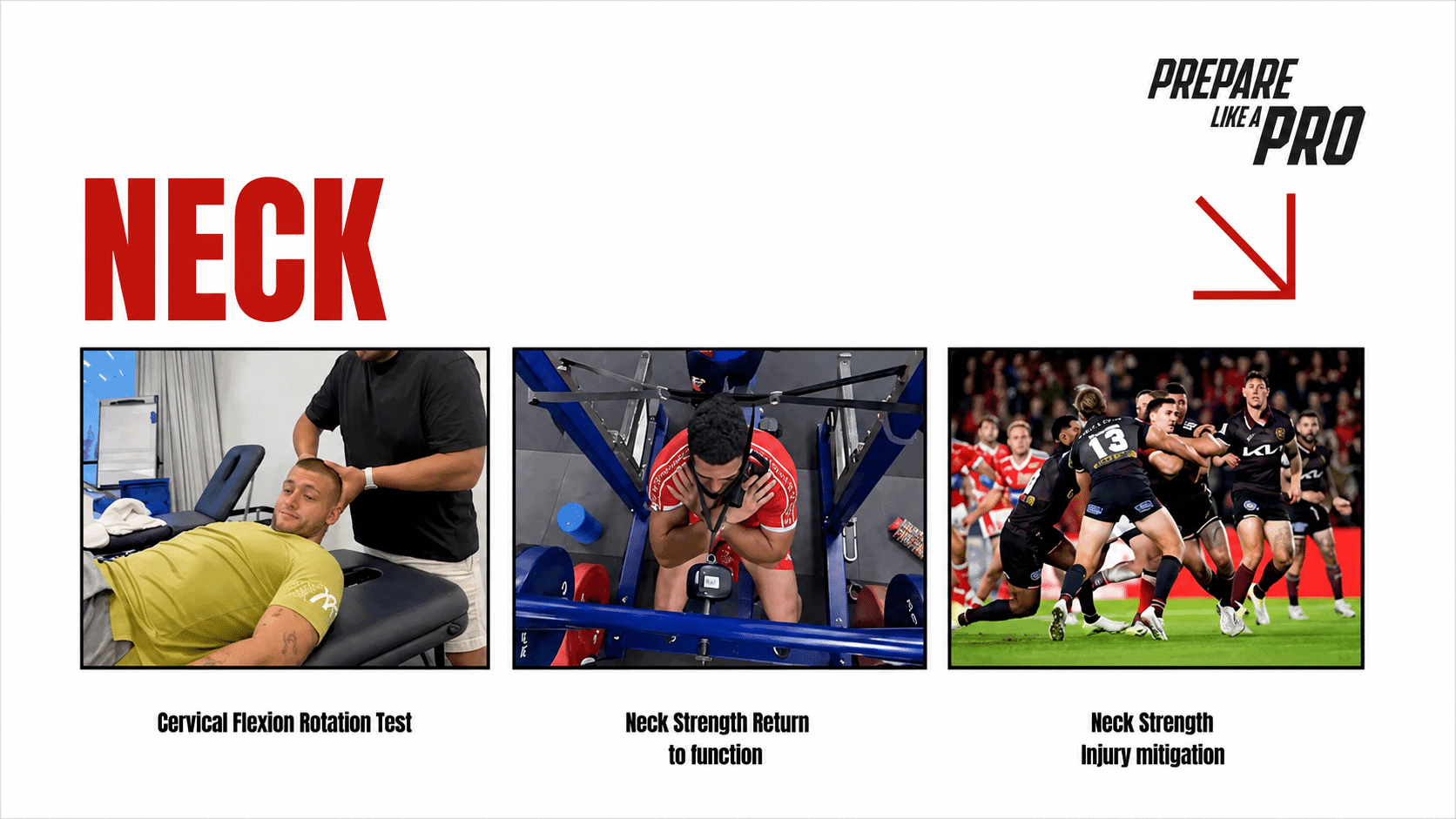
Although peak neck strength may not predict concussion risk, it remains valuable during rehabilitation. After a concussion, healthcare professionals can compare an athlete’s current neck strength with baseline measurements taken before the injury. This approach helps determine whether the athlete has regained normal strength. In addition, clinicians should assess pain and movement limitations because these factors can affect recovery and safe return to play.
The Importance of Cervical Assessment
Another essential part of post-concussion evaluation is the cervical flexion-rotation test. This assessment helps identify neck dysfunction that may contribute to lingering symptoms. Furthermore, addressing cervical problems can improve recovery outcomes and reduce discomfort. As a result, combining strength testing with functional neck assessments provides a more complete picture of an athlete’s condition.
Looking Beyond Peak Strength
Researchers also suggest that neck muscle speed may matter more than maximum force. During tackles or sudden impacts, the neck experiences rapid movement similar to whiplash. Consequently, the ability to activate neck muscles quickly may help stabilize the head more effectively than simply producing greater force. Future research should explore neuromuscular reaction time and dynamic neck control as potential factors in concussion prevention.
Join the Coaches Academy and start building your career in pro sport.
Join Now → https://preparelikeaproacademy.com.au/join-coaches-now/