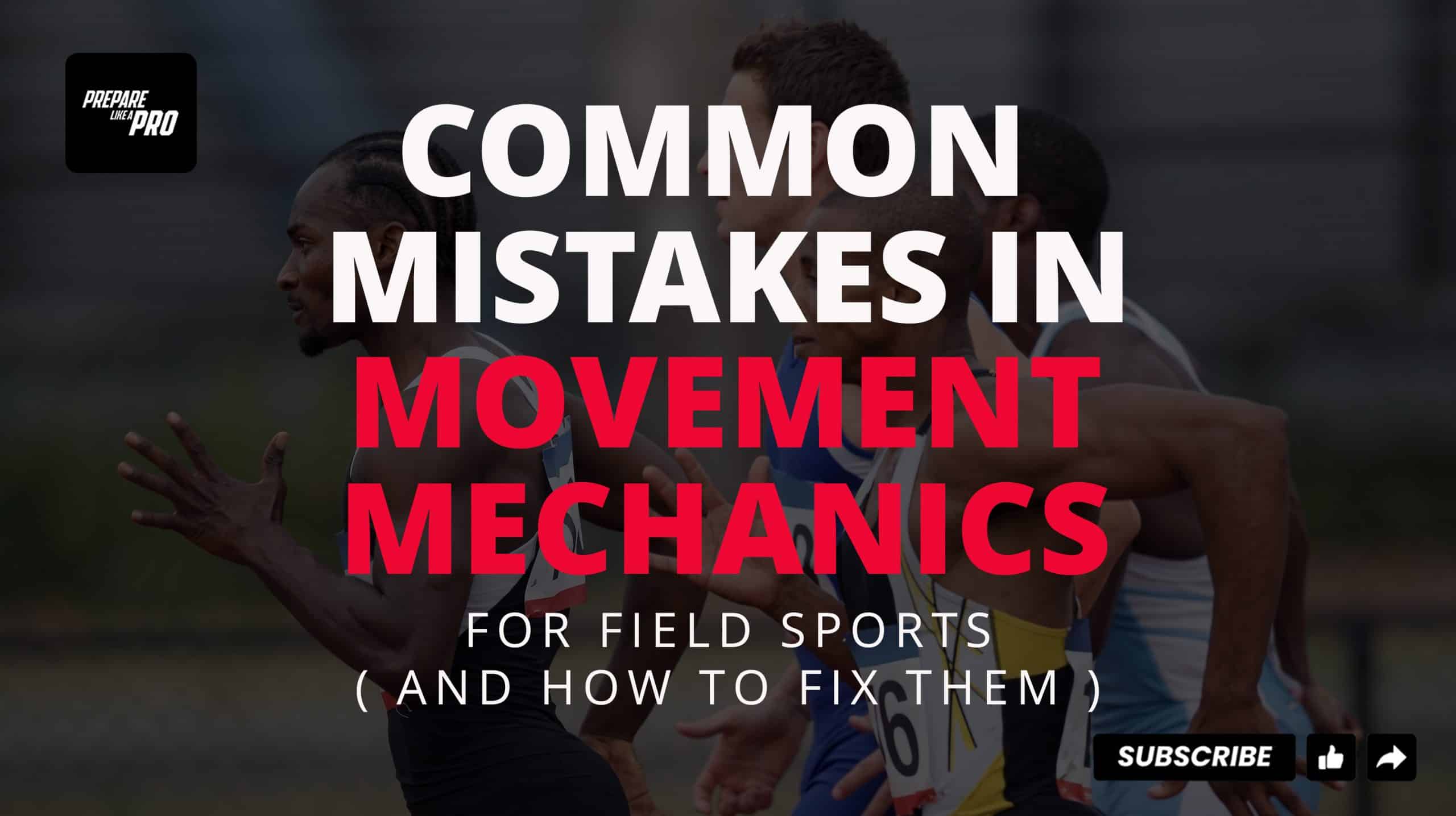
Could hidden movement mistakes be limiting your speed, agility and durability? We break down the mechanics field-sport athletes often get wrong, from upright running and overstriding to acceleration, cutting and defensive movement.
We also explore practical assessment methods, useful off-season training environments and the drills that can create genuine transfer to competition. Whether you coach AFL players or train for another field sport, this episode will help you view athletic movement through a sharper lens.
Field Sport Movement Mechanics
Build Better Movement Foundations
Strong field sport performance starts with efficient movement mechanics. Athletes must sprint, accelerate, cut, and defend without wasting energy or placing unnecessary stress on their bodies. However, small technical errors can quickly reduce speed and increase injury risk. By understanding field sport movement mechanics, coaches and athletes can build safer, sharper, and more confident movement patterns during training and competition.
Stop Overstriding at Speed
First, avoid overstriding during upright running. When the foot lands too far ahead of the center of mass, the body experiences a braking effect that slows momentum. This position may also place greater stress on the hamstrings. Instead, athletes should aim to land closer beneath the body, creating smoother ground contact, better rhythm, and more efficient forward movement at speed.
Align Your Acceleration Angles
Next, pay attention to acceleration posture. During the first three steps, the shin and torso should generally point at similar angles. This alignment helps athletes project their bodies forward rather than rising too early. A simple side-view video can reveal whether the posture is effective. Coaches can then provide practical cues and drills based on what they observe in training.
Cut and Defend Efficiently
Moreover, field sports demand efficient movement in every direction. Attackers need to step and cut with minimal footwork so they can create space quickly. Meanwhile, defenders must stay low, balanced, and loaded to react or tackle. Timing gates are useful for measuring acceleration, while GPS can support sprint monitoring, although its acceleration data may be less dependable in some situations.
Train, Retest, and Adapt
Finally, the off-season is the ideal time to address movement weaknesses. Bounding, trampoline work, gymnastics, and multidirectional plyometrics can improve reactive strength and body control. Nevertheless, progress requires patience and consistent exposure. Athletes should follow a structured program for at least six weeks before retesting, although eight to ten weeks usually provides enough time for meaningful adaptation and measurable results.
Highlights of the episode:
– Is overstriding putting your hamstrings at risk
– What shin and torso alignment reveals
– Why efficient direction changes demand less footwork
– Are your movement tests giving reliable answers
– The off-season tools most athletes overlook
– How long should a movement training block last
FAQ
Q1. What are the most common movement-mechanics mistakes in field sports?
Common mistakes include overstriding while running, standing upright too early during acceleration, and taking unnecessary steps when changing direction. These errors can reduce speed, waste energy, and increase stress on the muscles and joints.
Q2. How can athletes improve their acceleration and running mechanics?
Athletes should land with their feet closer beneath their body to reduce braking forces. During the first three acceleration steps, the shin and torso should also maintain similar forward angles. Recording athletes from the side can help coaches identify technical problems and provide more effective feedback.
Q3. How long does it take to improve movement mechanics?
Athletes should follow a structured movement program for at least six weeks before retesting. However, eight to ten weeks usually provides enough time to develop meaningful improvements through exercises such as bounding, multidirectional plyometrics, gymnastics, and reactive-strength training.
🎥 Watch full episode on YouTube
🔗 https://www.youtube.com/@preparelikeapro
📅 Book a FREE discovery calls for coaches
👉 https://calendly.com/plp2
Listen Now & Subscribe!
🎧 Available on Spotify, Apple Podcasts, and YouTube
📲 Follow us on Instagram: @preparelikeapro
💡 Learn more at preparelikeapro.com
Are you ready to enhance your coaching? Uncover the strategies to build a thriving online platform, liberating yourself from the time-for-money constraints while pursuing a career as an AFL S&C coach.
Book a FREE coaches discovery call at
https://calendly.com/plp2/15min
🚀 Ready to level up your gaming skills in record time? Join our exclusive Game Speed Coaching Program today! With personalized coaching, you’ll unlock your full potential and dominate the competition.
🕒 But hurry we’re only accepting 10 participants for this round! Secure your spot now before it’s all gone!
Click here to join and reserve your spot: https://bit.ly/game-speed-coaching-program
Don’t miss this opportunity to take your speed to the next level. Act fast and start your journey towards becoming the fastest player on game day!