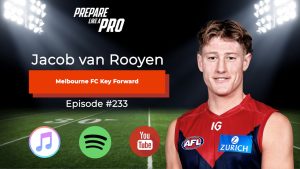
What’s the biggest thing holding aspiring practitioners back from the roles they want in High-Performance Sport careers? In this episode, we break down the most common mistakes early-career practitioners make, why mentorship doesn’t have to be formal to be valuable, and what genuine networking looks like versus the moves that come across as cringe. We also get into what actually gets a CV shortlisted, why a personal referral can outweigh a perfect resume, and how bringing real examples into an interview sets candidates apart from everyone else chasing a high-performance sport career.
High-Performance Sport Careers
Start Before You Feel Ready
Building a career in high-performance sport isn’t just about having the right qualifications. It’s about having the confidence to put yourself out there. Talk to practitioners, attend conferences, join conversations, and ask thoughtful questions. You don’t need to know everything before you start building relationships. In fact, curiosity and a willingness to learn can be one of your greatest strengths.
Build Genuine Relationships
Networking works best when it feels human. Instead of jumping straight to asking someone for a job, a favour, or a coffee chat, focus first on creating a genuine connection. Show interest in their work, share ideas, and look for ways to contribute. Glasp makes a similar point: effective networking is about authentic, long-term relationships, not transactions.
Learn From the People Around You
Mentorship can be much simpler than people think. You don’t necessarily need a formal mentor or a paid programme. Sometimes the best learning comes from simply watching experienced practitioners work, asking questions, and understanding how they approach difficult situations. Mentorship, in whatever form it takes, can offer feedback, accountability, and perspective as you develop professionally.
Make Your Experience Stand Out
When an opportunity comes along, your CV matters, but relationships can make the real difference. A recommendation from someone who knows your work and is trusted by the hiring panel can help you stand out. But getting shortlisted is only the first step. Being able to clearly explain what you’ve actually done is what separates you from another candidate with similar qualifications.
Tell Stories, Not Just Answers
In interviews, avoid simply explaining what you would do. Instead, bring your experience to life. Talk about a challenging athlete, a difficult performance problem, or a moment where communication really mattered. Explain what happened, what you did, why you made that decision, and what you learned. In the end, your experiences tell people far more about your readiness than any list of qualifications ever could.
Highlights of the episode:
– The number one mistake holding back aspiring practitioners
– Why mentorship doesn’t need to be formal to work
– The cringe networking move everyone should avoid
– Why a personal call beats a perfect CV every time
– Why real examples win you the interview
FAQ
Q1: What can mentorship do for your high-performance sports career?
A strong mentor can offer practical guidance, honest feedback, career advice, and valuable industry connections. Choosing someone whose experience aligns with your goals can help you navigate challenges and accelerate your professional growth.
Q2: Can networking really help you land a job in elite sport?
Absolutely. Building genuine relationships with coaches, mentors, peers, and industry professionals can uncover opportunities that aren’t publicly advertised. Conferences, workshops, professional organizations, and social platforms are all effective ways to expand your network and strengthen your reputation.
Q3: How can you make yourself stand out in a high-performance sports interview?
Research the club thoroughly, understand its culture and training philosophy, and prepare specific examples that demonstrate your practical experience and impact. It also helps to practice your responses and prepare thoughtful questions that show genuine interest in the organization and the role.
🎥 Watch full episode on YouTube
🔗 https://www.youtube.com/@preparelikeapro
📅 Book a FREE discovery calls for coaches
👉 https://calendly.com/plp2
Listen Now & Subscribe!
🎧 Available on Spotify, Apple Podcasts, and YouTube
📲 Follow us on Instagram: @preparelikeapro
💡 Learn more at preparelikeapro.com
Are you ready to enhance your coaching? Uncover the strategies to build a thriving online platform, liberating yourself from the time-for-money constraints while pursuing a career as an AFL S&C coach.
Book a FREE coaches discovery call
https://calendly.com/plp2/15min