Reflection and Ownership in Recovery
When an athlete experiences a recurrence of an injury, the first step is reflection. Injury Reoccurrence Recovery Strategies play a vital role in this process, as performance teams must take ownership, analyzing factors like over-programming or chaotic conditions that may have contributed to the setback. Incorporating Injury Reoccurrence Recovery Strategies into this honest assessment lays the foundation for creating effective solutions.
Collaborative Recovery Strategies
Clear, actionable recovery plans are essential to prevent injury reoccurrence. Whether it involves giving athletes mental space or modifying rehab protocols, every team member’s input counts. Collaboration enhances recovery and empowers athletes to stay engaged and committed.
Factors Behind Soft Tissue Injuries
Misdiagnosis, neglecting early healing phases, or improper risk assessments are common culprits behind soft tissue injury recurrence. Accurate diagnosis and timely adjustments are crucial to creating a recovery roadmap that ensures long-term resilience.
Tailored Return-to-Play Plans
Rehab decisions should consider each athlete’s unique capabilities. A risk framework can help determine whether an accelerated or conservative approach is appropriate. For athletes with strong training backgrounds, faster recoveries may be feasible. However, these decisions require careful evaluation and alignment with recovery goals.
Communication is Key
Consistent communication between coaches, medical teams, and athletes is non-negotiable. Weekly updates ensure everyone stays informed, enabling adjustments as needed. Additionally, empowering athletes to focus on skill development during recovery keeps them motivated and involved.
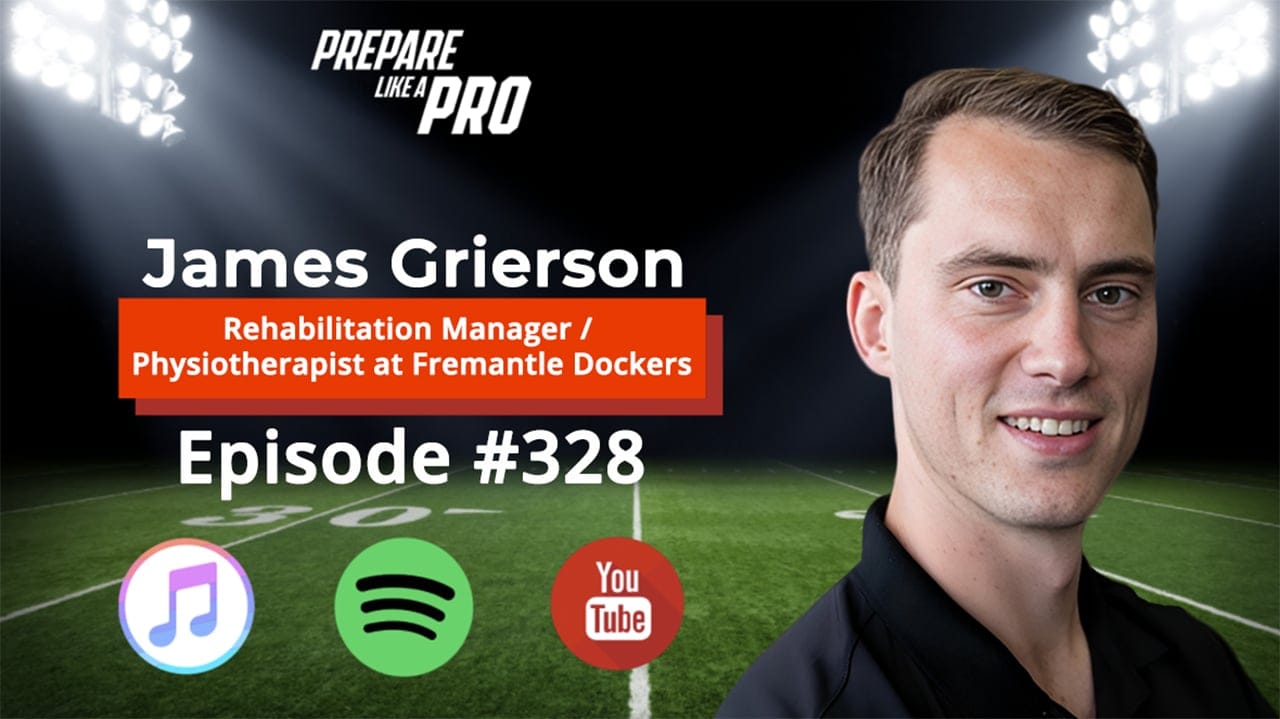
In this in-depth discussion, we explored the emotional, physical, and strategic complexities of managing reoccurrence injuries in athletes, especially focusing on soft tissue injuries. We delved into the preventative measures, the consequences of recurring injuries on both athletes and the team environment, and the rehabilitation process. James also discussed the critical aspects of diagnosis, treatment, communication, and collaborative decision-making among medical and coaching staff.
Highlights from the episode:
- Managing Injury Recurrences
- Taking Ownership in Injury Rehab
- Key Factors in Soft Tissue Injury Reoccurrence
- Accelerated vs. Conservative Rehab
- Effective Communication in Injury Management
Are you ready to enhance your coaching? Uncover the strategies to build a thriving online platform, liberating yourself from the time-for-money constraints while pursuing a career as an AFL S&C coach.
Book a FREE coaches discovery call