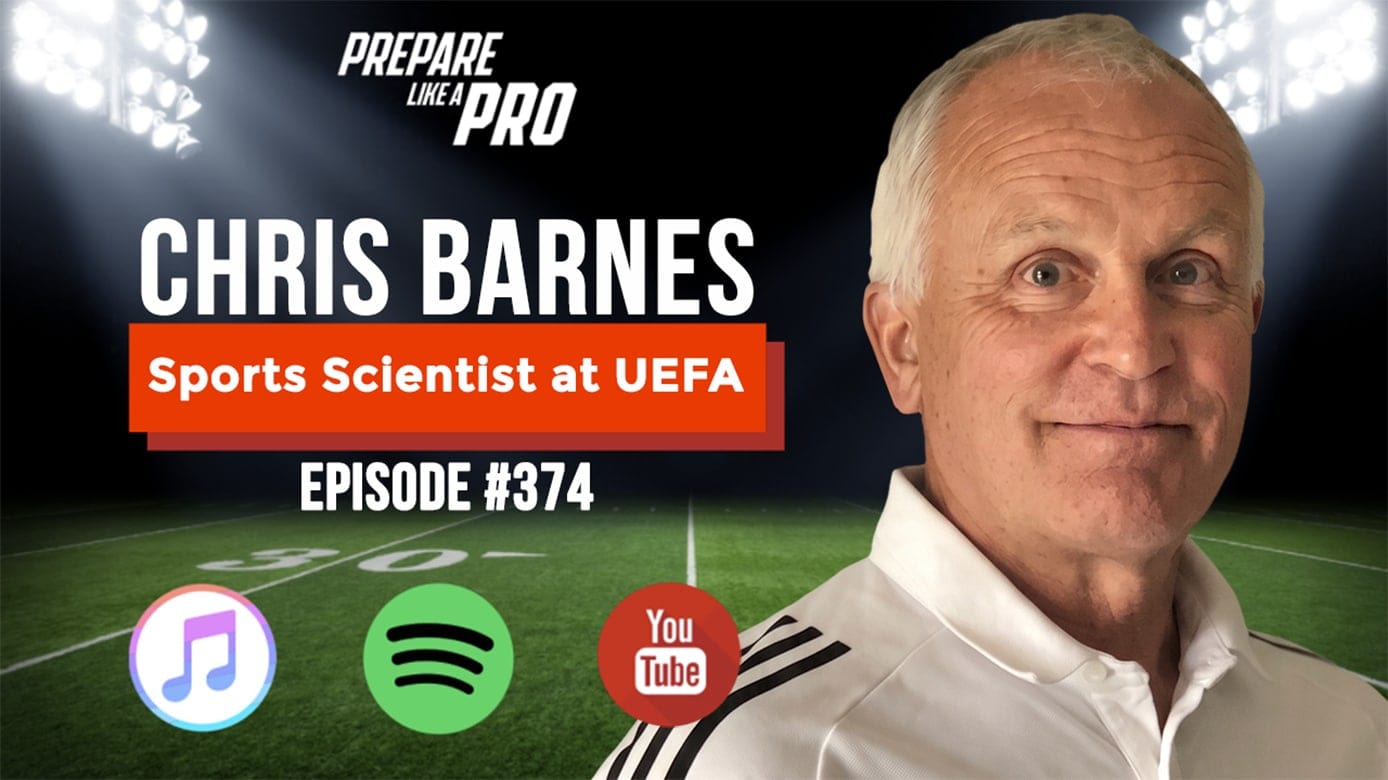
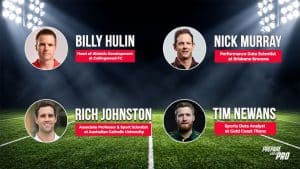
This episode breaks down the practical side of concussion risk by highlighting Functional Concussion Risk Factors, neck strength testing, and why confidence in contact can influence injuries just as much as raw physical strength. You’ll hear how isometric assessments are used across AFL programs, how Functional Concussion Risk Factors shape real-world tackle habits, why wrestle work builds durability you can’t get in the gym, and how a clear 14-day return-to-play system blends medical oversight with smart progression. Perfect for coaches and sport scientists who want an applied look at building safer, stronger athletes.
The Overlooked Drivers of Concussion Risk in Football
Why Neck Strength Matters
Para: Many athletes assume concussions happen only from big hits, yet research shows that limited neck strength can make players more vulnerable. When the neck cannot stabilize the head during sudden contact, the brain absorbs more force. Even if an athlete is naturally strong, improving strength in multiple directions helps create stability that carries over into real game scenarios.
Technique Shapes Safety
Para: Strength alone cannot fix poor habits. Players who repeatedly put their head in risky positions are far more likely to get concussed. This is why refining tackling mechanics, practicing smart body alignment, and adding controlled wrestle sessions are essential. These sessions build real-world resilience and teach the body to stay organized under pressure.
Confidence in Contact
Para: Athletes who are hesitant in collisions often find themselves in awkward, unsafe positions. Confidence plays a larger role than most people realize. Gradual exposure to contact work, combined with gym-based strength training, helps players trust their bodies. As confidence grows, decision-making becomes clearer and reactions become safer.
A Smarter Return-to-Play Path
Para: After a concussion, rushing back too early can set players back. A structured progression works best. First, athletes rest completely. Next, light aerobic work begins, followed by easy running, then skill drills and controlled agility. This step-by-step method ensures they stay symptom free while gradually rebuilding intensity.
Nutrition That Supports Healing
Para: Finally, nutrition acts as a quiet but powerful ally. Omega-3s, magnesium, creatine, turmeric or curcumin, and melatonin help reduce inflammation, support brain repair, and improve sleep. When paired with a structured recovery plan, these nutrients help the brain bounce back more efficiently.
Highlights from the episode:
– Why neck strength ratios may influence concussion risk
– How tackle technique and developing neck strength reduce concussion risk
– Why anxious athletes may be more vulnerable to concussion
– What the 14-day concussion protocol actually looks like
– The key supplements that support brain repair during recovery
Are you ready to enhance your game? Our program is designed to propel footballers, like yourself, towards more excellent fitness, speed, and strength, ensuring you’re fully prepared to dominate on the field!
Book a FREE footballer discovery call
at https://calendly.com/plp2/15min
🚀 Ready to level up your gaming skills in record time? Join our exclusive Game Speed Coaching Program today! With personalized coaching, you’ll unlock your full potential and dominate the competition.
🕒 But hurry we’re only accepting 10 participants for this round! Secure your spot now before it’s all gone!
Click here to join and reserve your spot: https://bit.ly/game-speed-coaching-program
Don’t miss this opportunity to take your speed to the next level. Act fast and start your journey towards becoming the fastest player on game day!