What are the real responsibilities behind the titles in elite sport performance? In this episode, we dive into What Strength Coaches Do by breaking down the four critical roles in professional strength and conditioning from developing athletes to managing return-to-play protocols. Whether you’re an aspiring coach or a seasoned sport scientist, understanding What Strength Coaches Do will help you gain actionable insights, communicate effectively with medical teams, and drive performance results.
What Strength Coaches Do
Defining Roles in Strength Coaching
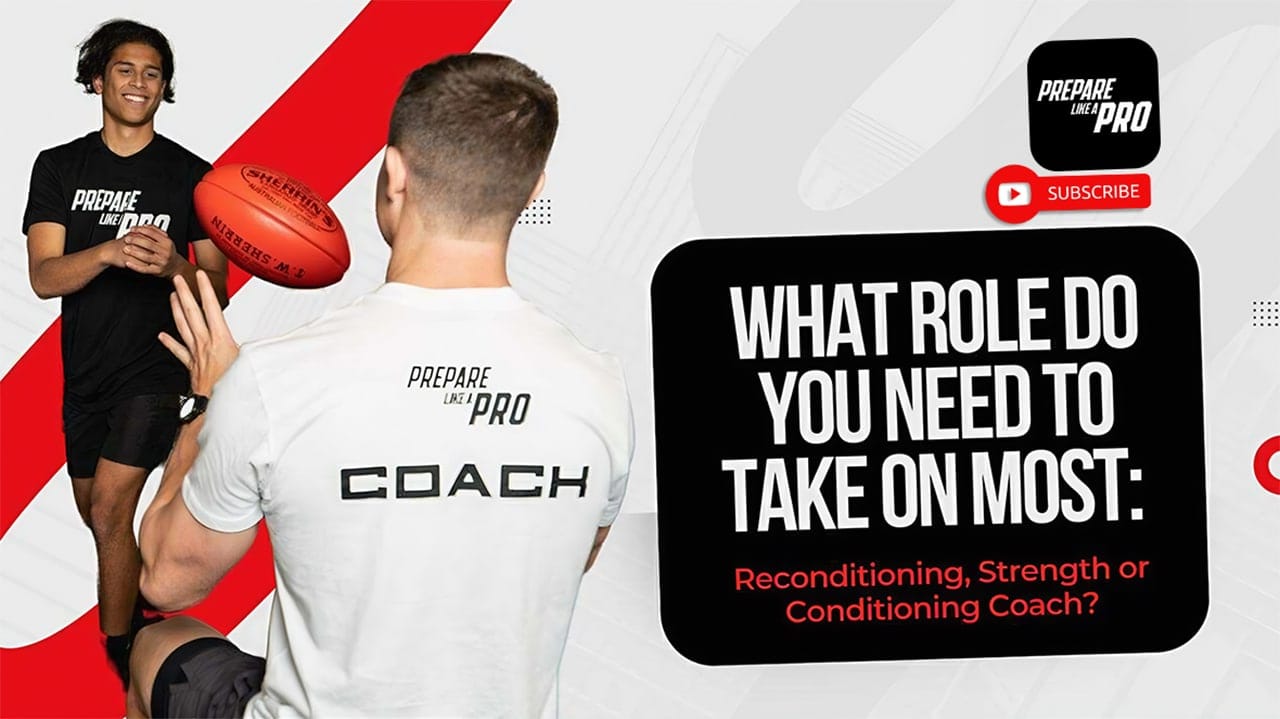
In elite team sport environments, understanding your role as a strength and conditioning coach is essential. Typically, there are four core positions: Assistant Conditioning Coach, Strength & Power Coach, Reconditioning Coach, and High-Performance Manager. Each plays a unique and vital part in athletic development and injury prevention.
Assistant Coach: Supporting Developing Athletes
The Assistant Strength Coach primarily works with younger or developing players. This role demands excellent communication, teaching skills, and the ability to simplify complex training concepts. Moreover, experience with high school athletes or personal training proves valuable due to the similar learning needs.
Strength & Power Coach: Driving Physical Performance
Focused on senior players, the Strength and Power Coach lead the gym-based training programs. This coach must be engaging, deliver briefings with energy, and create periodized plans that balance variation and consistency. Core pillars like max strength, reactive strength, and plyometrics are emphasized.
Reconditioning Coach: Bridging Rehab and Performance
Working closely with medical staff, the Reconditioning Specialist tailors individual return-to-play programs. Understanding injury language and collaborating with physiotherapists is key. As a result, experience in clinical or rehab settings significantly enhances this role.
Stay Focused on Your Current Role
It’s tempting to prepare for your next coaching move. However, putting energy into your current role and squad yields better results. Seek mentorship, solve current performance problems, and apply your knowledge practically—this is where growth happens.
Highlights of the episode:
✅ Four roles every elite sports team needs to succeed
✅ Why assistant S&C coaches need more than just knowledge
✅ The misunderstood skillset of reconditioning coaches
✅ What separates great strength & power coaches from the rest
✅ The biggest mistake new coaches make (and how to avoid it)
Are you ready to enhance your coaching? Uncover the strategies to build a thriving online platform, liberating yourself from the time-for-money constraints while pursuing a career as an AFL S&C coach.
Book a FREE coaches discovery call