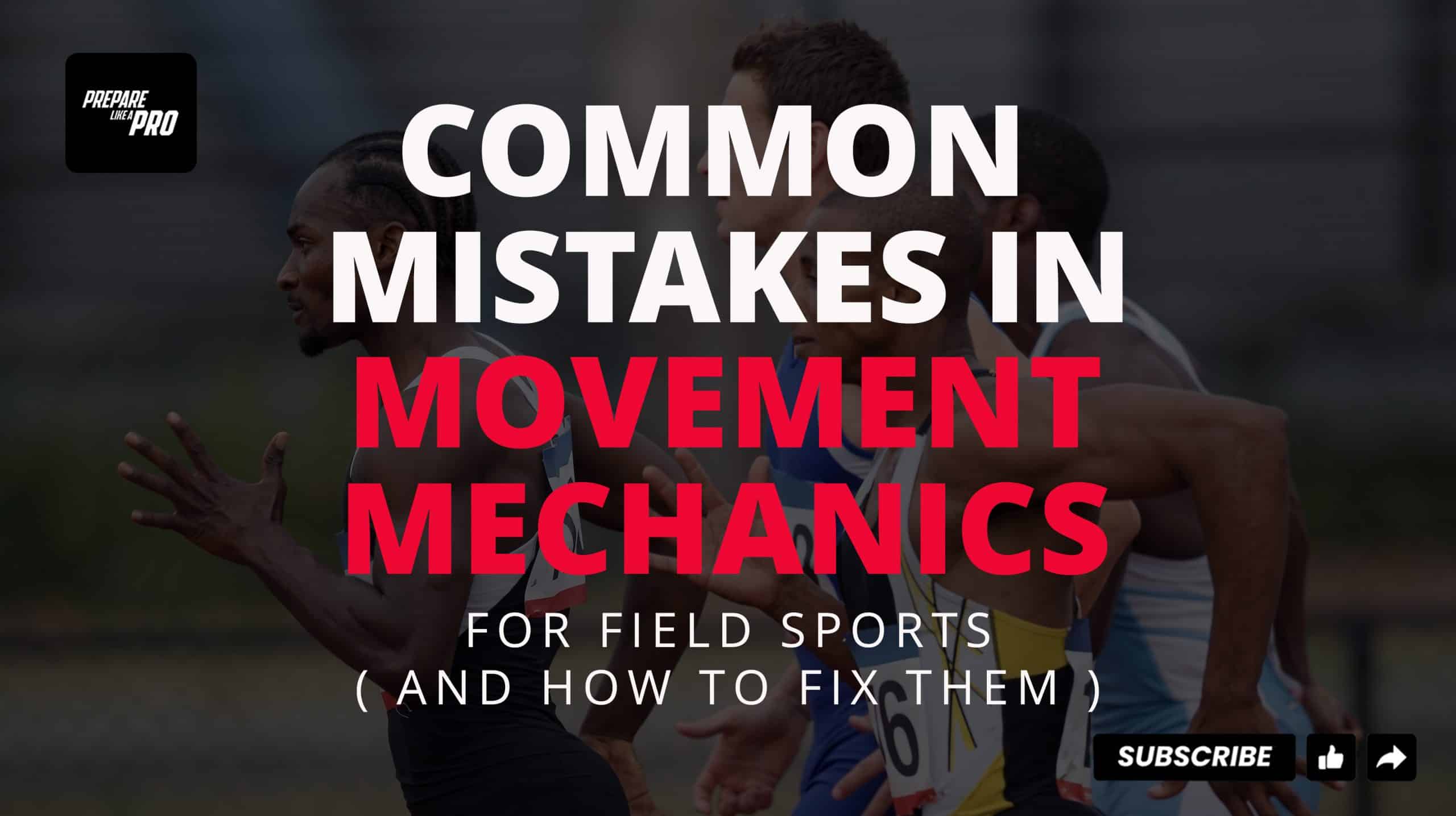
What happens to your body when you cut and decel thousands of times and your tissues start losing the battle? ACL Cutting Risk Factors sit at the heart of this conversation, as Tom explains the tissue fatigue model and why suboptimal mechanics repeated across hundreds of reps can quietly erode tolerance capacity. In this episode, ACL Cutting Risk Factors are unpacked through his non negotiables for screening, from isokinetic hamstring testing to trunk control and 3D motion capture. He also shares why he introduces cutting and decel elements early in ACL rehab, plus a surprising take on career advice borrowed from Cal Newport’s Be So Good They Can’t Ignore You.
ACL Cutting Risk Factors
Why knee loading matters
ACL Cutting Risk Factors are not just relevant for athletes returning from injury. They also matter for healthy players who want to improve their ability to cut, decelerate, and move with confidence. As speed increases, the load going through the knee rises as well. Therefore, coaches need to prepare athletes for those demands instead of simply trying to avoid them. In both rehab and performance settings, the real goal is to expose athletes to the right stress at the right time.
What coaches should look for
Movement quality is a major part of the puzzle. For example, repeated poor positions such as excessive knee valgus can increase stress around the knee, especially during high-speed changes of direction. However, injury risk is rarely caused by one moment alone. It often comes from a mismatch between tissue load and tissue capacity over time. That is why screening should include strength around the hamstrings, quadriceps, calves, and glutes, along with trunk control, mobility, and overall movement quality.
Why early progressions matter
In rehab, change of direction work does not always need to wait until the final stage. Instead, athletes can begin building the foundations earlier through controlled drills such as isometric holds, low level landing tasks, and position based cutting work. As a result, they gradually learn how to own the shapes and forces required for sport. This gives coaches a chance to develop confidence, control, and better movement habits before intensity increases.
The bigger coaching takeaway
Importantly, no single test tells the whole story. Video review, sound, athlete feedback, and practical observation all help coaches make better decisions. Likewise, the best practitioners focus on building valuable skills that improve both athlete outcomes and long-term coaching impact.
Highlights from the episode:
– Why Knee Valgus and Trunk Control Matter for Performance & Safety
– How Bad Movement Patterns Lead to Tissue Fatigue Over Time
– How to Screen Movement: 2D Analysis Explained
– A Better Rehab Philosophy: Starting with Deceleration
– The Book That Changed How We Think About Skill Cal Newport
🎥 Watch full episode on YouTube
🔗 https://www.youtube.com/@preparelikeapro
📅 Book a FREE discovery call for coaches
👉 https://calendly.com/plp2
Are you ready to enhance your coaching? Uncover the strategies to build a thriving online platform, liberating yourself from the time-for-money constraints while pursuing a career as an AFL S&C coach.
Book a FREE coaches discovery call
https://calendly.com/plp2/15min