Smarter Plyometric Training Tips
What is Plyometric Training?
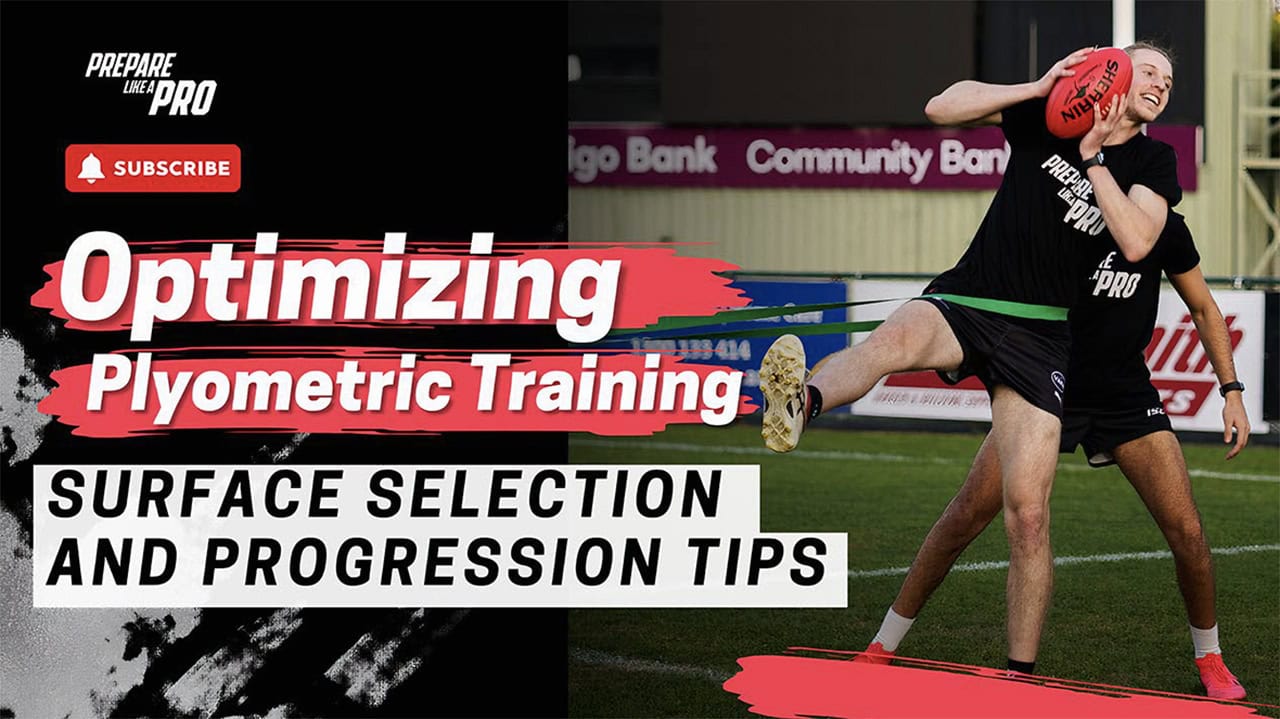
Smarter Plyometric Training Tips emphasize that plyometric training focuses on quick, explosive movements with very short ground contact times, typically under 0.25 seconds. Movements like drop jumps, where you react off the ground immediately after stepping off a box, are true plyometrics. If you’re looking for Smarter Plyometric Training Tips, it’s important to recognize that squat jumps, which start from a static position, are not considered pure plyos.
Building a Strong Foundation
Before introducing intense plyometric drills, athletes must first develop strong habits. Early training phases should focus on foot positioning, trunk control, and tissue resilience. As a result, athletes build the necessary stability and coordination for higher force activities later on.
Progression and Surface Selection
Progressing plyometric exercises should be a gradual process. Initially, athletes should master double-leg tasks before advancing to single-leg and high-stress activities like bounds and depth jumps. Additionally, surface selection plays a vital role. Soft mats, pools, or air tracks offer safer environments during rehabilitation or early phases before returning to hard ground or turf.
Choosing the Right Movements
Moreover, selecting exercises based on sport-specific demands is essential. Single-leg, staggered, or double-leg stances should mimic the athlete’s natural movements. Transitioning into fast ground contacts or directional forces—whether vertical, horizontal, or lateral—improves their sprinting, acceleration, and agility.
Importance of Testing
Finally, testing ensures athletes are ready to handle higher intensity. Drop jumps, side hop tests, and symmetry checks give coaches valuable insight into the athlete’s readiness, coordination, and movement quality. Consequently, smart testing prevents injuries and accelerates performance gains.
Plyometric training isn’t just about jumping higher it’s about precision, force, and smart progression. In this episode, we break down what real plyometrics are, how to prepare athletes the right way, and the critical mistakes most coaches overlook.
Discover how surface choices impact rehab, how to periodize explosive training even during injury recovery, and simple field tests you can use today to spot hidden weaknesses.
Whether you’re a sport scientist or a performance coach, this is packed with practical takeaways you can immediately apply.
Highlights of the episode:
- What real plyometrics look like
- The hidden phase that builds stronger athletes
- Why surface choice can make or break training
- Common plyometric mistakes coaches still make
- Simple jump tests that reveal hidden weaknesses
Are you ready to enhance your coaching? Uncover the strategies to build a thriving online platform, liberating yourself from the time-for-money constraints while pursuing a career as an AFL S&C coach.
Book a FREE coaches discovery call
https://calendly.com/plp2/15min