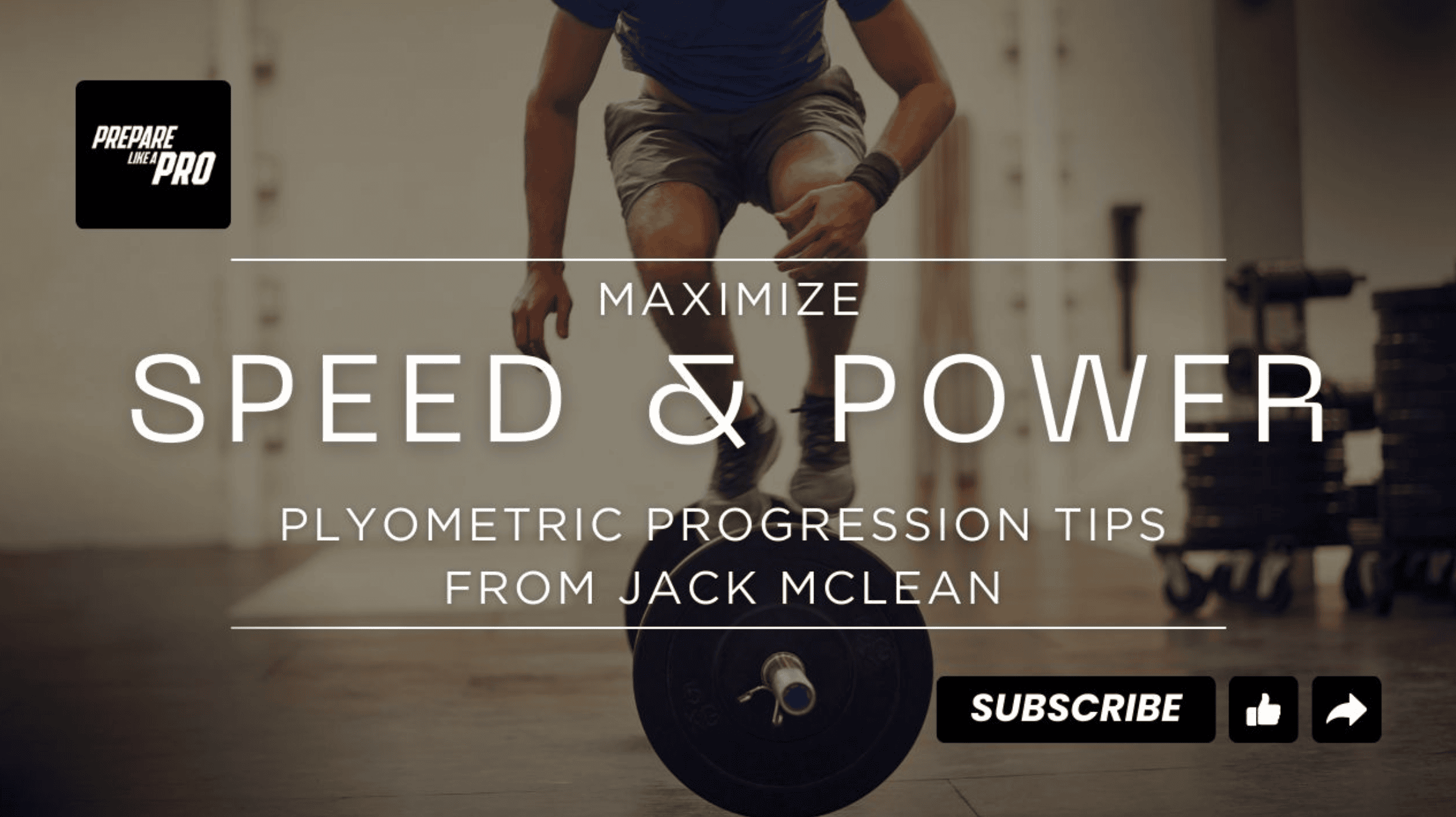
Are your athletes actually ready for the plyometrics you’re giving them? In this Plyometric Progression Training Guide, we break down what coaches should look for before progressing into high-intensity work. This Plyometric Progression Training Guide also highlights why following a program calendar without using your coach’s eye is one of the most common mistakes in the field, and how intent in every drill is the real driver of transfer to game speed. We also cover what to prioritise when time and equipment are limited.
Plyometric Progression Training Guide
Start With What You See
Firstly, great plyometric training begins with observation. As a coach, your eye is your most valuable tool. You need to assess coordination, movement quality, and previous exposure to jumping tasks. While some athletes may have experience with basic drills like pogo jumps or skips, others may still be developing control. Therefore, meeting the athlete where they are ensures safe and effective progression.
Align Training with Intent
Secondly, every plyometric session must have a clear purpose. For example, are you building long-term athletic development, preparing for a speed session, or supporting rehabilitation? Each goal requires a different approach. As a result, understanding the “why” behind the session helps you dose intensity and volume correctly while keeping the athlete on track.
Progress From Simple to Complex
Next, progression should follow a logical path. Start with vertical, double-leg movements such as pogo jumps. Then, gradually introduce horizontal and lateral elements to challenge coordination and force production. However, constraints like hurdles should be used carefully. While they guide beginners, they may limit advanced athletes who need more freedom to express power.
Earn the Right to Progress
In contrast to fast-tracked programs, patience is key. Athletes must demonstrate high-quality execution before moving forward. Moreover, avoid being influenced by social media trends that push intensity too soon. Instead, focus on consistent, repeatable performance and use tools like feedback or testing to confirm progress.
Transfer Through Intent and Simplicity
Finally, transfer to speed and performance depends on intent. Athletes must understand why they are performing each drill. In addition, keeping tools simple such as bands or basic jumps allows for adaptability. When intent is high and execution is sharp, plyometrics become a powerful bridge to game speed.
Highlights of the episode:
– What coaches miss before starting high-intensity plyos
– How to progress plyometrics across different athlete levels
– The mistake social media is pushing coaches toward
– The missing ingredient that transfers gym work to speed
– What to prioritise when time and equipment are limited
🎥 Watch full episode on YouTube
🔗 https://www.youtube.com/@preparelikeapro
📅 Book a FREE discovery calls for coaches
👉 https://calendly.com/plp2
Listen Now & Subscribe!
🎧 Available on Spotify, Apple Podcasts, and YouTube
📲 Follow us on Instagram: @preparelikeapro
💡 Learn more at preparelikeapro.com
Are you ready to enhance your coaching? Uncover the strategies to build a thriving online platform, liberating yourself from the time-for-money constraints while pursuing a career as an AFL S&C coach.
Book a FREE coaches discovery call
https://calendly.com/plp2/15min