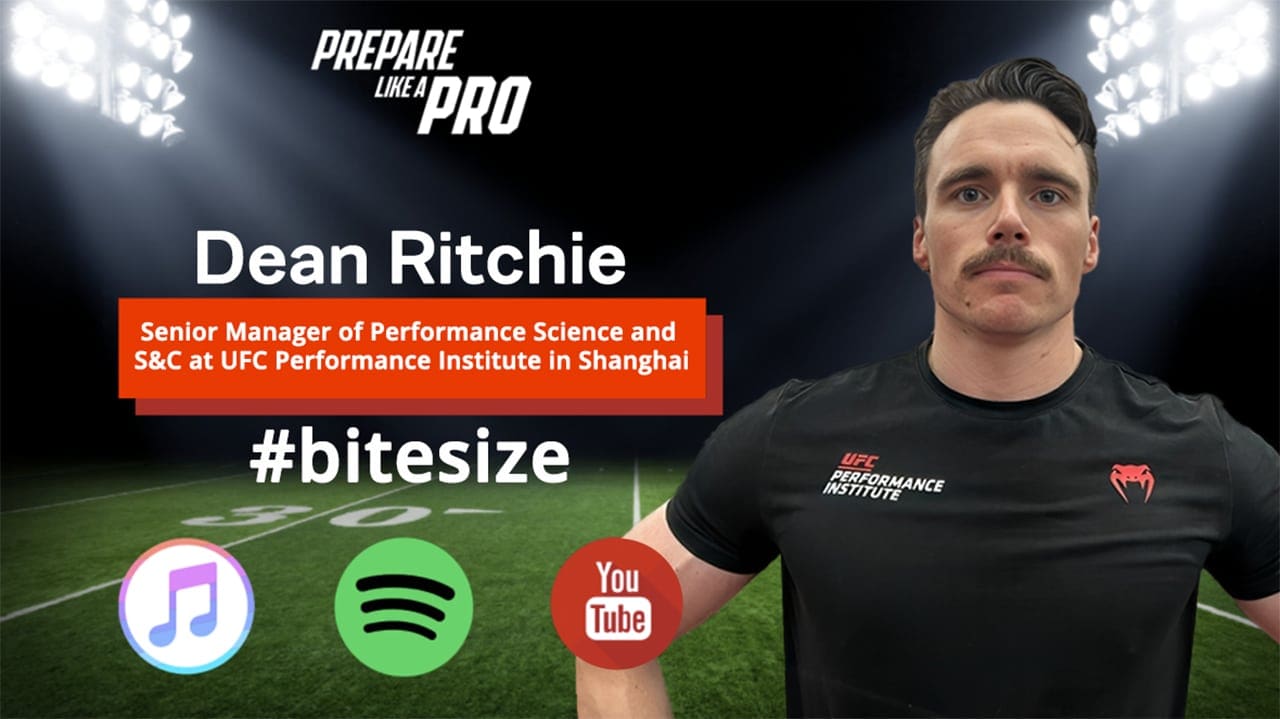
In this episode, we interview Dean Richie to explore Concurrent Training for Athletes in both combat and team sports. Dean shares his extensive background in strength and conditioning, sports science, and his career journey through roles at Western Bulldogs, Gold Coast Suns, Combat Australia, and the UFC Performance Institute in Shanghai. The discussion covers the challenges and strategies of Concurrent Training for Athletes, athlete development, the impact of training loads, post-activation potentiation, and the implementation of systematic models for optimizing athlete performance.
Why Concurrent Training Matters
Concurrent training for athletes the integration of endurance and resistance work is no longer optional for field-based sports like AFL. These athletes must develop strength, stamina, and skill concurrently to meet the demands of modern gameplay. This hybrid training approach ensures athletes don’t sacrifice power for endurance or vice versa.
Challenges Across Sports
While concurrent training is standard in AFL, sports like combat present unique challenges. Combat athletes face higher training loads due to live drills and multiplanar movements. This makes fatigue management more complex and highlights the need for careful planning, particularly when pairing high-speed work with strength sessions.
Avoiding Common Programming Errors
Coaches often overlook the impact of prior sessions, especially when high-speed running precedes gym work. This can lead to underperformance in resistance training due to accumulated fatigue. Therefore, programming must consider the entire day’s load, not just isolated sessions, to optimize athlete performance.
Using Priming Sessions to Boost Performance
A day-before priming session can prepare the body and nervous system for game day. Light movements like hang cleans or band squats create a post-activation potentiation effect. While not universally used, many elite teams have adopted priming as a staple for improving athlete readiness.
Personalised Programming with Athlete Profiling
At the UFC, Dean Ritchie uses a T1 diagnostic approach to evaluate strength and power characteristics. Athletes are profiled as Elephant (strong), Tiger (balanced), or Antelope (fast). This level of individualisation enhances training effectiveness and is easily adaptable for AFL.
Highlights from the episode:
✅ Why every athlete needs concurrent training
✅ Why combat athletes train differently than AFL players
✅ The biggest mistake coaches make with athlete fatigue
✅ Does priming really boost game-day performance?
✅ Antelopes, tigers, and elephant’s athlete profiles
Are you ready to enhance your coaching? Uncover the strategies to build a thriving online platform, liberating yourself from the time-for-money constraints while pursuing a career as an AFL S&C coach.
Book a FREE coaches discovery call