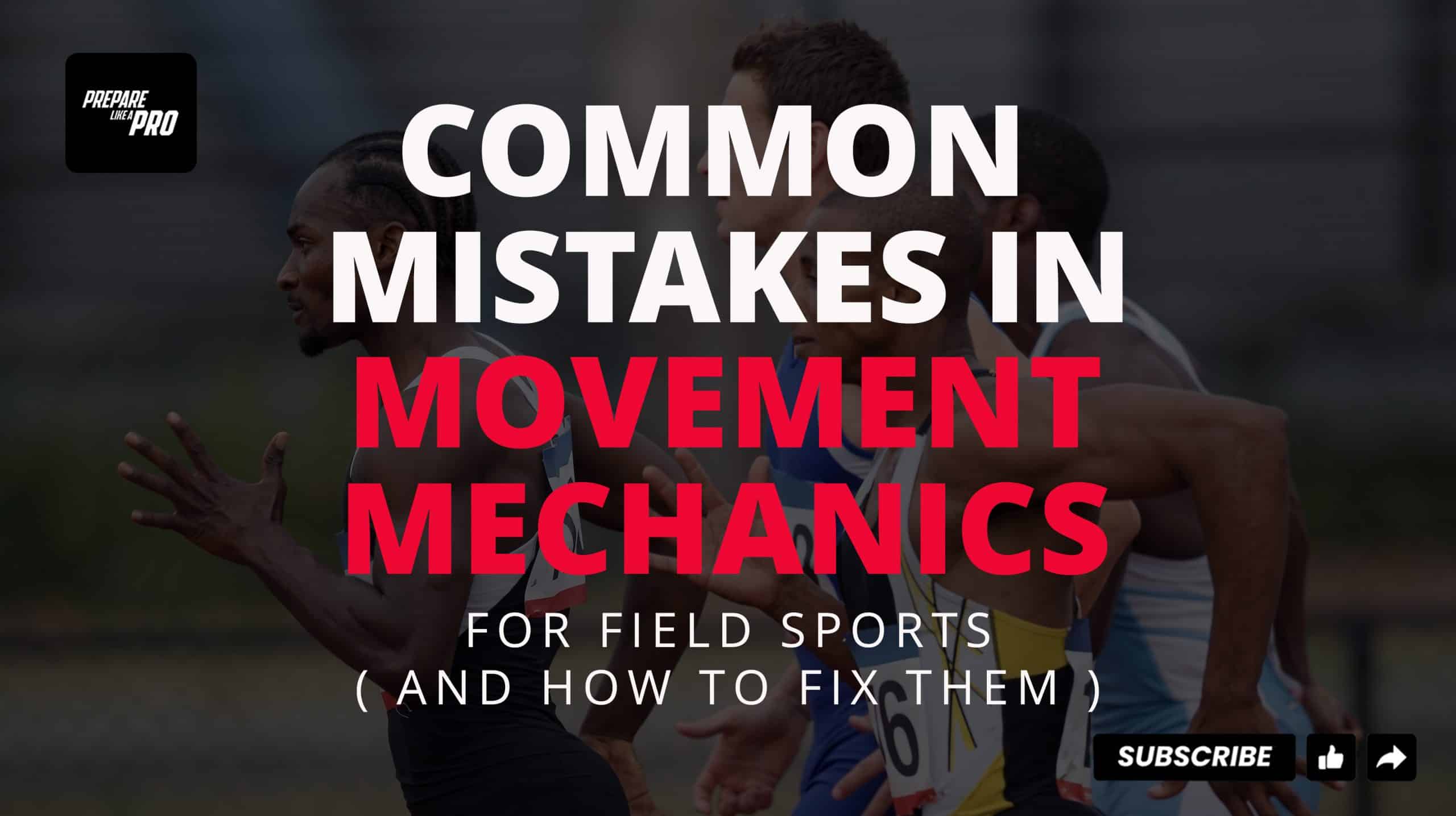
What if everything you believed about ACL rehab was framed the wrong way from the start? This episode explores the ACL Reconditioning Performance Model, shifting the focus from traditional recovery to a more athletic, performance-driven approach. By applying the ACL Reconditioning Performance Model, it highlights how reconditioning should be built around functional milestones, work capacity, and coordination, not just injury avoidance. From aligning medical, physical, and coaching staff to using gymnastics centres as a powerful rehab tool, the discussion challenges outdated methods and reinforces the idea that injured athletes should still be trained like athletes.
ACL Reconditioning Performance Model
Rethinking the Rehab Mindset
When approaching ACL recovery, it is essential to shift from a traditional rehab mindset to a performance-driven reconditioning model. Instead of treating athletes as injured patients, we must view them as performers rebuilding their capacity. As a result, the focus becomes restoring movement quality, confidence, and athletic identity rather than simply completing rehab protocols.
Progression Beyond Timelines
However, recovery should not be dictated by arbitrary timelines. Instead, athletes must progress through clearly defined performance milestones. This approach ensures that each phase is earned through demonstrated capability. Consequently, alignment between medical staff, coaches, and athletes improves, creating a unified direction toward return to play.
Movement Quality Over Metrics
Moreover, relying solely on outcome-based tests like hop distance can be misleading. What truly matters is how the athlete moves. For example, proper landing mechanics, joint positioning, and force absorption are critical. Therefore, prioritizing movement quality reduces reinjury risk and builds long term resilience.
Building True Work Capacity
In addition, developing real work capacity is non-negotiable. Athletes must be prepared for the demands of their sport, not just cleared for participation. This means training based on individual needs, positional requirements, and sport intensity. Over time, this approach creates robust, adaptable athletes.
Restoring Confidence Through Movement
Finally, coordination and movement skill training play a vital role. After periods of inactivity, athletes often lose confidence in their bodies. By incorporating elements like gymnastics and controlled gameplay, athletes regain trust, control, and enjoyment. Ultimately, this completes the transition from recovery to performance.
🔑Highlights from the episode:
– Why reconditioning beats rehab as a framework
– How the functional milestone approach gets staff aligned
– What triple hop strategy reveals that distance never will
– Why work capacity matters more than minimum dose
– How data should inform your decisions, not govern them
🎥 Watch full episode on YouTube
🔗 https://www.youtube.com/@preparelikeapro
📅 Book a FREE discovery call for coaches
👉 https://calendly.com/plp2
Are you ready to enhance your coaching? Uncover the strategies to build a thriving online platform, liberating yourself from the time-for-money constraints while pursuing a career as an AFL S&C coach.
Book a FREE coaches discovery call
https://calendly.com/plp2/15min