Understanding the Rehabilitation Phases
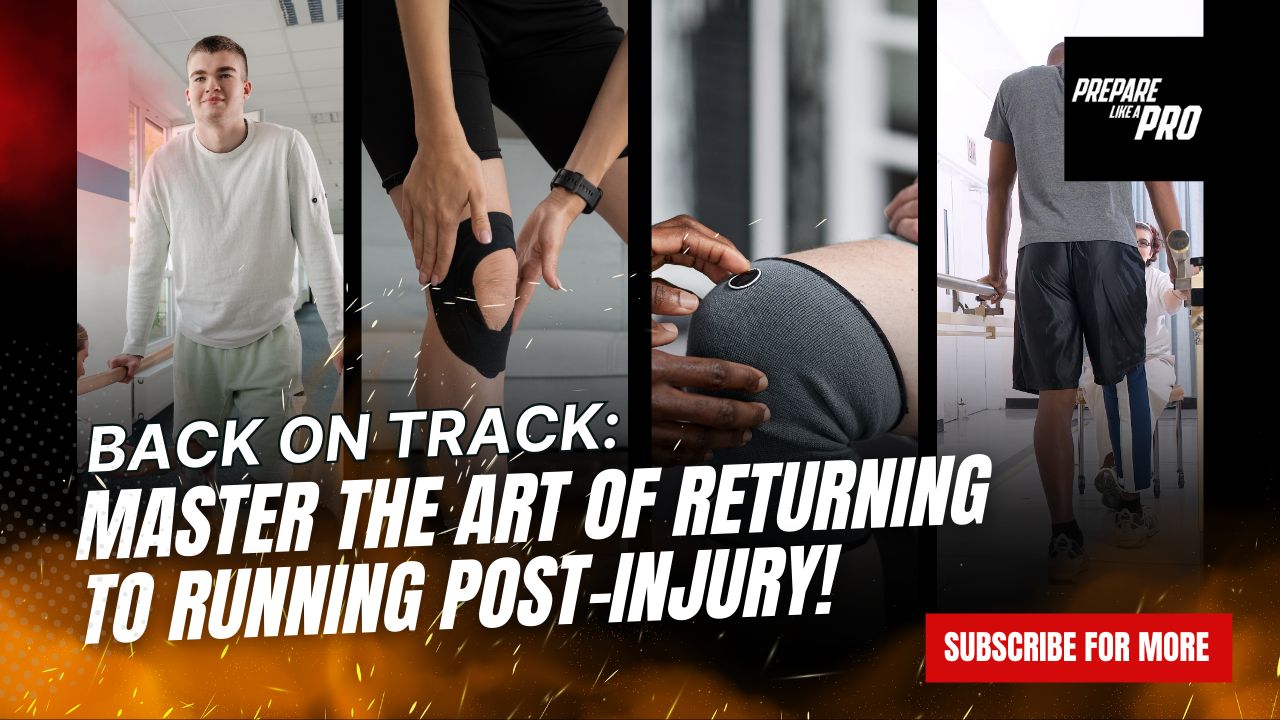
Rehabilitation after an injury requires a structured and strategic approach, often guided by the Phases of Post-Injury Running. This process involves progressing through distinct Phases of Post-Injury Running—restoration, reload, reconditioning, and performance. Each step ensures athletes regain mobility, rebuild strength, and transition smoothly to high-intensity activities.
Importance of Strength Markers
In the reload phase, focusing on specific strength markers is essential. For example, a shoulder injury might require modified bench press exercises to restore upper-body strength. Strength benchmarks tailored to the injury are critical for ensuring safe progress.
Reconditioning to Meet Game Demands
Once strength is re-established, reconditioning prepares the body for sport-specific demands. Athletes are exposed to movements and loads similar to their game-day requirements. Transitioning from preseason to in-season load management ensures a smooth return to performance.
Choosing the Right Recovery Model
Recovery approaches vary between the medical and performance models. The medical model, ideal for remote settings, progresses cautiously, while the performance model suits environments with daily athlete monitoring. The time of year, such as preseason or off-season, also influences the recovery pace.
Effective Communication and Pain Awareness
Transitioning to a “crack on/respect it/danger” pain scale simplifies athlete communication. This model provides clarity, helping athletes understand when to adapt or halt activities. Consistent communication across rehab teams fosters trust and alignment in recovery plans.
In this episode, we discuss the best practices for AFL footballers of all levels to return to running after an injury. We break down the recovery phases, including restoration, reloading, reconditioning, and performance. We also explore the importance of communication between athletes and their support teams and offer mental strategies to help athletes stay motivated. Whether you’re a community, state, professional player, or practitioner looking to learn more, this episode provides valuable insights for safely transitioning back to performance.
Highlights of the episode:
- Key Markers for Phases of Recovery
- Reconditioning Phase
- Performance Phase
- When to Use Accelerated vs. Conservative Models
- Using Awareness and Danger vs. Pain Scales
Are you ready to enhance your game? Our program is designed to propel footballers, like yourself, towards greater fitness, speed, and strength, ensuring you’re fully prepared to dominate on the field!
Book a FREE footballer discovery call
https://calendly.com/plp2/15min
🚀 Ready to level up your gaming skills in record time? Join our exclusive Game Speed Coaching Program today! With personalized coaching, you’ll unlock your full potential and dominate the competition.
🕒 But hurry – we’re only accepting 10 participants for this round! Secure your spot now before they’re all gone!
Click here to join and reserve your spot: https://bit.ly/game-speed-coaching-program
Don’t miss this opportunity to take your speed to the next level. Act fast and start your journey towards becoming the fastest player on game day!