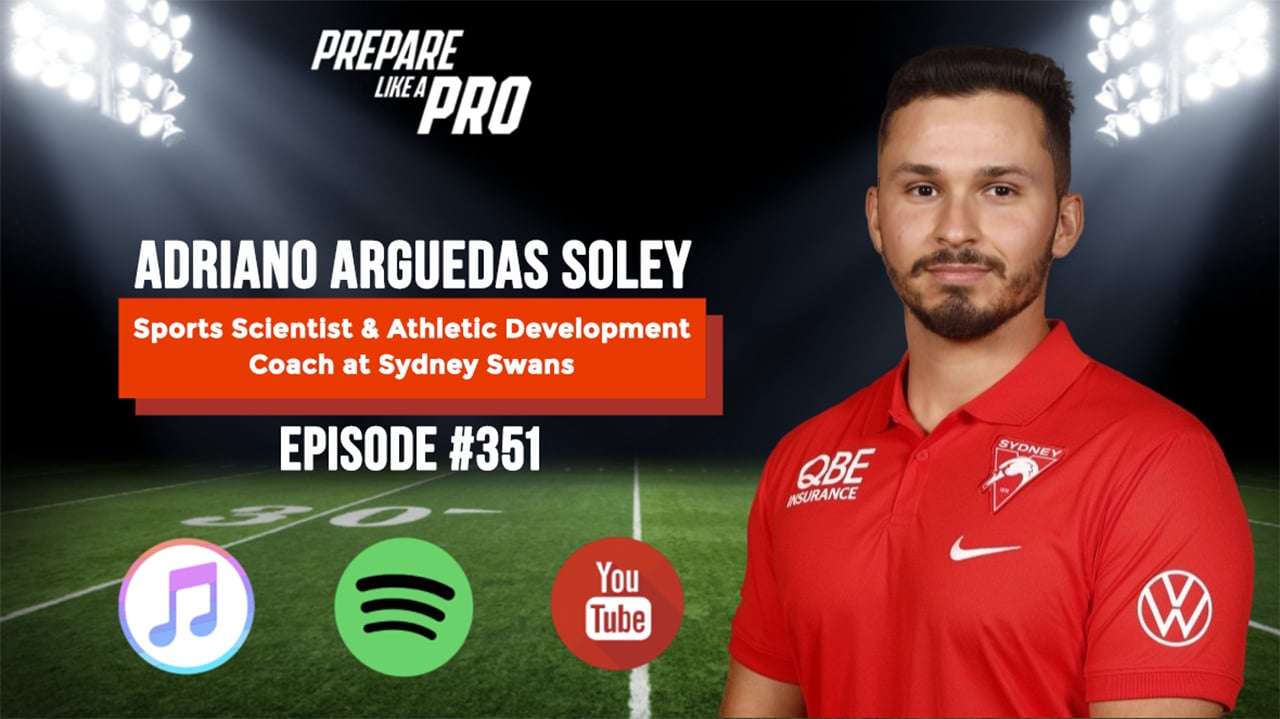
In this episode, Jack McLean sits down with Adriano Arguedas Soley, a performance scientist and PhD researcher, to explore how Submaximal Testing Methodology is reshaping Return to Play (RTP) protocols in elite sport, particularly for AFL coaches, physios, and athletes.
By applying Submaximal Testing Methodology, Adriano highlights how coaches and performance staff can gain deeper insights into athlete readiness without overloading the body during recovery.
Adriano shares insights from his PhD on non-invasive monitoring, discusses the cardiovascular and neuromuscular responses tracked through submax testing, and breaks down practical tools that can help high-performance teams make smarter, safer RTP decisions.
Whether you’re a sports scientist, S&C coach, or athlete, this episode is packed with real-world strategies, research-backed methods, and high-performance insights you can apply immediately.
Submaximal Testing Methodology
Smarter Return-to-Play with Submaximal Testing
Submaximal testing offers a simple yet powerful way to understand how an athlete’s body adapts to training. Instead of pushing to exhaustion, this method focuses on how efficiently the body responds under controlled, repeatable conditions. By analyzing heart rate during steady submaximal runs, coaches can track fitness progress and recovery without disrupting training flow.
Why the 3-Minute Test Works
A practical example is the 3-minute run at 13 km/h, where the heart rate is recorded in the final 30 seconds. This short and consistent format provides reliable physiological data over time. Since the test is non-invasive and easy to integrate, it fits seamlessly into any training session, making it perfect for ongoing monitoring during preseason and in-season phases.
The Power of Consistency
Interestingly, the actual speed or distance doesn’t matter as much as consistency. Keeping the same setup each session ensures that any changes in heart rate truly reflect progress or fatigue, rather than random variation. As a rule of thumb, a 3–5% drop-in submaximal heart rate signals a genuine improvement in efficiency and aerobic capacity.
Turning Data into Decisions
Coaches can use this data to adjust training loads, spot early signs of fatigue, and make confident return-to-play decisions. Since heart rate offers objective feedback, it eliminates much of the guesswork and allows performance staff to base their choices on clear physiological evidence rather than subjective perception.
Making It Invisible
One of the smartest approaches is to make testing invisible. Telling athletes, they’re just “going for a jog around the oval” helps remove performance bias. Since heart rate can’t be faked, the results remain honest, giving coaches clear insights into an athlete’s readiness to train or return to play safely.
Highlights from the episode:
– What is submaximal testing
– How Adriano’s 3-minute, 13k/h protocol simplifies monitoring
– Pete Cavanagh’s research about Kenyan runners
– How sub maximal testing can measure improvement in performance
– Tips for coaches to implement an accurate submaximal test
Are you ready to enhance your coaching? Uncover the strategies to build a thriving online platform, liberating yourself from the time-for-money constraints while pursuing a career as an AFL S&C coach.
Book a FREE coaches discovery call
https://calendly.com/plp2/15min